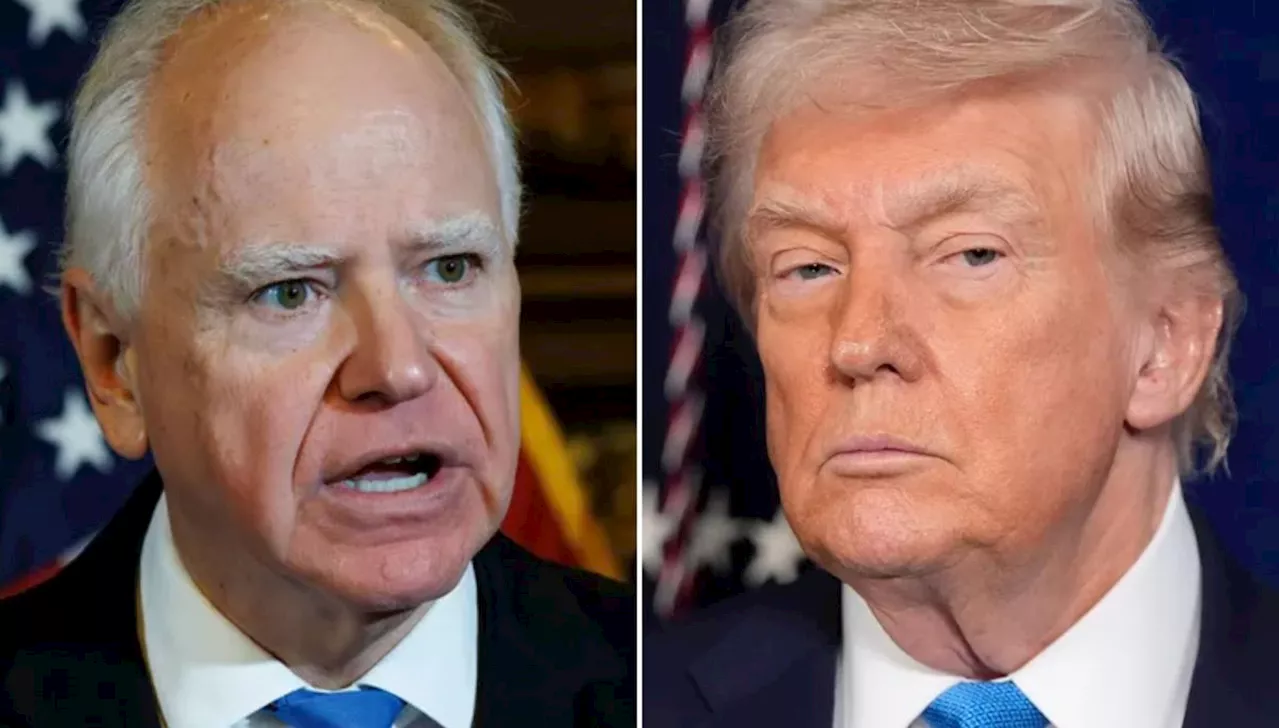
Minnesota Governor Tim Walz is under federal scrutiny as investigations unfold regarding alleged mismanagement of fraud cases within the state’s social services programs. The focus intensified following remarks from former Trump administration official Leavitt, who indicated that the federal government is considering holding Walz accountable for his actions, which may include potential criminal liability.
During a recent appearance on Fox News, Leavitt claimed that President Donald Trump perceives Governor Walz as being criminally liable for the alleged fraud mishandling. Her comments have triggered significant political debate, raising concerns about the implications of these investigations for Walz and his administration.
The situation has escalated as multiple federal agencies, including the Department of Homeland Security, deploy up to 2,000 Immigration and Customs Enforcement (ICE) officers to Minneapolis. This substantial mobilization signals a serious commitment from the federal government to address the suspected fraud within Minnesota’s social services programs. Additionally, the Department of Health and Human Services is actively participating in the inquiry, highlighting the coordinated efforts among federal entities.
These investigations are focused on the handling of fraud claims by state officials and may extend to other individuals, including members of Congress. Notably, Leavitt also directed criticism at Representative Ilhan Omar during her Fox News segment, alleging her involvement in fraudulent activities. Such accusations contribute to the heightened political tensions surrounding the ongoing investigations.
The allegations involve the misappropriation of approximately $9 billion in taxpayer funds related to various social services programs, with 98 individuals already facing charges. The involvement of the Justice Department underscores the seriousness of the claims, as they seek to determine whether criminal charges against Walz or others are warranted.
As these developments unfold, the political landscape remains fraught with tension. Leavitt’s remarks have not only criticized Walz’s policies but also emphasized their impact on Minnesota residents, further complicating the narrative. The federal government’s actions, particularly the deployment of significant resources to Minneapolis, signal an urgent and prioritized investigation into the alleged fraud.
While the investigations are still in progress, the implications for Governor Walz and his administration are profound. The allegations are serious, and the public’s scrutiny will likely intensify as more details emerge. As the situation develops, the findings of these investigations will be crucial in determining the legal and political futures of those involved.
In summary, the unfolding scenario demands careful examination and adherence to the legal process. The outcome of these investigations will not only affect the individuals under scrutiny but also resonate throughout Minnesota’s political landscape. The ongoing inquiry highlights the importance of transparency and accountability in government, especially concerning taxpayer funds.