American farmers are beginning to assess the financial support they can expect from President Donald Trump‘s recently announced aid package, valued at $12 billion. The U.S. Department of Agriculture (USDA) revealed on December 31, 2023, the details surrounding the next phase of its Farmer Bridge Assistance Program, which includes $11 billion in one-time payments intended to assist farmers facing economic hardship.
Under the newly outlined program, qualifying farmers will receive direct aid payments, with funds expected to be deposited into their bank accounts by February 28, 2024. Agriculture Secretary Brooke Rollins emphasized the importance of these payments in providing immediate financial relief to those affected by recent market fluctuations.
While the bulk of the aid focuses on the general farming community, the remaining $1 billion from the package is earmarked specifically for “specialty crops” and sugar growers. The USDA has indicated that the distribution timeline for these funds is still being finalized. Payments for this sector will depend on criteria such as economic need and the overall impact on market conditions.
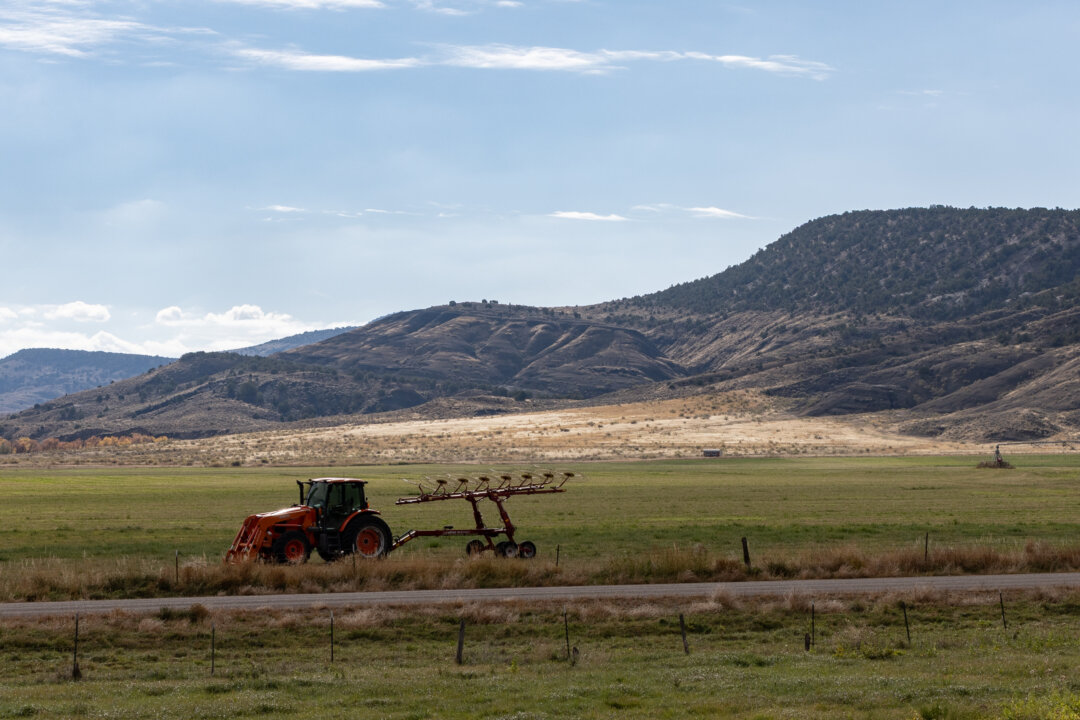
Farmers across the nation have been grappling with challenges that include fluctuating commodity prices and trade uncertainties. This aid package aims to stabilize incomes for those who have been hardest hit by these factors. The announcement of the aid comes at a critical time, as many producers are preparing for the upcoming planting season, and the financial support will be crucial in helping them maintain operations.
The USDA has outlined eligibility requirements for farmers seeking to benefit from this program, ensuring that those most in need can access the assistance quickly. As payments begin to roll out, many in the agricultural community are hopeful that this support will alleviate some of the pressures they face.
Overall, this initiative represents a significant investment in the agricultural sector, aimed at reinforcing the stability of U.S. farmers during a challenging economic climate.