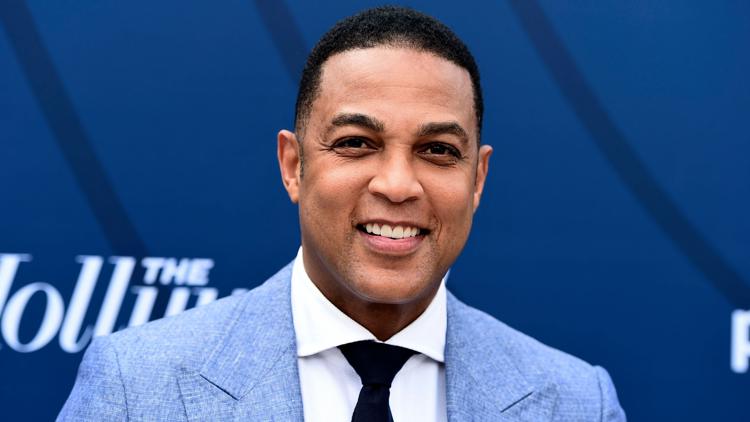
Journalist Don Lemon was arrested by federal agents after participating in a protest that disrupted a church service in Minnesota on January 18, 2025. The incident, which involved protesters opposing anti-immigration enforcement, heightened tensions between local residents and the federal government. Lemon’s attorney, Abbe Lowell, confirmed the arrest took place in Los Angeles, where Lemon was covering the Grammy Awards at the time.
The charges against Lemon remain unclear following a magistrate judge’s recent denial of initial prosecution efforts to formally charge him. According to Lowell, Lemon was acting solely as a journalist documenting the protest and has no affiliation with any activist organization.
“Don has been a journalist for 30 years, and his constitutionally protected work in Minneapolis was no different than what he has always done,” Lowell stated. He emphasized the importance of the First Amendment in protecting journalists, asserting that their role is to expose the truth and hold authorities accountable.
In connection with the protest, a prominent civil rights attorney and two other individuals were arrested last week. Prosecutors allege that they violated civil rights by disrupting the service at Cities Church in St. Paul, where a local official with the U.S. Immigration and Customs Enforcement serves as pastor. The situation reflects ongoing conflicts regarding immigration policies and their impact on local communities.
Lemon’s arrest has sparked discussion regarding media freedom and the role of journalists in contentious environments. His legal team has indicated plans to challenge any forthcoming charges, promising a vigorous defense in court. As the case unfolds, it raises significant questions about the boundaries of journalistic activity during protests and the implications for freedom of the press in the United States.
The ongoing legal proceedings will likely draw attention not only from media outlets but also from civil rights advocates who are closely monitoring the implications of such arrests on journalistic integrity and public expression.