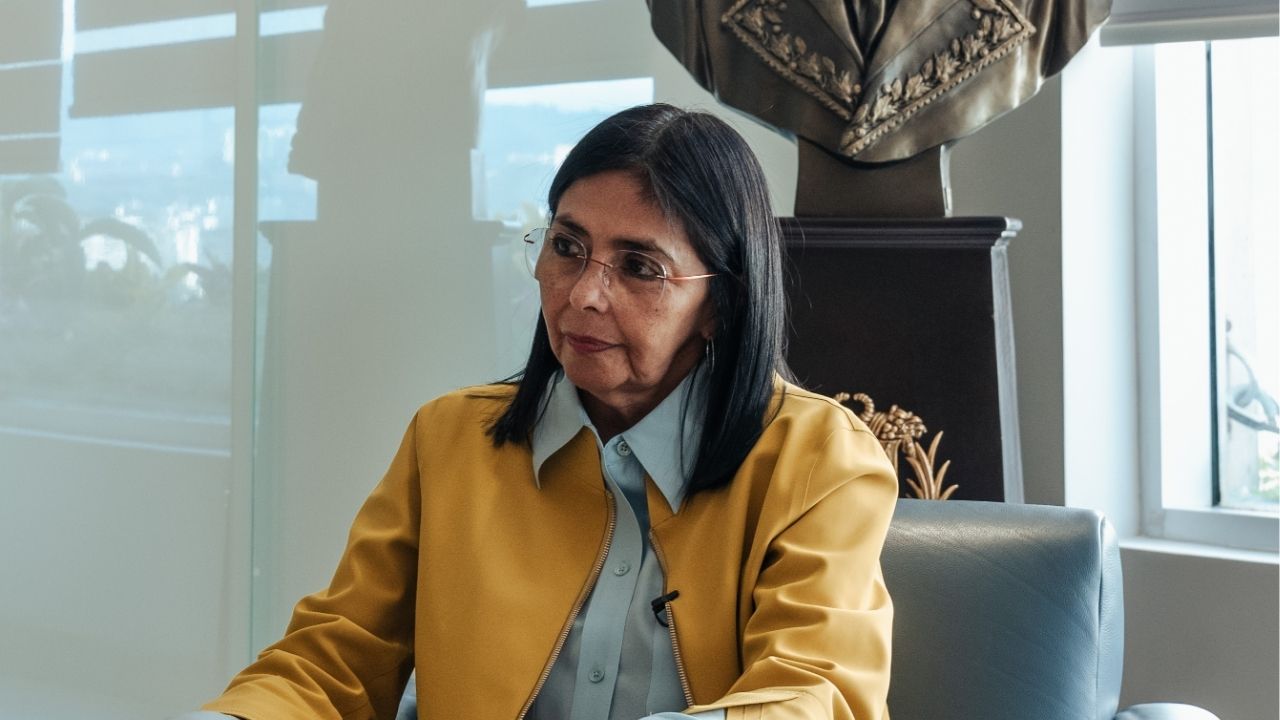
Delcy Rodríguez, a prominent political figure and ally of Nicolás Maduro, has been declared the interim leader of Venezuela following the recent capture of Maduro by U.S. forces in Caracas. The Venezuelan Supreme Court announced her appointment, placing Rodríguez in a precarious position as she navigates the expectations of the U.S. administration while addressing the skepticism of a public wary of foreign intervention.
Vladimir Padrino López, Venezuela’s defense minister, confirmed her new role on Sunday, which comes just a day after U.S. military actions destabilized the government. Rodríguez, 56, is a seasoned political operator with Marxist roots, having entered the political arena during Hugo Chávez’s presidency. Although she was not in Venezuela during the 2002 coup attempt against Chávez, she and her mother symbolically occupied the Venezuelan embassy in London to protest against the brief regime of Pedro Carmona Estanga.
Political Ascendancy and Economic Challenges
Rodríguez swiftly climbed the ranks of the Venezuelan government after Maduro succeeded Chávez in 2013. She served as the communication minister and later as the foreign affairs minister. Despite the ongoing economic crisis, she gained recognition for her ability to engage with Venezuela’s economic elites while guiding the country through turbulent times.
In the wake of the 2018 presidential election, she became vice president and took charge of one of Venezuela’s intelligence services. By 2020, she had further expanded her responsibilities to include overseeing the nation’s finances. Rodríguez’s economic strategies, which have shifted Venezuela’s economy toward a more market-oriented model, have garnered mixed reactions. Despite her efforts, Venezuela faces an alarming hyperinflation rate exceeding 100%.
Rodríguez has prioritized the protection of Venezuela’s crucial oil industry, which has attracted foreign investment and modestly increased production after significant declines in the 2010s. Her lineage also adds complexity; her father, Jorge Antonio Rodríguez, was a Marxist involved in the kidnapping of American businessman William Niehous, while her brother is closely allied with Maduro and serves as president of the National Assembly.
Challenges Ahead for Rodríguez
As interim leader, Rodríguez faces the daunting task of consolidating power while managing public discontent. Many Venezuelans view Maduro’s presidency as illegitimate, leading to a climate of distrust toward American interference. Rodríguez must also navigate her relationship with the Trump administration, which has made its support for her leadership contingent upon certain actions.
In a recent televised address, Rodríguez issued a strong warning to those who participated in Maduro’s ousting, stating that “history and justice will make them pay.” She characterized the U.S. action as a kidnapping of Maduro, reflecting the deep tensions between her government and Washington.
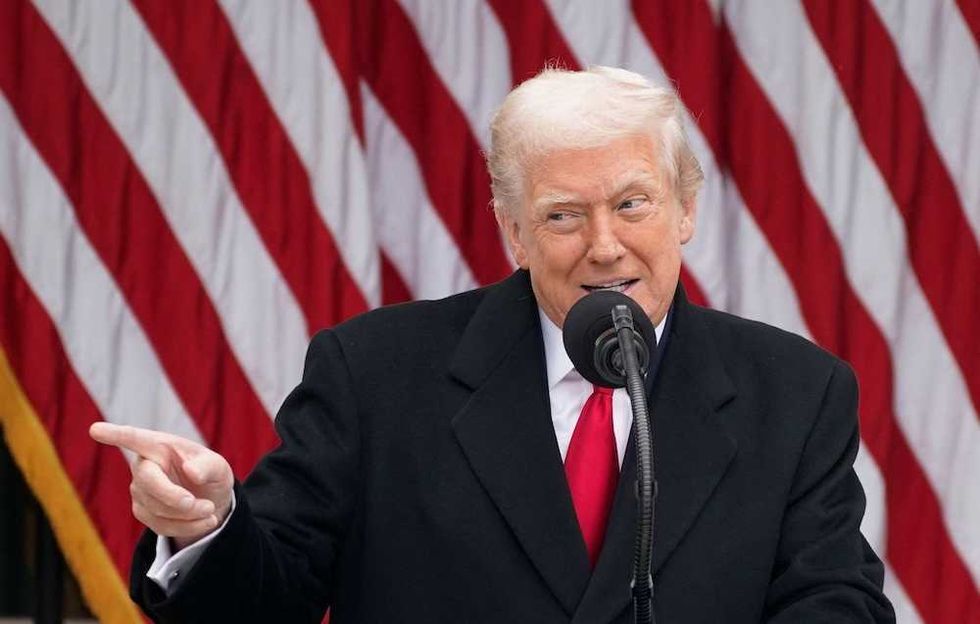
President Trump has warned Rodríguez that failing to adhere to U.S. expectations could lead to severe consequences. He remarked to The Atlantic, “If she doesn’t do what’s right, she is going to pay a very big price.” Despite this rhetoric, both Rodríguez and Trump have expressed a willingness for cooperation, suggesting a possible avenue for dialogue.
On social media, Rodríguez extended an invitation to the U.S. government for collaborative efforts focused on shared development and adherence to international law. How she will balance these competing pressures remains to be seen as she embarks on this challenging political path.