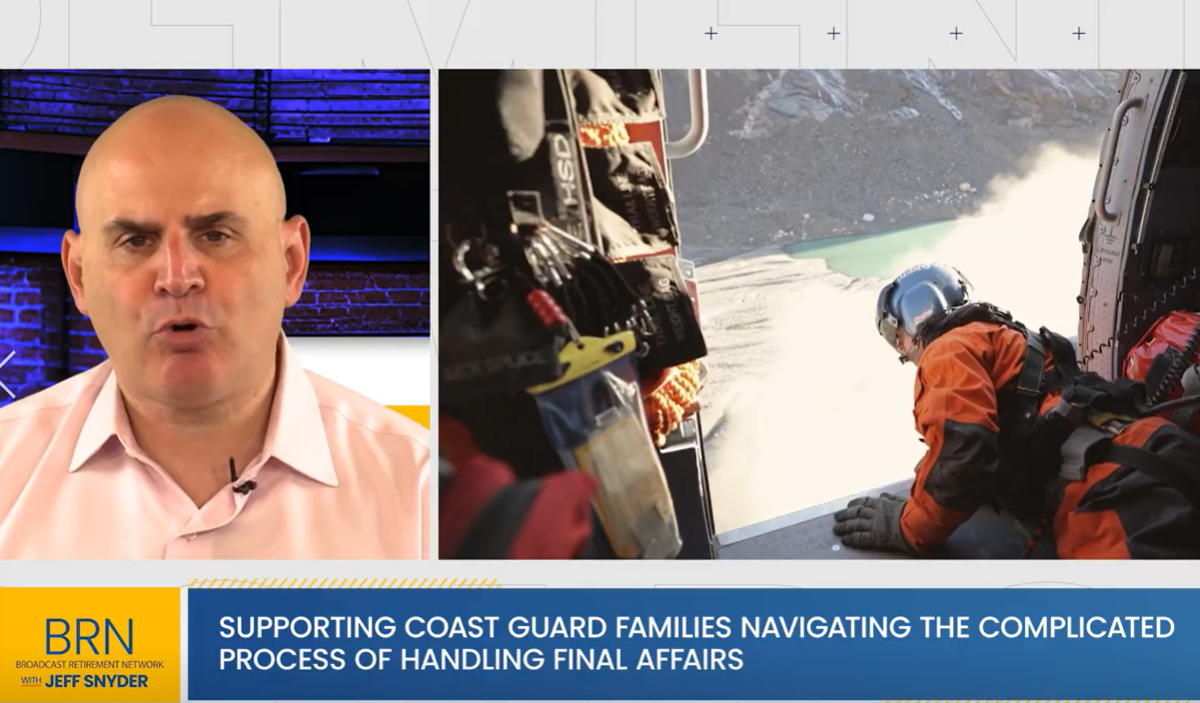
The U.S. Coast Guard is taking significant steps to assist families coping with the complexities of final affairs following the death of a service member. This initiative includes a newly developed handbook designed to provide guidance and resources for survivors, a move underscored by the emotional and logistical challenges faced by those left behind.
During a recent broadcast on the Broadcast Retirement Network, Robert C. Hinds, the U.S. Coast Guard Retiree Services Program Manager, emphasized the critical importance of estate planning for military personnel. He noted that financial readiness, including having a basic estate plan, is linked to the operational readiness of service members. “It’s been studied that financial readiness among our troops is directly correlated to their ability to perform their jobs effectively,” Hinds stated.
Hinds, who brings over 30 years of active duty experience with the Coast Guard, shared insights on how a solid estate plan can alleviate stress for service members while they are deployed. “Knowing everything is managed at home allows personnel to focus on their duties, ensuring both mission success and personal peace of mind,” he explained.
The creation of the handbook stems from a growing number of inquiries from retirees and their families who often find themselves overwhelmed after the loss of a loved one. Many survivors have expressed feelings of panic and confusion, stating, “I have no idea what to do.” In response, the Coast Guard National Retiree Council prioritized the development of this guide to better support the retiree community, which includes approximately 65,000 retirees, annuitants, and survivors.
This handbook is intended not as an official guide but as a resource that connects families with subject matter experts in estate planning, financial management, and legal matters. Hinds highlighted the importance of conveying a message of support to both active and retired Coast Guard members, underscoring the commitment to their welfare.
The handbook also provides information about available resources, including Coast Guard legal officers who assist with the creation of advanced medical directives, wills, and estate planning. Hinds reflected on his own experience, stating, “I waited too long to do some important estate planning myself,” indicating the value of this support for Coast Guard families.
As the Coast Guard aims to instill a culture of financial and estate planning, they are focusing on individuals at the accession points, such as basic training and the Coast Guard Academy, where new recruits typically enter service between the ages of 18 and 20. Hinds noted that establishing this awareness early on could significantly benefit service members as their lives and careers progress.
The Coast Guard’s efforts align with broader initiatives by the Department of Defense to enhance financial readiness among military personnel. Hinds pointed out that in his previous role managing enlisted assignments, he observed that financial challenges rarely hindered deployment readiness. He mentioned that a dedicated financial readiness office was established five years ago to ensure Coast Guard members maintain their financial health.
In conclusion, the Coast Guard’s proactive approach to supporting families navigating final affairs reflects a deep commitment to the well-being of its members and their loved ones. The handbook serves as a crucial tool in fostering resilience and preparedness among families during some of life’s most challenging moments.