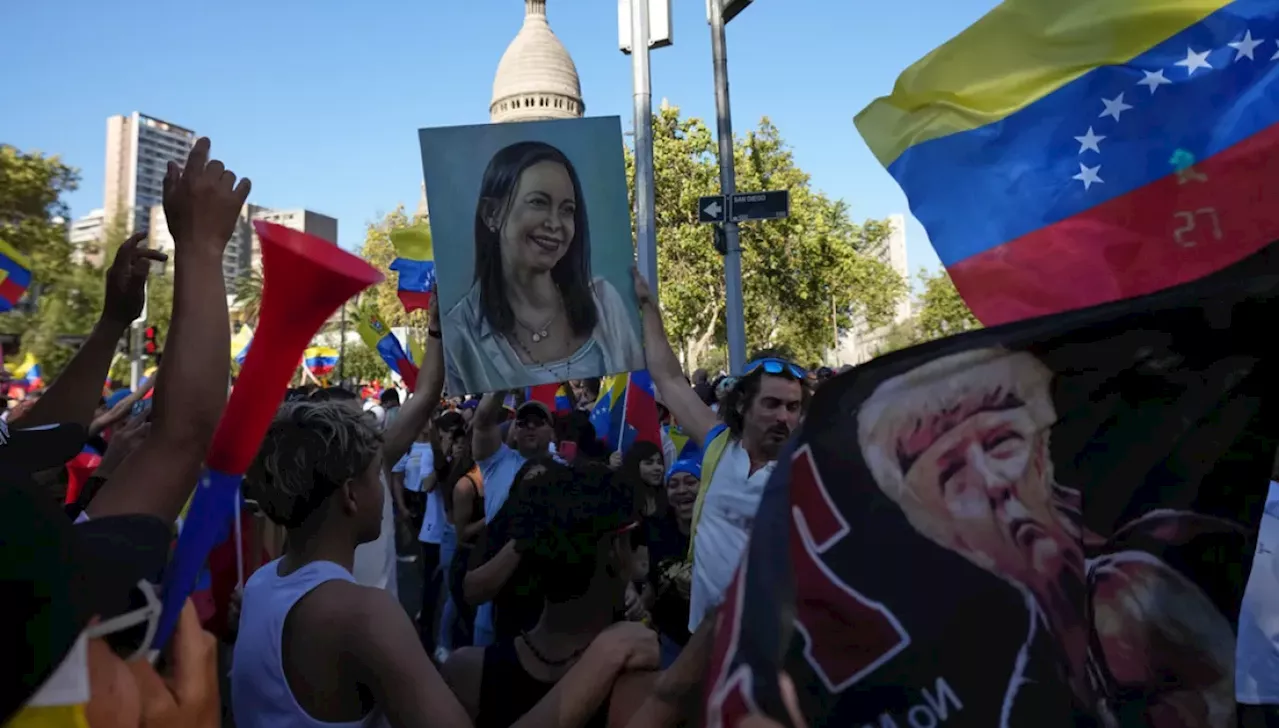
The situation in Venezuela remains fluid, with differing reports complicating the understanding of current events, according to Byron York of The Washington Examiner. York emphasized that it is premature to categorize any recent reporting as definitively true or false, particularly following the recent violence involving former Venezuelan leader Nicolas Maduro and his wife, Cilia Flores. The unrest has been exacerbated by the takeover of acting Venezuelan President Delcy Rodriguez, leading to a complex web of conflicting narratives about the country’s conditions.
York stated, “I don’t know what’s happening on the streets of Venezuela right now. We really don’t have a good feel of what’s going on.” His comments reflect the uncertainty surrounding the situation, as various sources report dramatically different outcomes and consequences from ongoing military operations. He cautioned against making definitive claims about the veracity of reports coming out of Venezuela, highlighting the lack of reliable information.
Military Operations and U.S. Involvement
Amid this turmoil, Secretary of State Marco Rubio disclosed that the United States has imposed a quarantine on Venezuelan oil exports. This measure is part of a broader strategy by the Trump administration aimed at influencing change within the country, which officials argue is in the best interest of both the United States and the Venezuelan people.
York noted that the objectives outlined by American officials are ambitious and unlikely to materialize within the short timeframes suggested. He indicated that the situation demands patience as the complexities of Venezuelan politics and society unfold. “It can’t be done in the 48 hours we’ve been talking about it,” he remarked, emphasizing the long-standing nature of these issues.
Recent military operations, specifically Operation Absolute Resolve, have led to a reported death toll of at least 80 Venezuelans, including civilians. These operations have intensified the scrutiny of U.S. involvement and the impact on civilian life. As these events develop, the international community watches closely, hoping for a resolution that prioritizes human rights and wellbeing.
York’s insights underline a significant concern regarding the potential long-term implications of U.S. actions in Venezuela, particularly as they relate to the upcoming electoral landscape in the United States. The involvement in Venezuela poses a challenge for President Trump, who faces scrutiny over domestic priorities, including affordability and economic stability as he approaches the midterm elections.
As the situation evolves, observers will need to navigate a landscape rife with misinformation and rapidly changing conditions. Ensuring clarity and accuracy in reporting will be crucial as the world seeks to understand the full ramifications of events in Venezuela.