Residents of Burlington, Vermont, will head to the polls to vote on a proposed increase in the police and fire tax by 5 cents per $100 of assessed property value. This increase aims to raise funds for two new firefighters and six new vehicles for the police and fire departments.
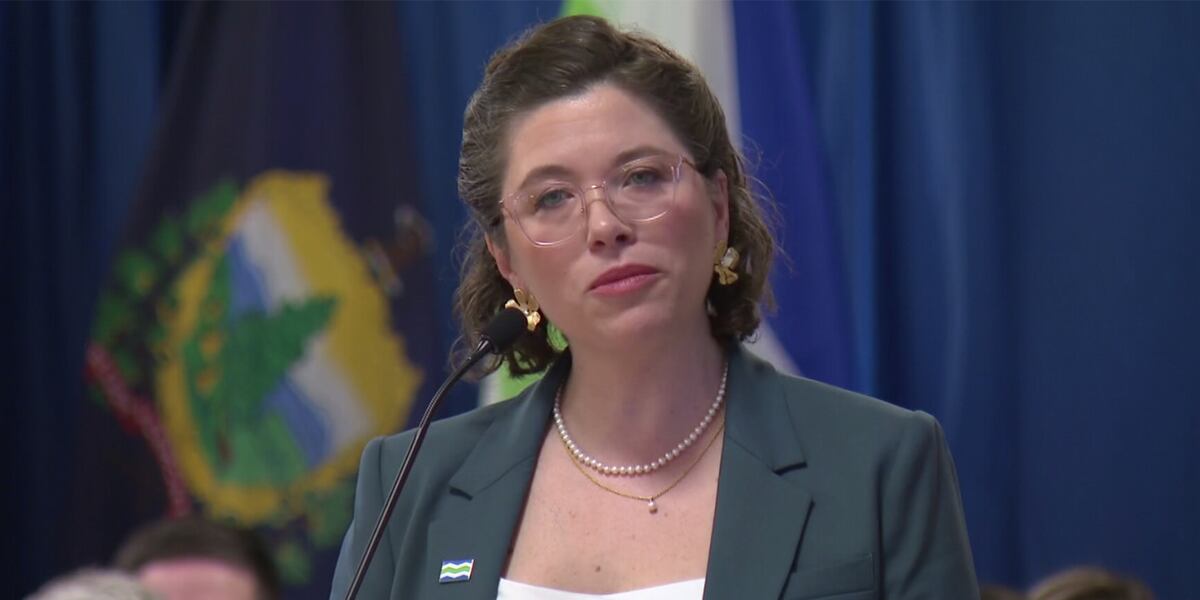
For homeowners, this translates into an additional cost of approximately $285 annually if their property is valued around $353,000. The decision reflects an ongoing commitment to enhance community safety, according to Mayor Miro Weinberger. He emphasized, “I really hope that people see that the revenue increase we’re requesting is very targeted to our number one priority here in the city, which is community safety, as we continue to rebuild our police department, as we continue to support first responders.”
Broader Implications for Local Taxation
This tax increase is not an isolated issue; Burlington is one of several communities in Vermont facing similar local tax decisions. Approximately 20 communities will also be voting on whether to implement a local option tax of 1% on sales of certain goods, including meals, alcoholic beverages, and lodging. The revenue generated from this tax is expected to support critical infrastructure upgrades and assist in meeting bond payments.
As the voting date approaches, discussions surrounding community funding priorities and public safety are becoming increasingly prominent. The outcomes of these votes could significantly impact local services and the overall quality of life for Burlington residents.
In this context, the proposed tax measures serve as a focal point for community debate, highlighting the balance between fiscal responsibility and the need for essential services. Local officials are urging voters to consider the long-term benefits of enhanced public safety and infrastructure when casting their ballots.
As Burlington prepares for the upcoming vote, the broader implications of these decisions may resonate throughout Vermont, shaping future fiscal policies and community dialogues.