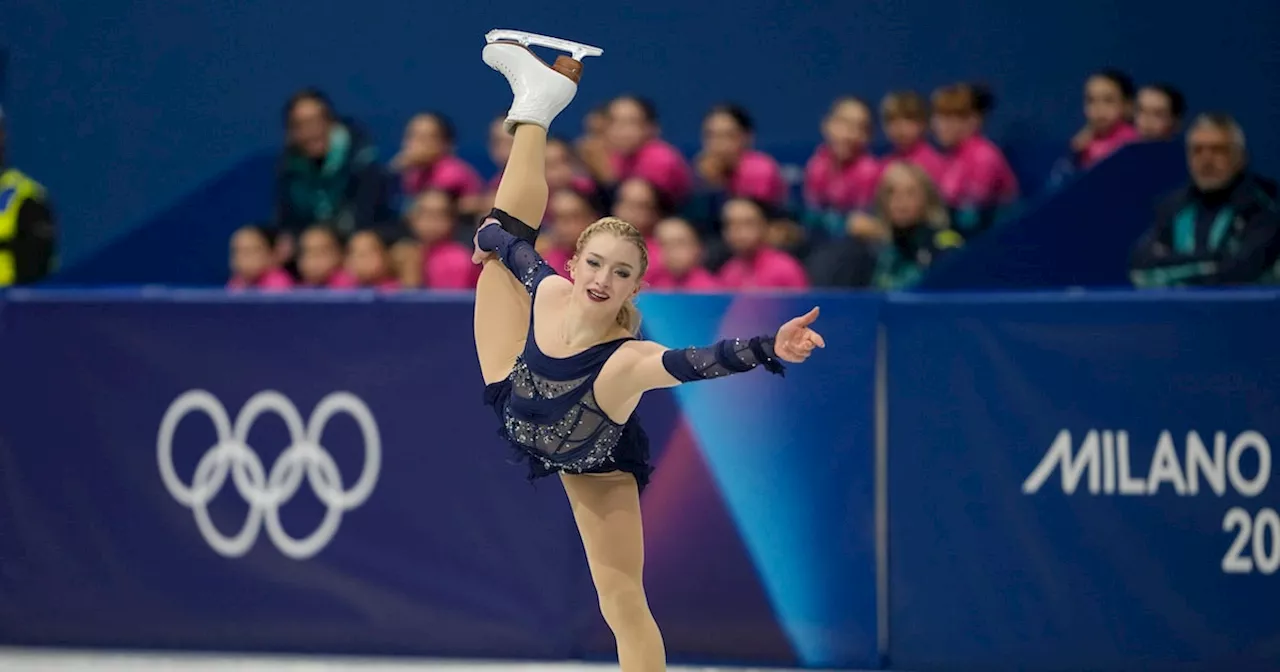
U.S. figure skater Amber Glenn has addressed and resolved copyright issues with Canadian musician Seb McKinnon, known professionally as CLANN. This development follows Glenn’s performance in the women’s team event at the 2026 Winter Olympics in Milan on February 8, where she used McKinnon’s song, “The Return,” for her free skate routine without prior permission.
Initially, McKinnon expressed surprise on social media after the performance, questioning the standard practices regarding music usage at the Olympics. He stated, “So just found out an Olympic figure skater used one of my songs without permission for their routine. It aired all over the world … what? Is that usual practice for the Olympics?” This incident highlights a growing concern in figure skating regarding copyright, which has become increasingly complex since the International Skating Union (ISU) relaxed its regulations in 2014.
Figure skaters are now allowed to use contemporary music, but they must obtain the necessary rights. The process can often be confusing, leading to disputes like the one between Glenn and McKinnon. “The issue of music rights can be complex and confusing,” Glenn remarked. “Seems like there was a hiccup in that whole process. I’m glad we cleared things up with Seb and I look forward to collaborating with him.”
Despite the confusion, Glenn had performed to “The Return” for the past two years without any apparent issues. McKinnon acknowledged that his intention was not to create controversy, stating, “There’s absolutely no hate on my side. At the same time, I just want to make sure the artist rights are respected.”
The copyright issues in figure skating have become more prevalent as athletes increasingly select modern music that resonates with their personal styles. This shift has led to complications, with several skaters at the Milan Cortina Games facing last-minute changes to their routines due to inadequate permissions. For instance, skater Denis Gumennik had to switch his short program music just two days before competition after learning he lacked rights to a specific track, ultimately opting for a different piece.
Glenn, a three-time U.S. champion and outspoken advocate for LGBTQ+ rights, has become a focal point during these Olympics. Following a press conference where she discussed the struggles faced by the queer community under the current political climate in the United States, she received threats. “I was disappointed because I’ve never had so many people wish me harm before, just for being me and speaking about being decent — human rights and decency,” she said during an emotional moment at the medal ceremony while wearing an LGBTQ+ pin.
After celebrating the U.S. team’s gold medal victory, Glenn plans to participate in a training camp near Milan in preparation for her individual event, which starts with the short program on February 17. Reflecting on her experience so far, she expressed gratitude for the opportunity and excitement for the upcoming challenges. “For all of us first-time Olympians, you saw our nerves, and just getting them out,” she noted. “So I’m really grateful that I was able to have this opportunity ahead of the individual.”
As the figure skating community navigates the evolving landscape of music rights, Glenn’s situation underscores the need for clearer guidelines and support for athletes to prevent similar disputes in the future.