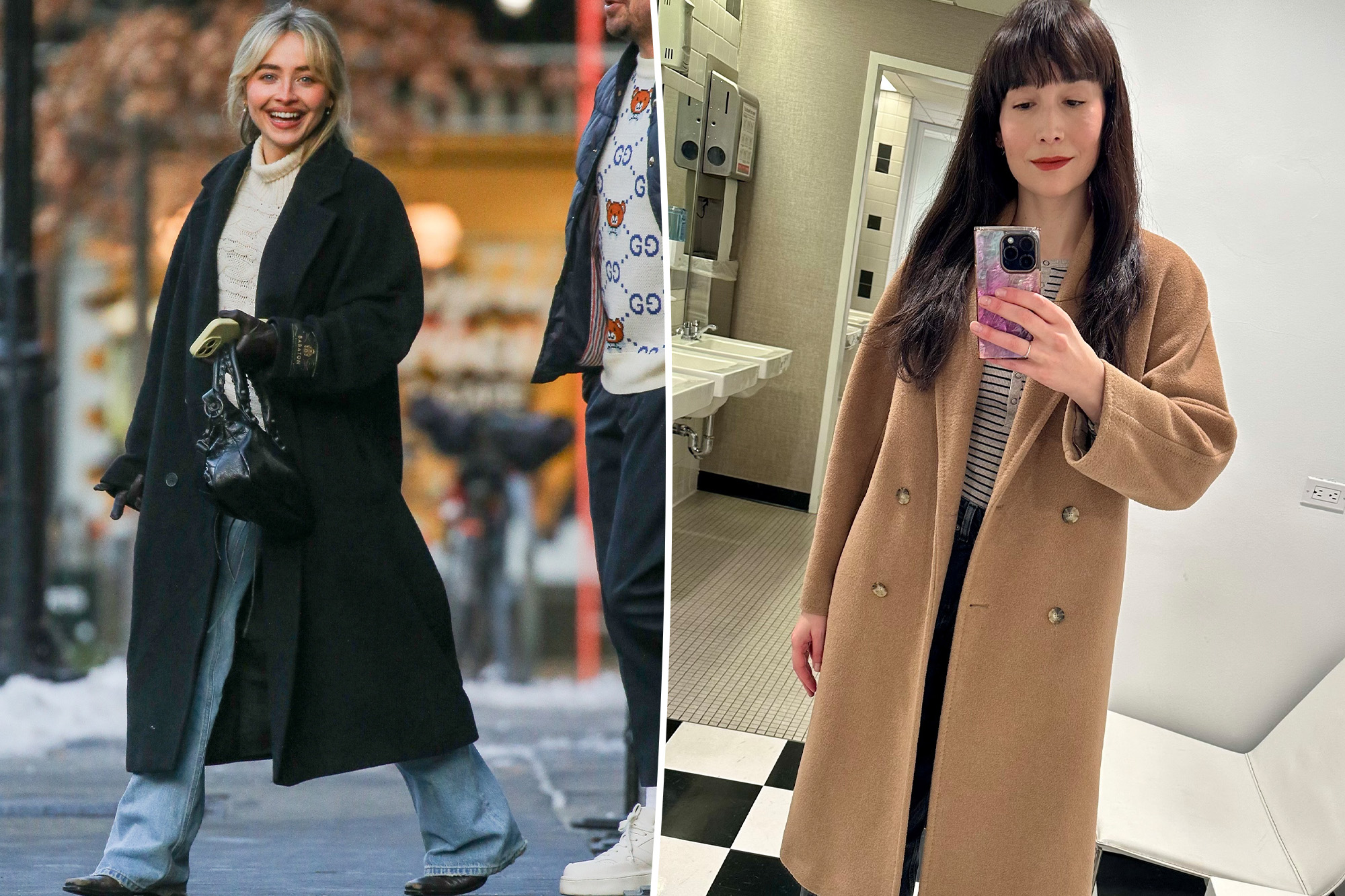
The way you perceive your appearance can drastically change depending on the mirror or photo you encounter. A common experience occurs when individuals leave their homes feeling confident, only to feel disheartened upon viewing themselves in a gym or fitting room mirror. This phenomenon is not merely a failure of self-perception, but rather a complex interplay of physics, optics, and human psychology.
Understanding Reflection and Light
Your home mirror serves as a controlled environment. The familiar lighting, distance, and posture create a stable reference point for your self-image. According to the American Physical Society, a flat mirror produces a virtual image that accurately reflects your size and position. This consistency reinforces your understanding of what you look like.
In contrast, public mirrors often lack this reliability. Many are poorly manufactured or slightly warped, affecting how light reflects off your face. Even minor distortions can alter proportions, leading to perceptions that features appear stretched or compressed. When combined with harsh overhead lighting, these factors can exaggerate bone structure and magnify skin texture, leaving individuals questioning their appearance.
The Role of Photography
Photos present another challenge to self-image. A camera captures a three-dimensional face and flattens it, distorting proportions, especially in close-range shots. A study published in JAMA Facial Plastic Surgery revealed that close-up photos can amplify facial features, which may explain why selfies often feel unflattering compared to distant images.
Additionally, many smartphone cameras utilize wide-angle lenses. Such lenses can create a false sense of proximity, making the features nearest to the camera appear larger while flattening the rest of the face. This distortion can lead to a disconnection between how individuals perceive themselves and how they appear in photos.
Familiarity plays a crucial role in this experience. Mirrors reverse your image from left to right, while most photographs do not. Studies on facial recognition indicate that people tend to prefer the mirrored versions of themselves, as these are the images they see most frequently. Therefore, unflipped photos may seem wrong or unfamiliar, despite being accurate representations.
The uncomfortable reality is that no single mirror or photo defines your appearance. Each offers a unique perspective shaped by distance, lighting, and angle. Your bathroom mirror is not misleading, nor is the camera; both present different interpretations of the same individual. Understanding this can lessen the emotional weight these reflections and images carry.
In summary, the next time you feel disheartened by your appearance in a public mirror or photo, it’s worth remembering that each reflection and image presents a different version of you. Embracing this complexity can help maintain self-confidence, regardless of the circumstances.