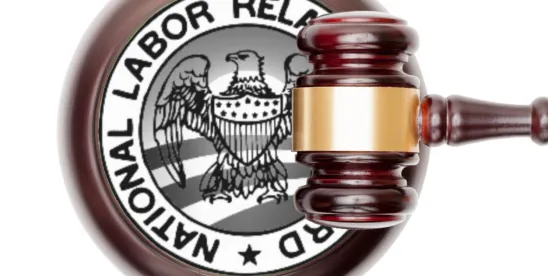
The U.S. Senate has confirmed three key nominations to the National Labor Relations Board (NLRB), restoring its quorum for the first time in nearly 12 months. On January 7, 2026, Crystal Carey was sworn in as General Counsel, alongside Scott Mayer and James Murphy as Board Members. This development enables the NLRB to address a significant backlog of cases that has accumulated during its period without a quorum.
The NLRB has been unable to issue rulings since January 2025 due to a lack of the required three-member quorum. The Senate’s confirmation vote on January 6, 2026, ended this impasse, allowing the Board to operate effectively once more. With the quorum restored, the NLRB can begin tackling the growing case backlog by the end of the year.
Key Appointments and Their Implications
Crystal Carey will serve a four-year term as General Counsel, while Scott Mayer and James Murphy’s terms are set to expire on December 16, 2029, and December 16, 2027, respectively. The addition of Mayer, who has served as chief corporate labor counsel, was a last-minute inclusion in the Senate’s nominee package. This package also included Murphy and Carey, marking a significant change in the Board’s leadership.
The restoration of the NLRB’s quorum is critical as it allows the Board to resume its essential functions related to labor relations. This includes handling cases involving unfair labor practices and other disputes between employers and employees. The backlog has posed challenges for workers and unions seeking timely resolutions to their complaints.
Looking Ahead
With the new appointments, the NLRB is poised to expedite its decision-making processes. Stakeholders in labor relations are hopeful that the Board will act swiftly to alleviate the backlog and restore confidence in its operations. The confirmation of these nominees signifies a renewed commitment to labor rights and fair practices in the workplace.
The NLRB plays a vital role in maintaining the balance between employers’ rights and workers’ rights. As it resumes its duties, the implications of its decisions will be closely monitored by both labor advocates and corporate representatives. The Board’s actions in the coming months will be crucial in shaping the landscape of labor relations in the United States.