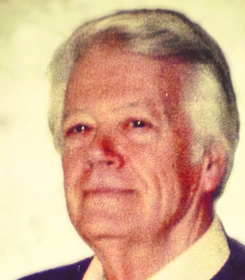
A U.S. Navy admiral overseeing military operations in Latin America has officially transferred command responsibilities amid growing scrutiny of the Trump administration’s operations against alleged drug trafficking vessels. Admiral Alvin Holsey retired on October 20, 2023, leaving his post to Air Force Lt. Gen. Evan Pettus during a ceremony at the U.S. Southern Command headquarters in Miami.
In his farewell remarks, Holsey refrained from discussing the contentious military operations that have resulted in significant casualties, including at least 87 fatalities. Instead, he emphasized the need for his successor to maintain partnerships in the region by adhering to democratic values and supporting the rule of law. “To be a trusted partner, we must be credible, present, and engaged,” he stated.
Holsey’s abrupt retirement was announced by the Pentagon as the Trump administration faced increasing criticism for its military actions against suspected drug boats in the Caribbean Sea and eastern Pacific Ocean. These strikes have drawn attention from Congress, with bipartisan investigations underway, particularly following an incident that resulted in the deaths of two survivors clinging to wreckage after an initial attack.
The ceremony on Friday was notably subdued, attended mainly by personnel from Southern Command. Notably absent was Defense Secretary Pete Hegseth, as President Trump has yet to nominate a replacement for Holsey. Gen. Dan Caine, chairman of the Joint Chiefs of Staff, praised Holsey’s service but did not address the ongoing military operations in Latin America.
Holsey’s retirement follows a series of firings and unexpected departures among military leadership since Hegseth took charge of the Pentagon. This trend has raised eyebrows, particularly as Congress continues to probe the legality of the administration’s military actions, which experts in warfare and human rights groups have called into question.
The actions taken by the Trump administration have been characterized as aggressive, labeling drug gangs operating in Venezuela, Colombia, and Mexico as “narcoterrorists.” The administration’s legal justification is rooted in arguments that began gaining traction post-September 11, 2001, asserting that the United States is in armed conflict with these drug cartels.
As part of this campaign, U.S. forces have ramped up pressure on Venezuelan President Nicolás Maduro, who has been accused of narcoterrorism. Recently, U.S. forces seized a sanctioned oil tanker allegedly involved in smuggling illicit crude, an action seen as critical to Maduro’s hold on power. Maduro has countered, asserting that the U.S. military operations aim to destabilize his government.
Holsey’s departure marks a significant moment in the military’s relationship with the Trump administration, as it navigates complex geopolitical issues and domestic scrutiny concerning military ethics and legality. Lt. Gen. Pettus, who previously served as Holsey’s deputy since late 2024, now faces the challenge of leading operations under a cloud of controversy and uncertainty regarding the administration’s strategies in the region.
As investigations continue and questions linger regarding the legality of the boat strikes, members of Congress, including Senator Jack Reed, have indicated that the administration’s military actions will remain under close examination. Reed noted that while Holsey answered questions posed by lawmakers, “there are still many questions to be answered.” The future of U.S. military operations in Latin America remains to be seen as the political landscape continues to evolve.