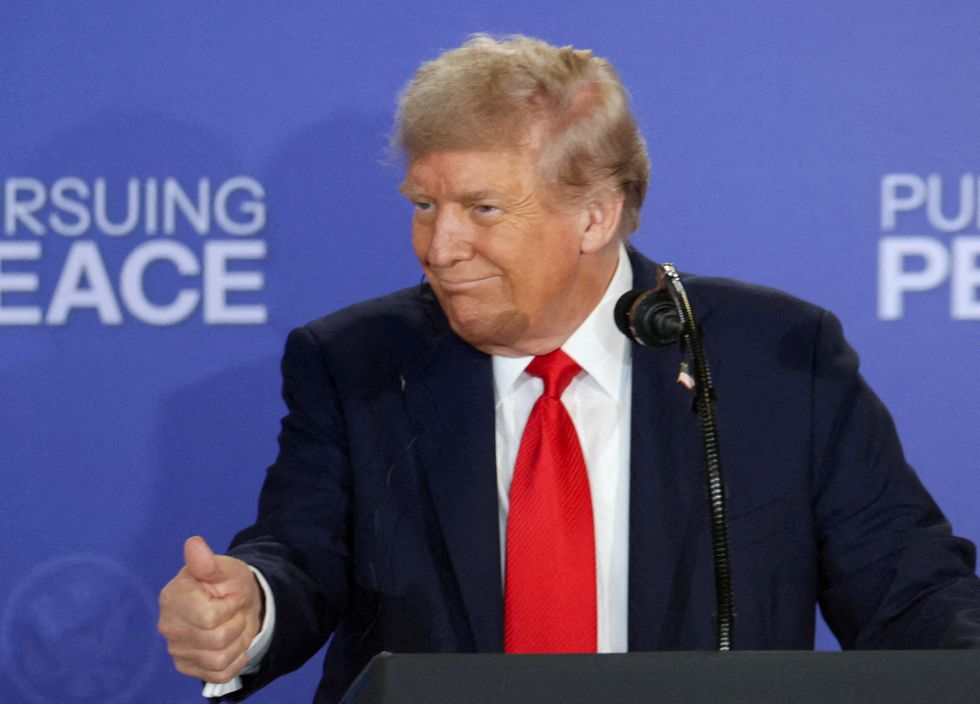
Thomas L. Friedman, a three-time Pulitzer Prize-winning foreign affairs columnist for the New York Times, has sharply criticized former President Donald Trump’s recent approach to the conflict in Ukraine. In his latest opinion piece, Friedman describes Trump’s strategy as a “disgrace,” particularly in light of the implications it has for U.S. foreign policy and international alliances.
Friedman asserts that Trump’s efforts to negotiate a peace deal with Russia could lead to what he calls the “Neville Chamberlain Peace Prize.” He argues that this would be awarded to a leader who compromises national values and alliances in favor of appeasing an aggressive dictator. The columnist specifically mentions Vladimir Putin, stating that Trump’s negotiations appear to surrender Ukraine’s sovereignty without adequate consultation with Ukrainian officials or European allies.
In his commentary, Friedman focuses on the ramifications of a potential agreement that could be imposed on Ukraine by Thanksgiving, which falls on November 23, 2023. He warns that if Ukraine is compelled to accept such terms, it would mark a significant shift in the perception of the holiday, transforming it from a celebration of American values into a “Russian holiday.”
Friedman writes, “If Ukraine is, indeed, forced to surrender to the specific terms of this ‘deal’ by then, Thanksgiving will no longer be an American holiday. It will become a day of thanks that victory in Putin’s savage and misbegotten war against Ukraine’s people was delivered to Russia not by the superiority of its arms, but by an American administration.”
The implications of Trump’s proposed deal extend beyond Ukraine, according to Friedman. He warns that this approach could place the entire European Union under increasing pressure from Russia. He argues that the message sent to U.S. allies would be clear: any provocation against Putin could lead to a lack of support from the United States.
Friedman continues, saying, “Trump’s message to our allies will be clear: Don’t provoke Putin, because as long as I am commander in chief, the United States will pay no price and we will bear no burden in the defense of your freedom.” He suggests that if the plan is forced upon Ukraine as it stands, a new term may need to be introduced into diplomatic discourse: “Trumped,” indicating a betrayal by an American president.
He holds Trump, along with key figures involved in the negotiations—Steve Witkoff, Marco Rubio, and Dan Driscoll—responsible for what he perceives as a shameful capitulation to Russian pressure. Friedman concludes by stating that history will remember these individuals for this failure, which he believes undermines not only Ukraine’s sovereignty but also the integrity of U.S. foreign policy.
This critical perspective from a prominent journalist highlights the ongoing debate surrounding Trump’s foreign policy strategies and their potential consequences for global alliances and security.