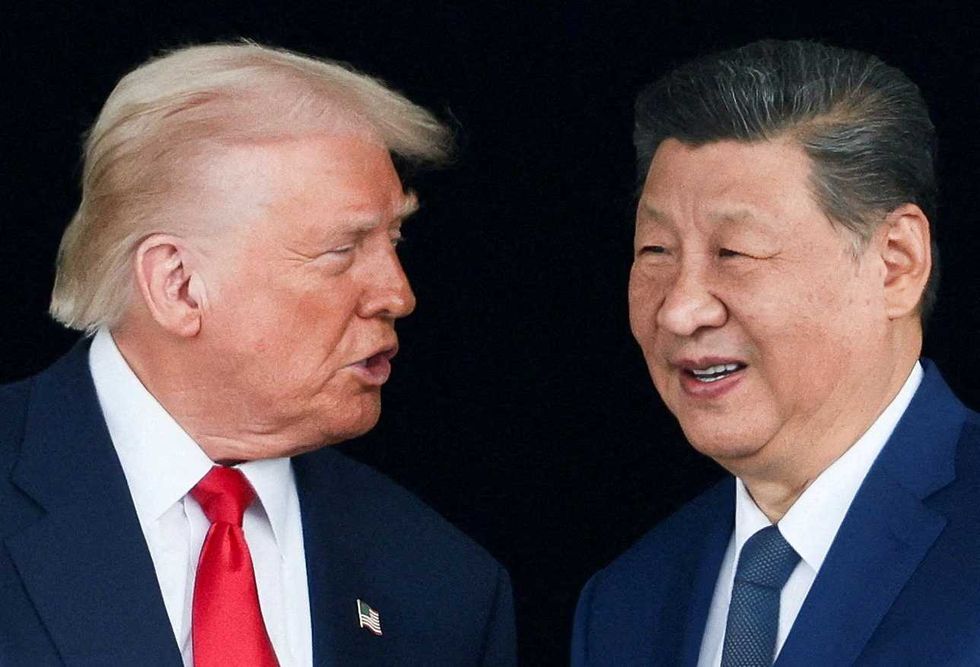
A recent survey has indicated that the leadership of Donald Trump has inadvertently contributed to China’s ascent as a global superpower, while simultaneously distancing the United States from its traditional allies in Europe. Conducted by the European Council of Foreign Relations, the survey highlights a significant shift in perceptions of international alliances.
The findings reveal that nearly all of the 21 countries surveyed anticipate an increase in China’s influence over the next decade. In stark contrast, the status of the United States as a reliable ally has declined across almost all nations included in the survey. Notably, India remains the exception, with a majority of respondents still viewing the U.S. as an ally that shares common values and interests.
The survey’s results underscore a troubling trend for U.S. foreign relations amidst a backdrop of global instability. The ongoing conflict between Ukraine and Russia has persisted for over four years, while tensions continue in the Middle East. Additionally, Trump has recently authorized an operation aimed at arresting and deporting Venezuelan leader Nicolás Maduro, who faces serious charges including narco-terrorism and weapons trafficking.
The authors of the survey have expressed concern regarding the implications of their findings. They assert that the “old order” in international relations is coming to an end. In their joint statement, they emphasized that political leaders in Europe should recognize that their citizens are acutely aware of the dramatic shifts in the global geopolitical landscape.
“Political leaders in Europe should no longer ask themselves whether their own citizens grasp the radical nature of the current geopolitical changes. They do,” the authors stated. This reflection indicates a growing acknowledgment among Europeans that the dynamics of global power are evolving, with China increasingly positioned to play a dominant role.
As the international community observes these developments, the implications for U.S. foreign policy and its relationships with allies will be critical in the years ahead. The survey results serve as a stark reminder of the changing perceptions and realities in international politics, challenging the traditional understanding of alliances and global influence.