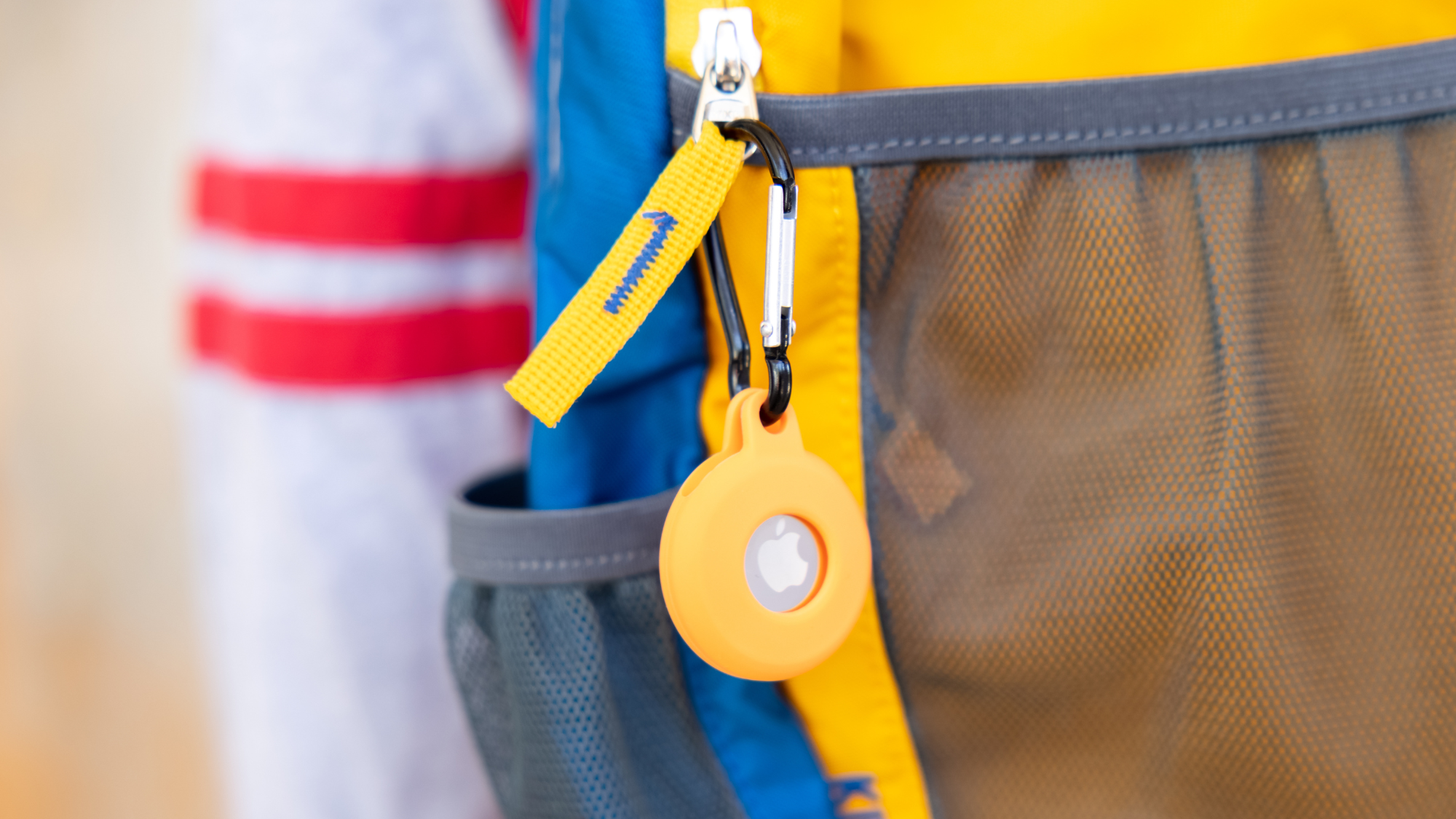
As parents increasingly employ technology to monitor their children’s whereabouts, a recent survey sheds light on the growing trend of tracking devices among families. According to a survey conducted by Unite Students in September 2023, 67% of parents with first-year university students utilized an app to track their child’s location. In contrast, only 17% reported maintaining daily contact. The survey also revealed that 71% of fathers actively monitored their children’s locations, compared to 59% of mothers. This raises the question: does this practice enhance safety, or has it crossed into ethically questionable territory?
Parental Comfort or Unhealthy Surveillance?
For many parents, the comfort of knowing their child’s location can be significant. Naomi Greenaway, writing in The Telegraph, shared her experience of using a tracking device as her son began traveling alone on the train in London. She described placing a small device in his blazer pocket, which eased her anxiety and made the journey less daunting for both of them. Greenaway noted that many parents in her WhatsApp group also relied on tracking technologies, especially during the “tween years” when many kids receive smartphones.
Despite the potential for peace of mind, some parents express concerns about becoming overly reliant on tracking tools. Esther Walker, in The Times, highlighted the difference between children who tend to wander off and those who do not. She recounted a frightening experience of briefly losing her daughter at a playground, prompting her to tag her children’s school bags with tracking devices. While she acknowledged that these devices can provide inaccurate readings, they served as a form of reassurance.
The Risks of Helicopter Parenting
Others, however, caution against the implications of constant monitoring. Charlotte Cripps, writing for The Independent, reflected on her initial belief that tracking her young children would ensure their safety. She soon found herself consumed with anxiety, checking her phone obsessively and fearing the worst if she couldn’t see them. Cripps described her transformation into a “neurotic and paranoid mother,” questioning the effectiveness of her approach.
A coalition of health professionals, organized by Generation Focus, is now urging parents to reconsider the implications of such surveillance. They argue that constant tracking may foster anxiety in children and hinder their development of independence and resilience. In a letter, the coalition advised parents to “pause on tracking” and reflect on whether this surveillance-based upbringing truly benefits their children.
The phenomenon of “helicopter parenting,” where parents micromanage their children’s lives, has garnered criticism for creating excessive stress for both parties. Zing Tsjeng, in The i Paper, acknowledged the safety motivations behind tracking but asked a pivotal question: when does this vigilance become excessive? She prompted parents to consider at what age they should trust their children to navigate the world independently.
As technology continues to evolve, the debate surrounding parental monitoring remains complex. While some parents find comfort in maintaining a digital connection, others worry that such practices may undermine their children’s ability to grow and thrive independently. The challenge for families lies in striking a balance between ensuring safety and fostering autonomy.