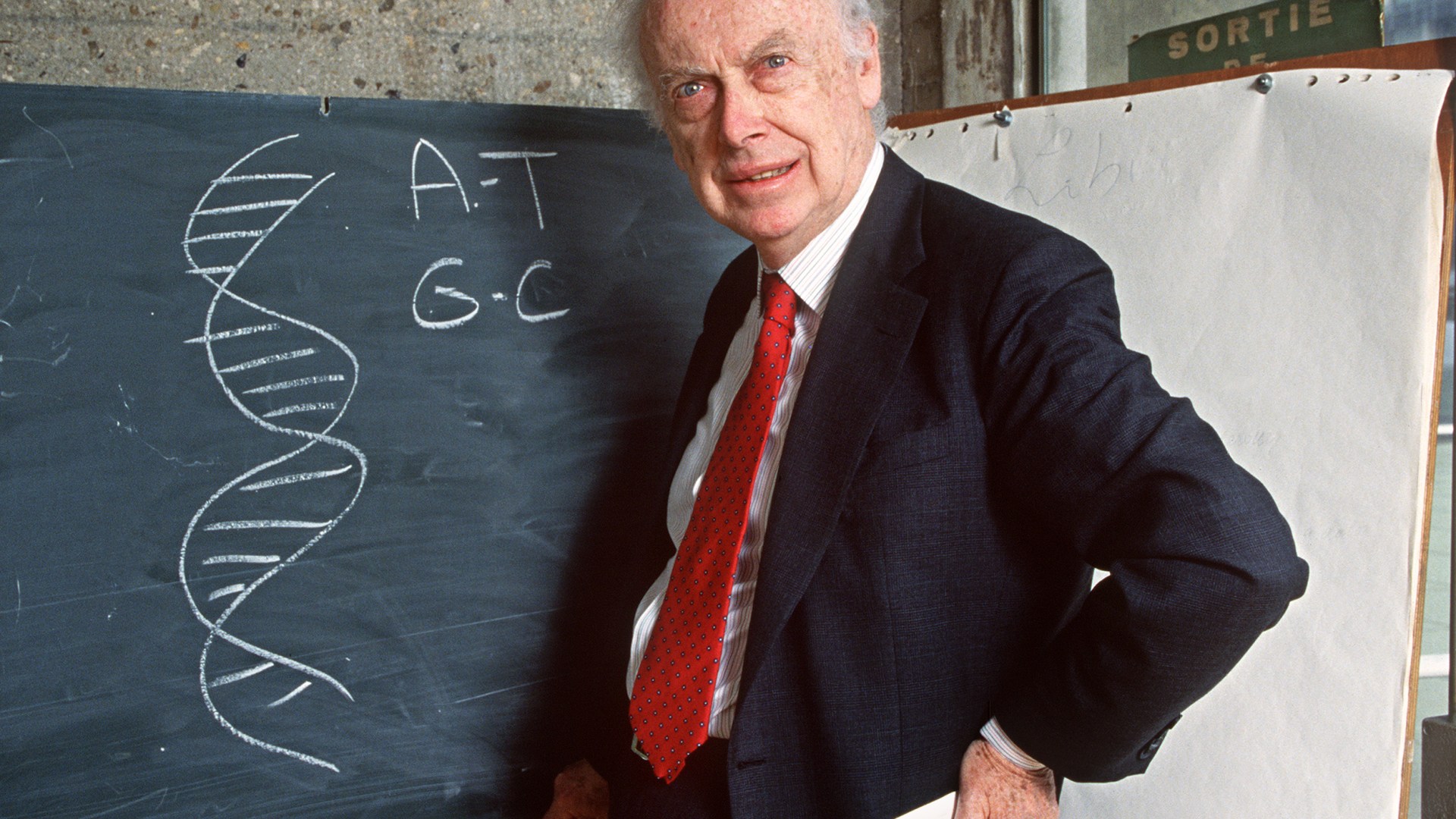
James Watson, the American scientist celebrated for his pivotal role in uncovering the structure of DNA, has died at the age of 97. His passing was confirmed by Cold Spring Harbor Laboratory, where he conducted significant portions of his research. Watson’s work, alongside Francis Crick and Rosalind Franklin, led to the discovery of the iconic double helix structure in 1953, a breakthrough that revolutionized multiple fields including medicine, forensic science, and genetics.
Born in Chicago on April 6, 1920, Watson displayed an early affinity for science. He pursued his education at the University of Chicago, eventually earning a PhD in zoology. His collaboration with Crick at the University of Cambridge was marked by groundbreaking research that unveiled the molecular structure of DNA. This discovery is often regarded as one of the most significant scientific achievements of the 20th century.
Impact on Science and Society
The implications of Watson’s work extend far beyond the laboratory. The elucidation of DNA’s structure paved the way for modern genetics, allowing for advancements in genetic engineering, gene therapy, and the understanding of hereditary diseases. It has also facilitated developments in forensic science, enabling more accurate crime scene investigations and paternity testing.
Watson’s contributions earned him and Crick the Nobel Prize in Physiology or Medicine in 1962, which they shared with Franklin posthumously, reflecting the collaborative nature of their research. The Nobel Committee recognized their work as a monumental leap forward in biological science.
In addition to his scientific accolades, Watson held various leadership positions, including serving as the director of Cold Spring Harbor Laboratory for over 30 years. He was also a member of the National Academy of Sciences, influencing generations of scientists and researchers.
Controversies and Legacy
Despite his numerous achievements, Watson’s legacy is not without controversy. Over the years, he has faced criticism for comments deemed controversial regarding race and intelligence. These statements have sparked debates within the scientific community and beyond, complicating the perception of his contributions.
As news of his passing spreads, tributes from around the world have begun to pour in. Prominent scientists and institutions have acknowledged Watson’s profound impact on the field of genetics and the ethical discussions surrounding scientific discovery.
The scientific community now reflects on Watson’s legacy, remembering both his remarkable contributions and the complexities of his character. His death marks the end of an era in genetics and a significant chapter in the history of science.