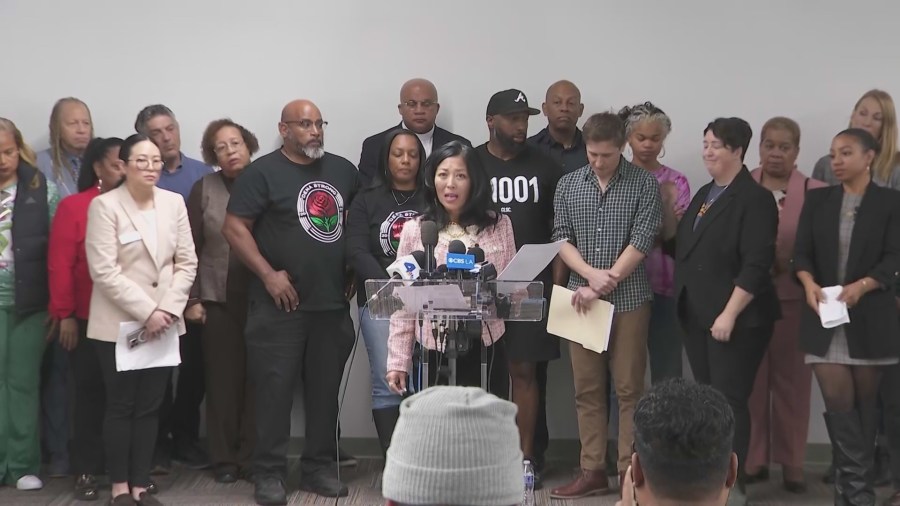
In a significant development, New Yorkers are voicing their opposition to a recently proposed assisted suicide law. This legislation has sparked heated discussions among families, advocacy groups, and healthcare professionals, raising questions about its ethical implications and potential impact on vulnerable populations.
Diane Coleman, a prominent advocate for disability rights, tragically passed away before witnessing the full ramifications of this law. Her absence is felt deeply among those who continue to fight against it. Family members of individuals with disabilities assert that the law poses a grave risk, citing concerns that it could lead to coercion and undermine the sanctity of life.
The proposed law seeks to provide terminally ill patients with the option of assisted suicide, allowing them to end their lives with medical assistance. Supporters argue that this legislation offers compassion and dignity to those suffering from unbearable pain. Yet, critics emphasize the need to focus on improving palliative care rather than facilitating death.
Advocacy groups have mobilized in response to the proposed law, organizing rallies and public discussions to express their dissent. They argue that the legal framework should prioritize protecting vulnerable individuals rather than providing an option for assisted suicide. According to a recent survey conducted by the Disability Rights Advocacy Group, approximately 70% of New Yorkers with disabilities oppose the assisted suicide legislation.
Health professionals also share concerns about the ethical implications of assisted suicide. Dr. Emily Thompson, a palliative care specialist, stated, “We should be investing in better care options and ensuring that every patient has access to the support they need.” Her remarks highlight a growing sentiment among healthcare providers that the focus should be on enhancing quality of life through comprehensive medical care.
Public opinion remains divided on this issue. While polls indicate that many New Yorkers support assisted suicide, a significant number express apprehension about its potential misuse. The debate underscores the complexity of the issue, as it intersects with personal beliefs, medical ethics, and societal values.
As the discussion continues, the voices of those affected by the law grow louder. Family members of individuals with disabilities are determined to ensure that their concerns are heard. They are advocating for robust safeguards against coercion and calling for a more nuanced approach to end-of-life care.
In the coming months, the New York legislature will deliberate further on this contentious issue. Advocates on both sides are gearing up for an intense battle as they seek to influence the final decision. The outcome could have profound implications for the future of assisted suicide laws across the United States.
With advocacy efforts gaining momentum, it remains to be seen how the situation will unfold. As New Yorkers grapple with the moral and ethical dimensions of assisted suicide, the voices of those affected by the law will continue to resonate in this critical conversation.