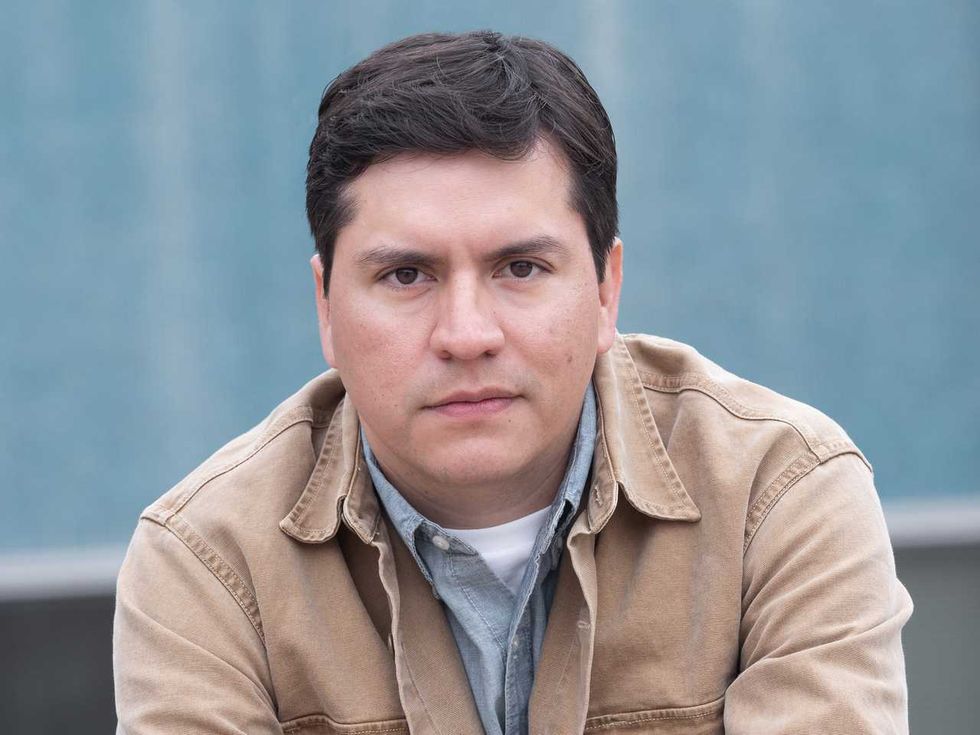
Survivors born to survivors have reunited decades after their birth at Mauthausen Concentration Camp during the Holocaust. Eva Clarke, Hana Berger-Moran, and Mark Olsky, all born in the early 1940s to women imprisoned in the camp, discovered each other’s existence through a shared history that connects them to one of the darkest chapters of human history.
Eva Clarke, born in 1944, is the daughter of a Jewish mother who was imprisoned at Mauthausen. Her mother, a young woman at the time, managed to survive the horrors of the camp while pregnant. Clarke’s journey of discovery began when she learned about the experiences of children born in concentration camps, known as “miracle babies.”
Similarly, Hana Berger-Moran and Mark Olsky were born in Mauthausen, each with their own harrowing stories. Their mothers, also survivors, faced unimaginable challenges during their pregnancies. The three individuals share a unique bond that transcends time, forged by their mothers’ resilience and strength in the face of adversity.
The reunion took place in 2023, decades after the war ended in 1945. This meeting, arranged through a series of connections among Holocaust survivors and their descendants, highlighted the perseverance of the human spirit. Each of them has carried the weight of their mothers’ histories throughout their lives.
The significance of their reunion extends beyond personal connections; it serves as a poignant reminder of the Holocaust’s impact on subsequent generations. Their stories are not just about survival but about reclaiming identity and understanding the past. As they shared their experiences, it became clear that their journeys were intertwined by shared trauma and resilience.
As they reflect on their lives, the trio emphasizes the importance of remembering the Holocaust and educating future generations. They advocate for awareness and understanding, ensuring that such atrocities are never repeated. “We are not just miracle babies; we are living testimonies,” said Clarke during the reunion.
The emotional gathering also drew attention to the broader narrative of Holocaust survivors and their descendants. Each story contributes to a richer understanding of history and underscores the need for continued dialogue about the consequences of hatred and intolerance.
The reunion of these miracle babies is more than a personal milestone; it is a collective acknowledgment of survival and the continuation of legacy. They represent hope and resilience, reminding us that from the ashes of despair, new connections can flourish.
Their story is a testament to the enduring impact of history and the vital importance of remembrance in fostering a more compassionate world.