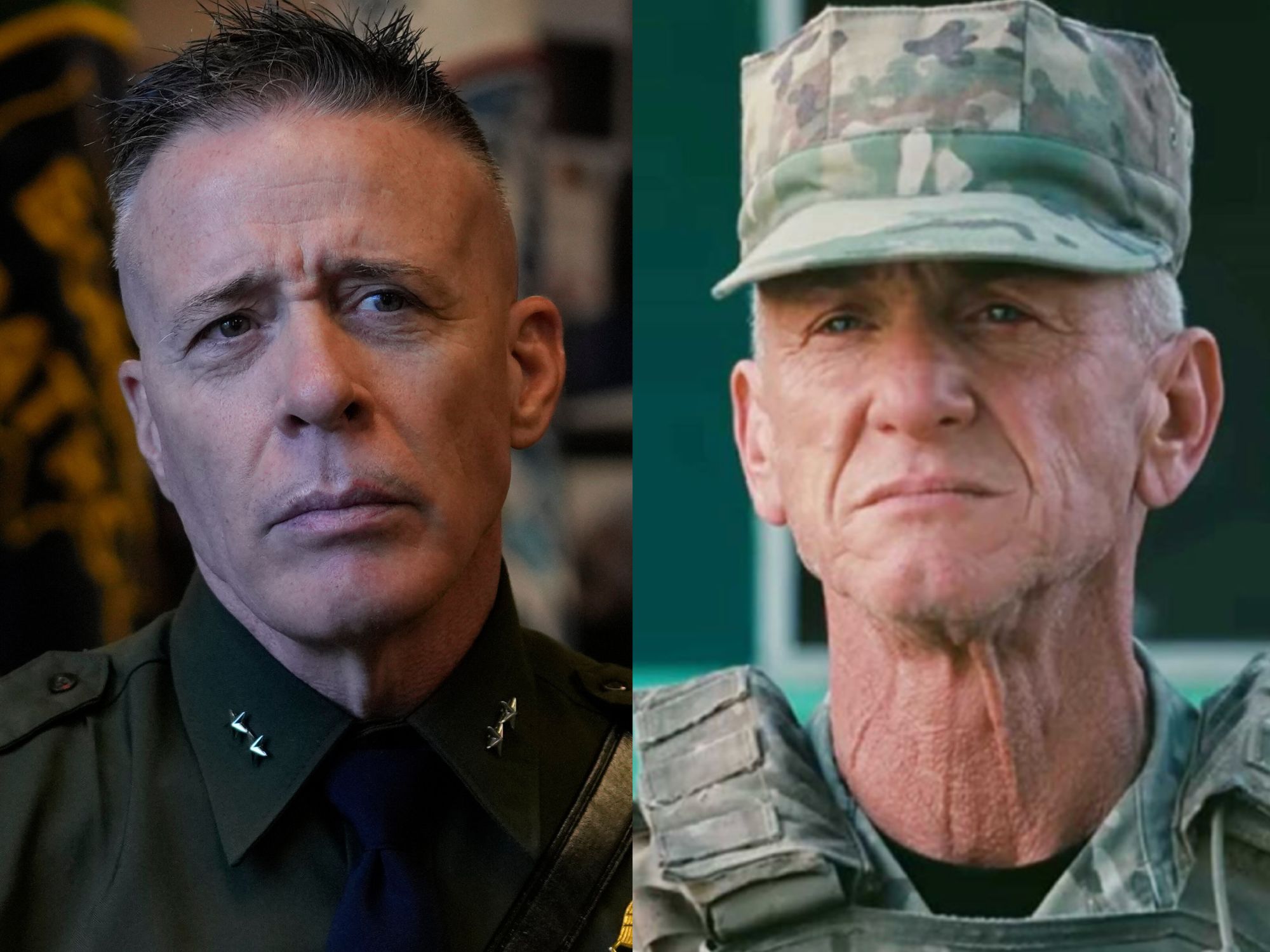
After a tumultuous period in Minneapolis, Customs and Border Protection’s (CBP) commander-at-large, Gregory K. Bovino, has been removed from his post. This decision comes in the wake of public outcry regarding CBP and Immigration and Customs Enforcement (ICE) operations in the city. Following a significant backlash, border czar Tom Homan will take over Bovino’s responsibilities. Reports indicate that Bovino may be considering retirement, as evidenced by the removal of his social media accounts and diminishing role within the agency.
Bovino’s career spans over three decades as a border patrol officer, including a notable tenure as chief in the El Centro sector of California. His profile rose significantly after he served as tactical commander during a high-profile raid in Los Angeles last June. However, his actions and approach have drawn criticism, often characterizing him as a controversial figure within the Trump administration’s immigration enforcement narrative.
The removal of Bovino follows a series of incidents that have sparked significant media attention. His leadership has been associated with the controversial use of tear gas and support for immigration officers involved in the shootings of unarmed individuals, such as Renee Good and Alex Pretti. Recent court proceedings have also called into question claims made by administration officials about Bovino being a target of cartel assassination attempts, which were dismissed in federal court.
Background and Controversies
Before taking on the high-profile role in Minneapolis, Bovino faced allegations of discrimination within the CBP. In 2022, the Department of Homeland Security settled a lawsuit regarding claims that he manipulated the hiring process to exclude qualified Black and Latino candidates from senior supervisory positions. The lawsuit, initiated by former CBP employee Jon Joyner, highlighted instances where job postings were canceled, allowing Bovino to hire a less qualified white applicant for senior roles.
During legal proceedings, evidence emerged of racially charged communications involving Bovino and a subordinate, which raised ethical concerns. A specific email, deemed inappropriate by Bovino himself, highlighted a troubling culture within the agency. Despite acknowledging the inappropriateness of the communication, Bovino did not take disciplinary action against the employee who sent it.
In addition to these issues, Bovino’s recent removal has been linked to escalating violence in Minneapolis, where footage of Pretti’s unarmed killing led to public outrage. The Trump administration’s response included a scaling back of aggressive immigration efforts in the area, signifying a shift in strategy.
Impact and Future Prospects
The impact of Bovino’s leadership and subsequent removal extends beyond personnel changes. Critics argue that his approach exacerbated tensions in communities affected by CBP operations. With Homan stepping in, there are expectations for a reevaluation of the agency’s tactics and strategies in urban environments.
While the future remains uncertain for Bovino, his career trajectory reflects a broader narrative about immigration enforcement in the United States. The ongoing scrutiny of CBP and ICE operations, particularly in response to public sentiment, may shape the agency’s future direction.
As the landscape of immigration enforcement continues to evolve, the implications of this leadership change will likely resonate throughout the agency and the communities it serves. The call for accountability and reform within CBP remains a pressing issue as the agency navigates its role in a changing political climate.