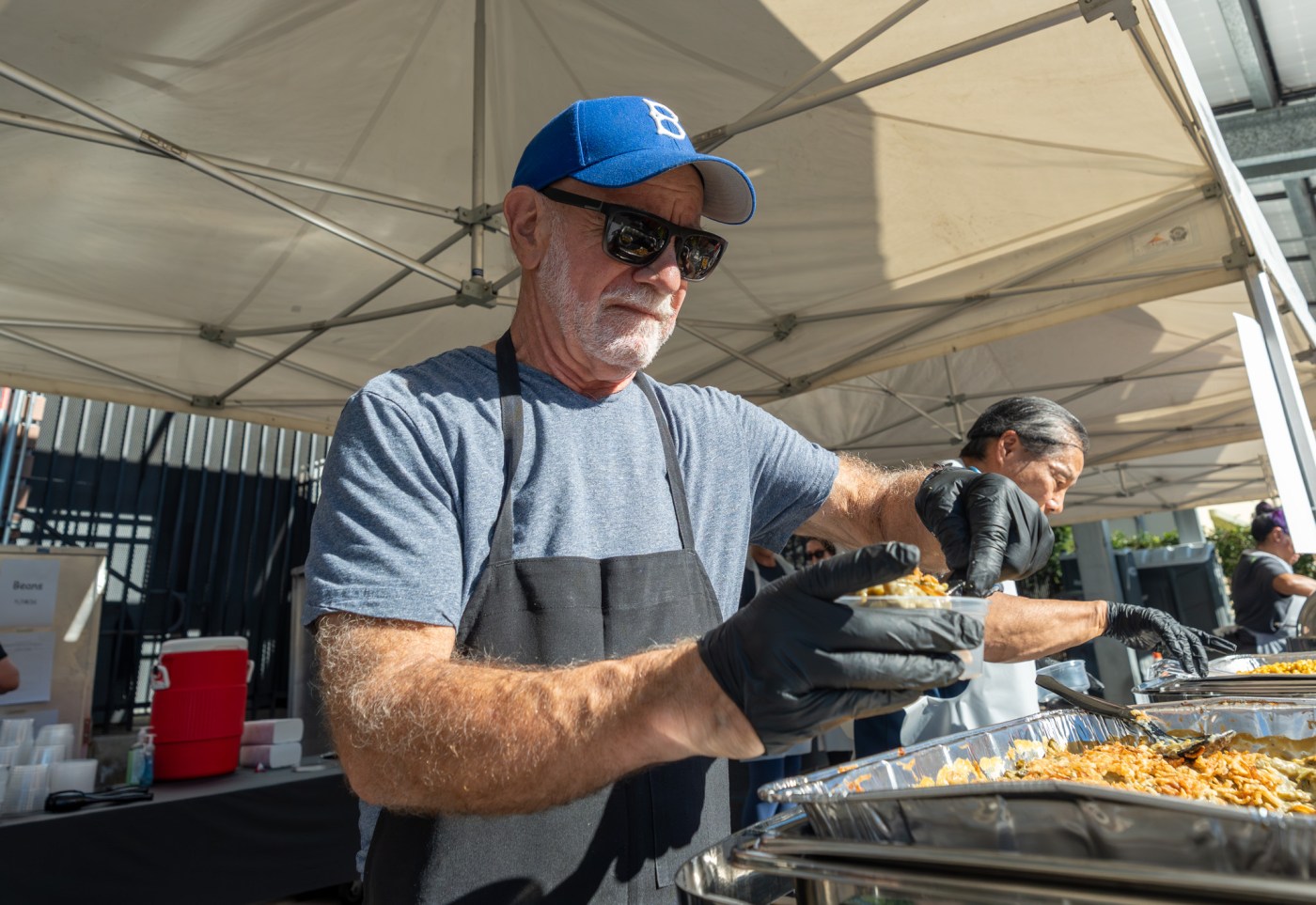
The Gilroy Garlic Festival has successfully raised over $74,000 for local nonprofit organizations during its first year back after a six-year hiatus. The event, held in July 2023, welcomed approximately 9,000 attendees over three days, marking a significant return for a beloved community tradition. Organizers are now focused on expanding both attendance and charitable contributions for next year’s festival.
“It’s the crowning jewel for our organization. This is what we do all of this for – is giving back,” said Paul Nadeau, the 2025 president of the Garlic Festival Association. “We’re just looking forward to multiplying that.”
The festival, which originated as a modest luncheon in 1978, grew into a major event that attracted nearly 100,000 visitors annually for decades. It became known for its unique offerings, including garlic ice cream and shrimp scampi, while also serving as a platform for local charities. Historically, the festival has relied on around 4,000 volunteers and has donated hundreds of thousands of dollars each year to various nonprofit organizations, contributing significantly to the funding of the local Chamber of Commerce.
Tragedy struck in 2019 when a gunman opened fire at the festival, resulting in the deaths of three individuals: Stephen Romero, aged six; Keyla Salazar, aged thirteen; and Trevor Irby, aged twenty-five. The devastating impact of this incident, combined with the challenges of the COVID-19 pandemic and rising insurance costs, led to the festival’s cancellation for several years.
Now, with the festival’s revival, Mayor Greg Bozzo expressed optimism about the event’s future. “I’m excited about the idea that the Garlic Festival is getting back to doing what it did well for so many years and that is supporting nonprofits in Gilroy,” he stated.
This year’s funds were distributed among 33 volunteer groups within the community, including youth sports teams, church groups, and organizations dedicated to supporting underprivileged youth. While the amount raised this year is less than a third of the festival’s historical average of over $250,000 annually, the per-attendee contribution was notably higher, highlighting the event’s smaller but more impactful return.
“We are really interested in not making the festival the biggest it can be, but really the best it can be,” Nadeau remarked, emphasizing the organization’s focus on quality over quantity.
Looking ahead, the Garlic Festival Association aims to attract around 15,000 attendees for next year’s event, gradually scaling up to determine the optimal size for the festival. Nadeau mentioned plans to incorporate more local organizations that can benefit from selling goods at the festival, further enhancing its community impact.
“I believe they should grow it back slowly and sustainably,” Bozzo concluded. “I’m very optimistic that the Garlic Festival will be able to continue with this comeback story.”
As the festival prepares for its next chapter, its commitment to supporting local charities remains a central focus, ensuring that the spirit of the event endures as a vital part of the Gilroy community.