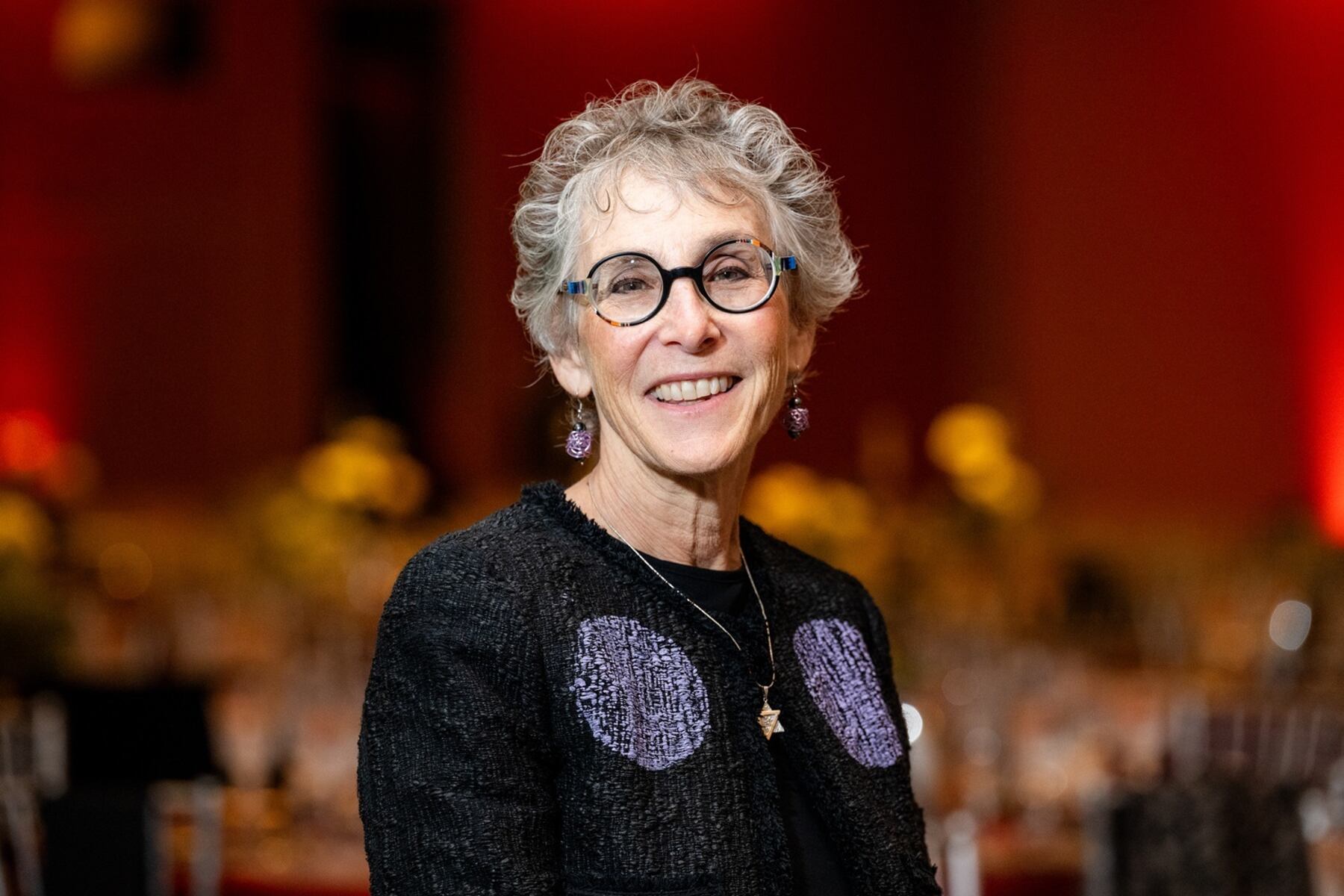
Guest columnist Susan Reis, the state policy advocate for Ohio with the National Council of Jewish Women (NCJW), emphasizes the importance of building genuine relationships to effect change in communities. She highlights that these connections, rather than transactional networking, are crucial for fostering meaningful and lasting transformations in society.
As Reis explains, the essence of relationship-building lies in authentic human interactions. People inherently seek connection, and when individuals invest time in relationships, especially those that bridge diverse backgrounds, they lay the groundwork for impactful change. In her dual role as a policy advocate and a tri-chair of Greater Cleveland Congregations (GCC), Reis has witnessed the powerful outcomes that arise from these connections.
Start by Listening
Reis urges that relationship-building begins with listening. This process does not necessitate agreement; rather, it requires an open mind to hear others’ stories and experiences. By actively listening to people from various socioeconomic backgrounds, races, and religions, individuals can uncover shared values and aspirations.
“When we listen across different lines, we start to see what unites us,” Reis states. This understanding does not erase differences but fosters the trust needed for collaboration. Such dialogues can shift perspectives from assumptions to a deeper mutual understanding.
Time and Small Actions Matter
While building relationships may seem straightforward, Reis acknowledges that it can also be challenging. Trust does not develop overnight, and the process requires patience. “Real change rarely happens on a deadline,” she notes, emphasizing that genuine relationships grow through consistent efforts over time.
Reis encourages individuals to embrace small but impactful actions. Simple gestures, such as showing up, checking in, or having unstructured conversations, can significantly strengthen bonds. Understanding what concerns others can lead to meaningful collaborations when action is necessary.
Even after achieving specific goals, Reis stresses the importance of maintaining relationships. Strong connections should not dissolve following the completion of a project. When individuals invest in each other beyond immediate outcomes, they contribute to building resilient communities and sustainable efforts.
To initiate this journey, Reis proposes a practical challenge: connect with someone new this week. It could be a neighbor, a fellow volunteer, or a local leader. Whether over coffee or a virtual chat, the objective is to create a space for genuine dialogue without pressure. She believes that such interactions can reveal shared interests and aspirations.
As Reis concludes, fostering relationships is a vital component of community engagement and activism. By prioritizing human connections, individuals can collectively work towards creating a better future.
Readers interested in contributing to the conversation can submit opinion essays of up to 500 words to Ann Norman at [email protected]. Submissions should include a brief biography and headshot of the writer, and pieces that counter current topics are also welcomed.