The arrival of war brides in Humboldt County during the aftermath of World War II marked a significant cultural shift in the region. These women, who had forged connections with American soldiers during the war, brought their stories, traditions, and resilience to a new land.
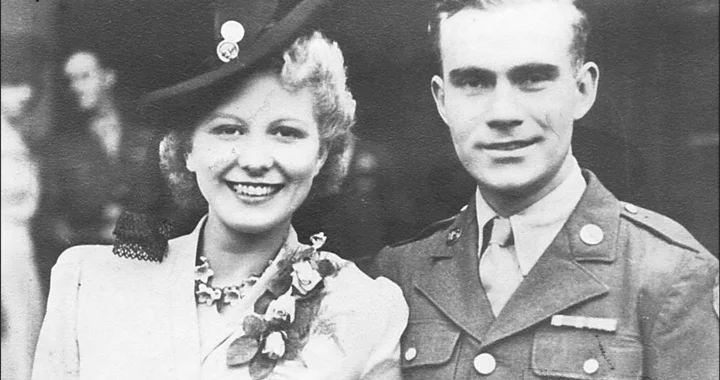
In 1945, as the world celebrated the end of the conflict, thousands of these brides arrived in the United States. Among them was Ivy “Johnny” Johnson, who crossed the Atlantic from London after marrying U.S. soldier Ray Olsen. Their journey was emblematic of countless others, as many veterans returned home with brides from war-torn countries like England, France, and Italy.
The Journey of War Brides
The experiences of these women were often marked by challenges and emotional farewells. Johnny, who had worked as a postal service member in London, recalled a poignant goodbye to her family on a rainy March morning in 1946. She traveled with other war brides, sharing in their tears and hopes for a new life. Upon reaching New York Harbor, Johnny marveled at the sights and sounds of America, purchasing three pairs of high-heeled shoes during a brief layover in Chicago, a symbol of newfound freedom and the end of wartime austerity.
Lou McCornack Butler, another war bride, spoke of her journey from England to the United States. At just nineteen, she left her home, carrying the weight of loss after her husband was killed on D-Day. Lou’s story illustrates the resilience many war brides displayed as they adapted to life in a foreign country.
“Ten long years brought an end to a path of destruction and horror,” Lou reflected, highlighting the transformation that war brides experienced as they embraced new customs and faced the uncertainties of their future.
Building New Lives in Eureka
The small city of Eureka in Humboldt County became a new home for many of these brides. There, they formed connections with the local community, which welcomed them with open arms. Joyce Bryan, who married Murl Francis Bryan, remembered the warmth of the community as they settled in. “We were all warmly welcomed by the community,” she stated, expressing her eagerness to learn about her new surroundings.
As the war brides navigated their new lives, they also celebrated their heritage through the creation of the World Friendship Club in 1947. Spearheaded by Lou and other brides, the club aimed to foster connections among women who shared similar experiences. They organized events, raised funds for local charities, and provided support for one another as they adjusted to life in America.
The club soon expanded its membership to include other foreign-born brides, reflecting the diverse backgrounds of women who arrived in the United States post-war. Meetings became a tapestry of shared stories, laughter, and cultural exchanges, as members learned about each other’s customs and traditions.
Johnny, who became the club’s in-house pianist, described the gatherings as a source of strength. “We became a band of sisters,” she reflected, emphasizing the bonds formed through shared experiences of homesickness, pregnancies, and the challenges of adapting to a new culture.
Their efforts extended beyond social gatherings, as the club engaged in community initiatives, including fundraisers for the March of Dimes, local civic matters, and various charitable donations. The war brides not only assimilated into their new environment but also actively contributed to the growth and development of their communities.
The legacy of these women, who left their homes to embark on a journey of love and resilience, is celebrated today in Humboldt County. Their stories serve as a reminder of the strength found in connection and the profound impact of cultural exchange on communities.
As we reflect on the contributions of war brides like Johnny, Lou, and Joyce, it becomes clear that their journeys were not just about finding love; they were about building lives, forging friendships, and creating a shared history that continues to resonate in the present. The World Friendship Club, now celebrating its sixtieth anniversary, stands as a testament to the enduring bonds formed during a tumultuous time in history.
Through their stories and experiences, these women have woven a rich tapestry of history that adds depth to Humboldt County’s heritage, reminding us of the transformative power of love and community in times of change.