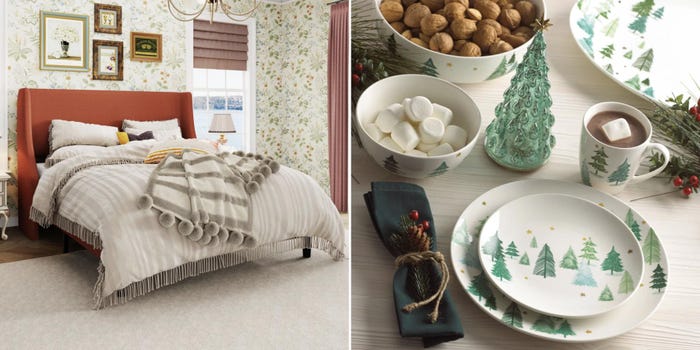
Interior designers emphasize the importance of layering as a fundamental principle in creating inviting and personalized spaces. Layering goes beyond merely stacking objects; it involves combining various textures, shapes, and materials to bring depth and warmth to a room. Without this technique, spaces may appear polished yet lack the authenticity that comes from a sense of habitation.
According to Sarah Hart, owner and principal designer at Sarah Hart Interior Design in Charleston, layering is essential for achieving a balanced and sophisticated look. She describes it as the art of combining contrasting elements to create a visually dynamic environment. Hart notes that without layering, especially in luxury homes, a space can feel flat and uninviting.
Designers employ various strategies to infuse depth into interiors, ensuring that each room reflects both style and functionality. Here are ten approaches that professionals recommend.
Establishing a Strong Foundation
The first step in layering is establishing a solid base. According to Madelynn Hudson of M.H. Interiors, this foundation includes elements like rugs, wall colors, and architectural features that set the tone for the entire space. She urges designers to focus on this critical layer before adding any decorative accents, stating, “When this layer is right, everything else has a clear direction.”
Softening Hard Edges
Incorporating textiles is a familiar yet effective strategy for softening the harsh lines of architecture. Lauren Carlucci from her studio bridging New York and Wyoming explains that textiles can mitigate the severity of hard surfaces while adding warmth. She recommends mixing various fabrics, such as layering a wool rug over sisal or combining different textile types within the same area, to create a richer texture.
Combining Materials Thoughtfully
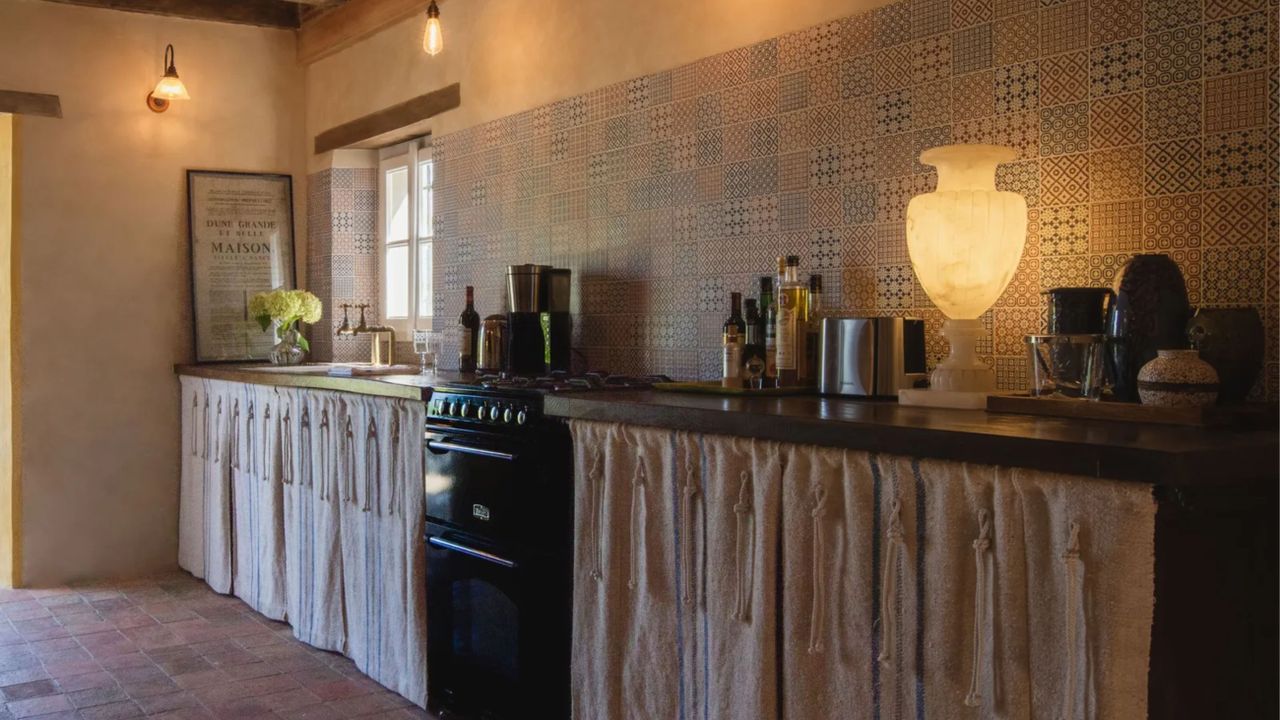
Layering is not just about adding more objects; it’s also about introducing contrasting materials. Madelynn Hudson emphasizes the importance of intentional material choices, noting how different materials can create visual interest. The juxtaposition of stone, metal, wood, and textiles can evoke a sense of depth and richness, especially in spaces like kitchens and bathrooms where textiles may be limited.
Creating a Dynamic Lighting Scheme
Effective lighting is key to enhancing the layered feel of a space. Jess Weeth highlights the need for diverse lighting sources, such as sconces, lamps, and accent lighting, to create a warm and inviting atmosphere. She advises that each significant piece of art or furniture should have its own light source, rather than relying solely on overhead fixtures.
Exploring Shape and Scale
Mixing different shapes and sizes can add visual movement and prevent a room from feeling static. Hudson suggests pairing curvy forms with linear pieces and balancing large items with smaller ones. This strategic approach to placement keeps the design from becoming overly symmetrical and encourages a more lively aesthetic.
Balancing High and Low Elements
The concept of mixing high-end and budget-friendly items can elevate the overall design. Dan Mazzarini, principal designer and creative director at Mazzarini & Co., advocates for placing luxury pieces alongside more accessible decor. This blend not only enhances the appeal of less expensive items but also creates a more inviting atmosphere.
Integrating Vintage and Contemporary Styles
Combining old and new pieces can infuse character and depth into a space. Carlucci notes that vintage items can provide a sense of history, while contemporary pieces bring a fresh perspective. This blend ensures that each piece retains its relevance, making the space feel curated and lived-in.
Utilizing Books as Decorative Layers
Layering with literature is another innovative approach. Cheryl Stauffer uses books as foundational elements when styling various surfaces. She suggests starting with a collection of books, mixing colors and sizes to create visual interest, and then adding decorative items to complete the look.
Incorporating Pleats and Skirts
Pleated and skirted furniture can serve as a pre-layering technique, adding volume and softness to a room. Jess Weeth notes the resurgence of pleats and skirts in contemporary design, highlighting their ability to transform a piece without the need for a complete overhaul.
Personalizing the Space
Ultimately, layering allows for personal expression within a design. The gradual accumulation of items, such as travel souvenirs or family heirlooms, can make a space feel truly unique. Hudson emphasizes the importance of incorporating personal touches, stating, “These are often the lightest touches but carry the most emotional weight.”
Layering is not merely a decorative strategy; it is a way to cultivate a space that feels authentic and inhabited. By starting with a strong foundation and thoughtfully introducing contrasting elements, designers can create inviting environments that reflect individual personality and style.