As we approach 2026, interior designers are highlighting certain kitchen layouts that are becoming increasingly unpopular. While elements like cabinetry and color often dominate discussions about kitchen aesthetics, the layout itself plays a crucial role in creating a functional and inviting space. Designers assert that specific outdated configurations are no longer suitable for modern living, as the way we utilize our kitchens has evolved.
Many kitchens are now viewed as multifunctional spaces that serve not just cooking, but also socializing and gathering. Designers like Becky Shea and Kristina Khersonsky emphasize that layouts which impede these activities are falling out of favor. Here are three kitchen layouts that are considered dated and what alternatives designers suggest.
Avoiding the Double Island Layout
The double island layout has gained some popularity in large kitchens, primarily for the additional storage and surface space it provides. However, this configuration can create a disjointed feel in the kitchen, making it less cohesive.
Becky Shea points out that while double islands may have worked in expansive open layouts, they often detract from the kitchen’s intended purpose. She remarks, “I feel we’ll be moving away from that layout in 2026. It often feels a bit odd and disjointed, making the space less cohesive and harder to navigate.”
In a similar vein, Kristina Khersonsky notes that while double islands can offer scale, they often lack the functionality that modern kitchens require. “Design is shifting back toward intentionality and connection,” she explains. Instead of filling empty spaces with oversized islands, designers advocate for more functional, human-scale alternatives.
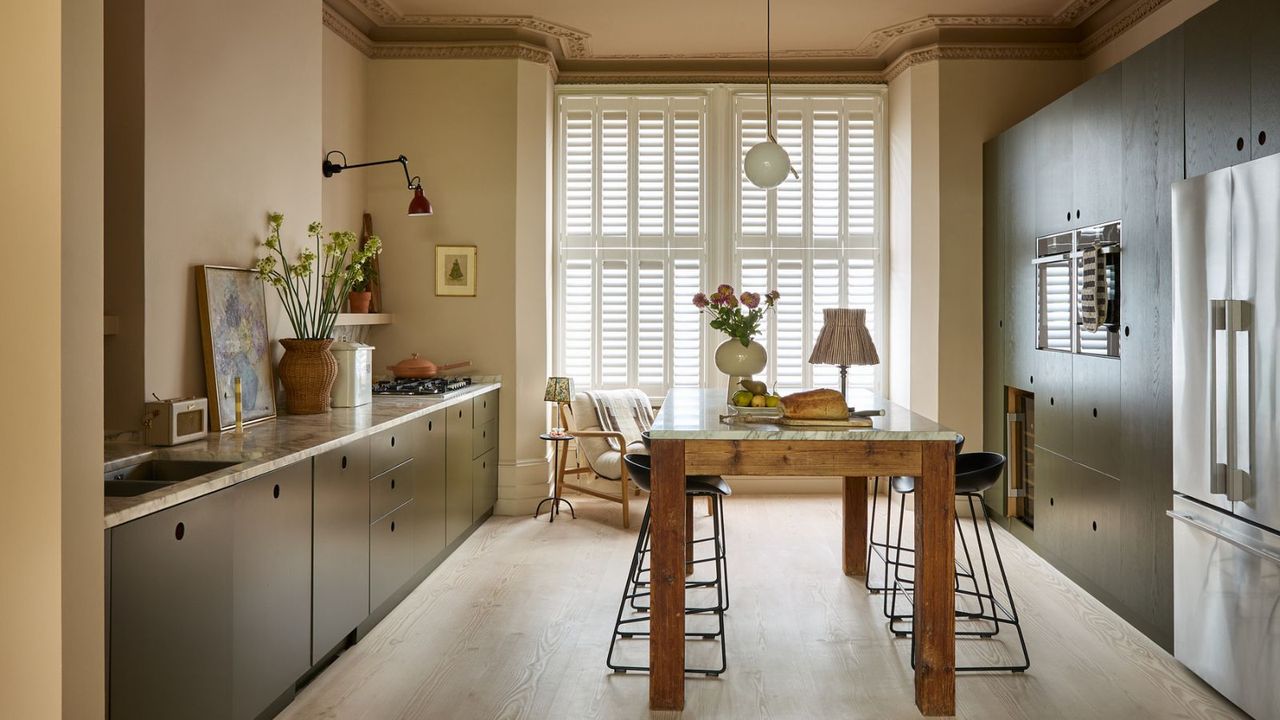
For instance, Laura Stephens suggests considering smaller, more versatile options such as butcher-block-style tables on wheels or softer islands that blend seamlessly into the kitchen environment. These alternatives foster a gathering space rather than an overwhelming design feature.
Rethinking Unsociable Kitchen Configurations
Kitchens are increasingly regarded as the heart of the home, a place for family and friends to gather. As such, layouts that lack dedicated social zones are becoming less appealing. According to Kathy Kuo, “People are gravitating away from kitchens that lack dedicated zones to congregate and socialize.”
Designers recommend incorporating cozy seating areas and drink stations to enhance social interaction. Even smaller kitchens can benefit from clever design tweaks, such as adding a petite breakfast nook or bar stools tucked under the counter.
Kuo emphasizes the importance of creating spaces that encourage conversation, even while cooking. For instance, small adjustments, such as a round dining table or comfortable bar seating, can significantly increase the usability of a kitchen.
Moving Away from Overly Open-Plan Kitchens
The trend of open-plan layouts has dominated kitchen design for years, but designers are now advocating for a more defined approach. Ethan Charles believes that, as we approach 2026, there will be a shift away from layouts that lack clear boundaries. He states, “People want connection, but they also want the ability to close off or visually separate spaces.”
Achieving a sense of separation does not require rebuilding walls; instead, designers recommend using rugs, glass dividers, or strategically arranged furniture to create distinct areas within an open space. This reimagined approach allows for a more inviting environment, especially during colder months when an overly open layout can feel unwelcoming.
The focus on kitchen design is shifting toward creating intentional spaces that foster social interaction and connection. As trends evolve, designers encourage homeowners to prioritize functionality and comfort, ensuring that kitchens remain vibrant and welcoming hubs for family life.
In conclusion, as the kitchen landscape continues to change, avoiding these dated layouts can help create a space that is both stylish and functional. By embracing designs that encourage interaction and flow, homeowners can ensure their kitchens remain relevant and inviting well into the future.