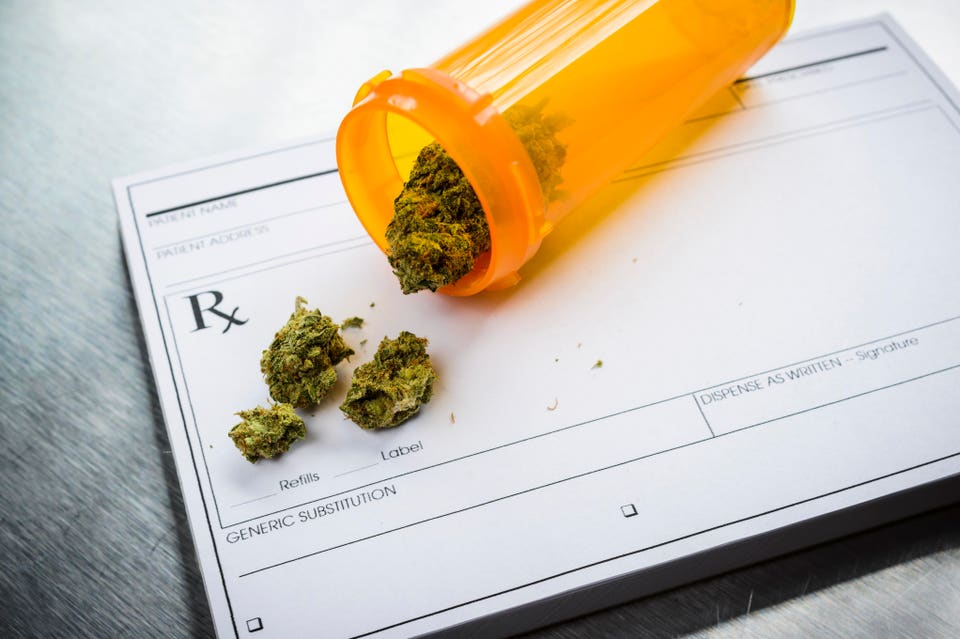
Congress recently passed a funding bill aimed at preventing a government shutdown, but it has drawn attention for the absence of a significant provision: the ability for Veterans Administration (VA) doctors to recommend medical cannabis to their patients. While the bill included provisions to redefine hemp and ban intoxicating cannabinoids, it left out bipartisan measures that had received approval from both the Senate and the House of Representatives earlier this year.
The proposed legislation would have prohibited the VA from using its budget to enforce regulations that prevent its doctors from discussing or recommending medical cannabis. Advocates for cannabis policy reform have expressed disappointment at this omission, as many veterans seek cannabis for relief from service-related medical conditions.
Adam Smith, executive director of the Marijuana Policy Project (MPP), criticized the decision, calling it “straight cruelty.” He noted that many veterans utilize cannabis to alleviate physical pain or combat the trauma associated with PTSD. “Denying those doctors the right to consult with their patients around cannabis use is nonsensical,” he stated, emphasizing the need for veterans to access all available treatment options.
Morgan Fox, political director for the National Organization for the Reform of Marijuana Laws (NORML), also condemned the decision. He highlighted the timing of the funding bill announcement, which came just before Veterans Day. Fox remarked, “The absence of this provision is incredibly disappointing,” describing the legislation as uncontroversial and long overdue to assist veterans in finding relief.
The legislative initiative faced challenges even before the funding bill vote. Senator Jeff Merkley of Oregon attempted to introduce an amendment to allow VA doctors to issue medical marijuana recommendations. However, this amendment was denied a vote by Republican leadership in the Senate. Merkley asserted that veterans should have access to the same medical advice and options as other patients, condemning the exclusion of the provision as “plain cruel.”
The lack of provisions regarding medical cannabis comes despite a broader governmental openness to exploring alternative therapies for veterans. The administration under former President Donald Trump had indicated a willingness to consider these options, including psychedelics for treating mental health issues. In June, Robert F. Kennedy Jr., Secretary of the Department of Health and Human Services, testified that clinical trials were being launched to explore these treatments, citing encouraging preliminary results.
While the funding bill has been signed into law, the exclusion of medical cannabis recommendations for veterans remains a contentious issue. Advocates continue to push for legislative changes that would allow VA doctors to provide comprehensive care, including discussing the potential benefits of cannabis use as part of a broader treatment strategy. The ongoing dialogue underscores the need for policies that support veterans in accessing effective medical options to address their unique health challenges.