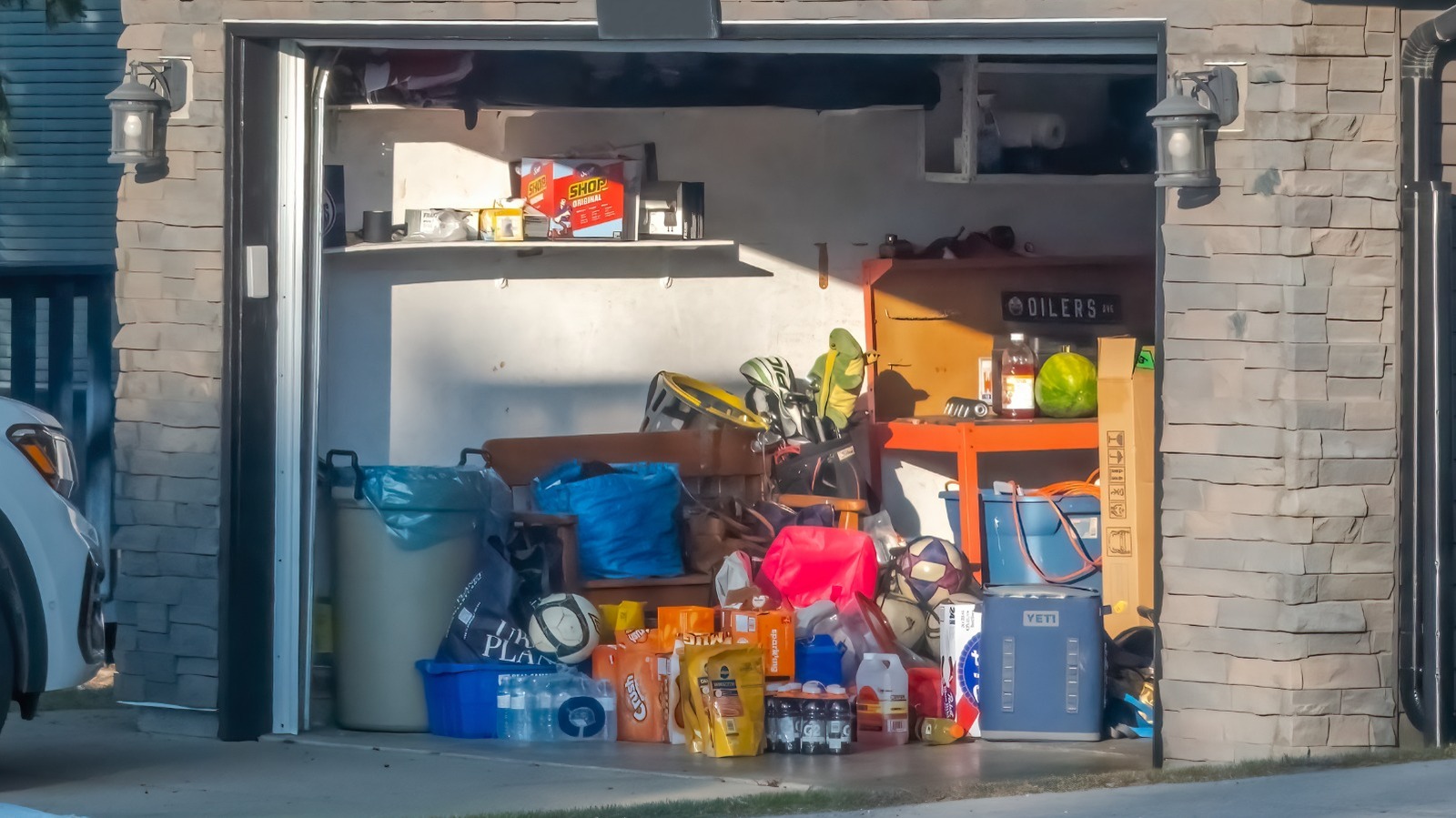
Many homeowners and renters find their garages overflowing with items that are no longer useful. This accumulation can lead to unnecessary clutter and stress. Experts suggest that taking the time to clear out certain items can not only free up valuable space but can also create a safer environment.
Time to Declutter: Batteries and Their Risks
One of the most common items taking up space in garages is old batteries. While they may seem like a reliable backup, batteries have a limited shelf life and can expire after a few years. Even if they are stored with the intent to use them later, they may no longer function or may not be compatible with newer devices. Furthermore, lithium batteries pose serious safety risks. They can bloat, leak, or even cause fires if damaged or improperly stored.
It is important to follow local regulations when disposing of batteries. Many jurisdictions require that batteries be placed in plastic bags or have their terminals covered with non-conductive tape before disposal. Check your state’s laws for specific guidelines to ensure safe and responsible disposal.
Expired Chemicals: Hazardous Waste in Your Garage
Garages often become the storage space for household chemicals, including cleaners, paints, and oils. While some of these products can last for years, they do have expiration dates. As these chemicals degrade, they may become ineffective or even hazardous. For instance, products like WD-40 can expire, losing their ability to perform as intended.
It is crucial to inspect these items regularly. If you find expired chemicals, dispose of them according to local hazardous waste guidelines. This ensures safety for both your home and the environment.
Another common hazard is oily rags. After use, these should never be left in a pile, as they can heat up and potentially ignite. Instead, air-dry them outside and store them in a fireproof, airtight container before taking them to a hazardous waste disposal site.
Boxes and Unused Storage: Creating More Space
While boxes can be useful for storing items, they can also take up significant space if left unchecked. Cardboard boxes from appliances or groceries often linger in garages long after their purpose has been served. Review these boxes to see if they are empty. If so, break them down and recycle them. Keep only a few for future use.
Plastic bins can also become unwanted clutter. Evaluate their contents and determine if they are necessary. If they hold items without significant value or importance, consider letting them go. Reducing the number of unused storage containers can greatly enhance the functionality of your garage.
Leftover Materials: Time to Let Go
DIY enthusiasts often keep leftover materials from past projects, from scrap wood to extra hardware. While it may be tempting to hold onto these items for future projects, if they haven’t been used in over a year, it might be time to part ways. Consider donating or selling these materials, allowing others to benefit while clearing your space.
In conclusion, taking the initiative to declutter your garage can significantly enhance your living space and reduce stress. By responsibly disposing of batteries, expired chemicals, excessive boxes, and leftover materials, you create a safer and more organized environment. Start today to reclaim your garage from clutter.