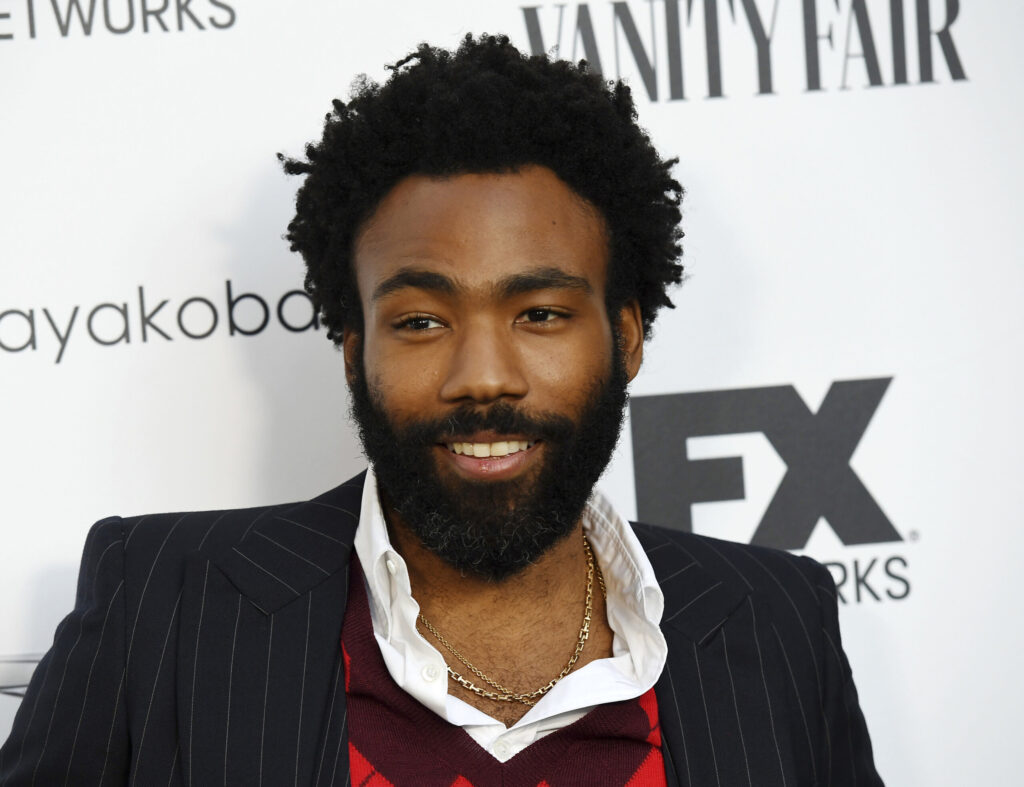
A rising number of young adults are experiencing strokes, a trend highlighted by the recent health scare of musician Donald Glover, who disclosed that he suffered a stroke last year. Glover, known by his stage name Childish Gambino, made this revelation during a performance at the Camp Flog Gnaw festival in Los Angeles, where he addressed the challenges he faced while on stage due to his condition. At just 42 years old, Glover is part of an alarming trend that has seen strokes increasingly impact individuals under the age of 50.
Dr. Mima Akinsanya, a board-certified neurologist and multiple sclerosis specialist at MedStar Georgetown, explains that the uptick in strokes among younger adults can be attributed to a rise in vascular risk factors. These factors include conditions that affect blood vessels, such as high blood pressure, diabetes, high cholesterol, and obesity. Dr. Akinsanya notes that these risk factors are becoming more prevalent even in those in their 20s and 30s.
Research from the Centers for Disease Control and Prevention indicates that the prevalence of strokes among young adults aged 18 to 44 increased by 14.6% from 2011-2013 to 2020-2022. Traditionally, strokes have been associated with older populations, particularly those over 65, making this shift noteworthy and concerning.
Recognizing the Signs of a Stroke
During his performance, Glover experienced symptoms that prompted him to seek medical attention. He reported difficulties with vision and headaches, leading to his diagnosis of a stroke. Dr. Akinsanya highlights that common signs of a stroke include weakness on one side of the body, facial drooping, and speech difficulties, which can manifest as slurred speech or trouble articulating words.
To aid in recognizing these symptoms, Dr. Akinsanya suggests using the acronym “FAST”:
– **F**: Facial droop
– **A**: Arm or leg weakness
– **S**: Speech changes
– **T**: Time to call emergency services
Immediate action is crucial when a stroke is suspected. Dr. Akinsanya urges individuals not to delay seeking medical help, as early intervention can significantly reduce the risk of permanent disability.
The impact of strokes on younger adults can be profound, affecting their ability to work and their overall quality of life. Dr. Akinsanya emphasizes that strokes can lead to lasting impairments, making preventive measures essential.
Preventing Strokes Among Young Adults
Preventative strategies can help mitigate the risk of strokes. Dr. Akinsanya emphasizes the importance of maintaining a healthy diet and regular exercise. She recommends the Mediterranean diet, which includes foods like leafy greens, fish, beans, and lentils, to help lower cholesterol and prevent arterial plaque buildup.
Regular check-ups with a primary care physician can facilitate monitoring of cholesterol levels and other risk factors. Dr. Akinsanya also advises incorporating at least 30 minutes of exercise daily, which can include activities such as jogging or brisk walking.
Substance use can also elevate the risk of stroke. The neurologist warns against smoking and vaping, as well as the use of stimulants like cocaine and methamphetamines, which can lead to vascular complications. She stresses the importance of having any prescribed stimulants closely monitored by a healthcare provider.
As the incidence of strokes continues to rise among younger populations, awareness and proactive health management become increasingly vital. The recent experiences of individuals like Donald Glover serve as a stark reminder of the importance of understanding and addressing health risks associated with stroke.