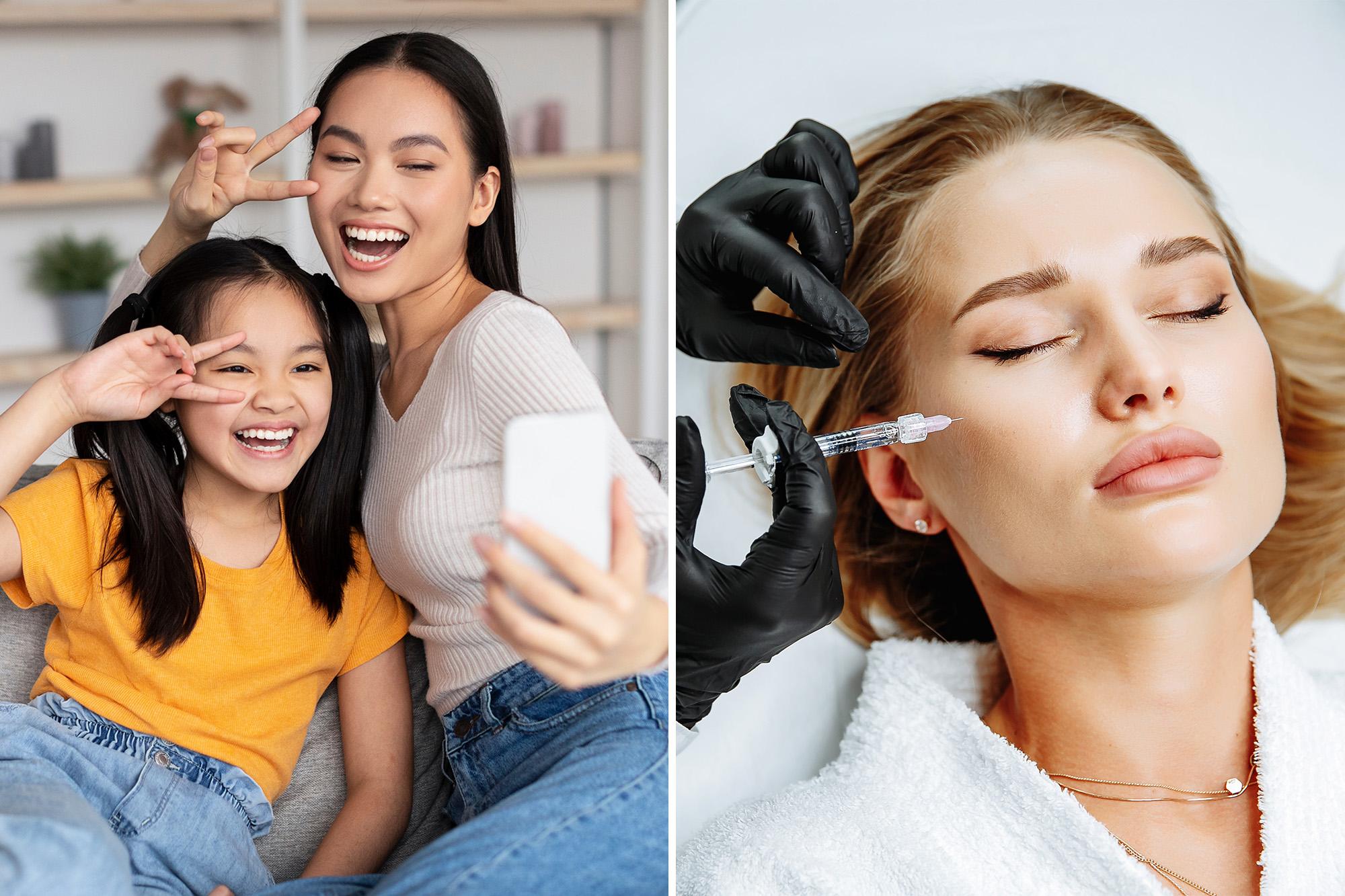
A recent study from China indicates that mothers who frequently take selfies may inadvertently influence their children’s views on cosmetic surgery. The research, published in the Journal of Health Psychology, examined 541 mother-child pairs and found a correlation between mothers’ “self-related behavior” and their children’s dissatisfaction with their physical appearance.
The study revealed that teenagers, averaging 16 years old, who were exposed to their mothers’ selfie habits were more likely to engage in “body surveillance.” This behavior can lead to a greater likelihood of considering plastic surgery as a means to improve their self-image. Although the study did not specify how many teenagers ultimately undergo such procedures, it emphasized that those who contemplate surgery are significantly more likely to proceed with it.
Researchers clarified that while there is no direct causation established between mothers taking selfies and their children’s considerations of cosmetic procedures, the mothers’ behaviors do appear to indirectly shape their offspring’s perceptions of beauty and body image. A separate study from Brigham Young University supports this notion, highlighting that mothers play a crucial role in influencing their children’s body image and self-perception.
The implications of these findings extend into broader societal concerns about beauty standards. In June 2023, social media influencer Noel LaPalomento faced criticism for taking her 7-year-old daughter Giada to a tanning salon, which many viewed as promoting unhealthy beauty ideals. Similarly, reality television star Kim Kardashian received backlash after her daughter, North West, appeared in a TikTok video adorned with a nose ring, fake tattoos, and grills, raising further questions about the pressures placed on young children regarding their appearance.
Research from the University of Palermo also points to issues surrounding selfie culture, linking it to narcissism and other dysfunctional personality traits. The study indicated that daughters who viewed their mothers as less caring and more overprotective were more likely to experience body dissatisfaction.
As the influence of social media continues to grow, the findings of this study may prompt discussions about parental roles in shaping body image perceptions among children. The relationship between mothers and their selfie habits appears to be a significant factor in how their children perceive beauty and self-worth, potentially leading to serious decisions about cosmetic surgery in adolescence.