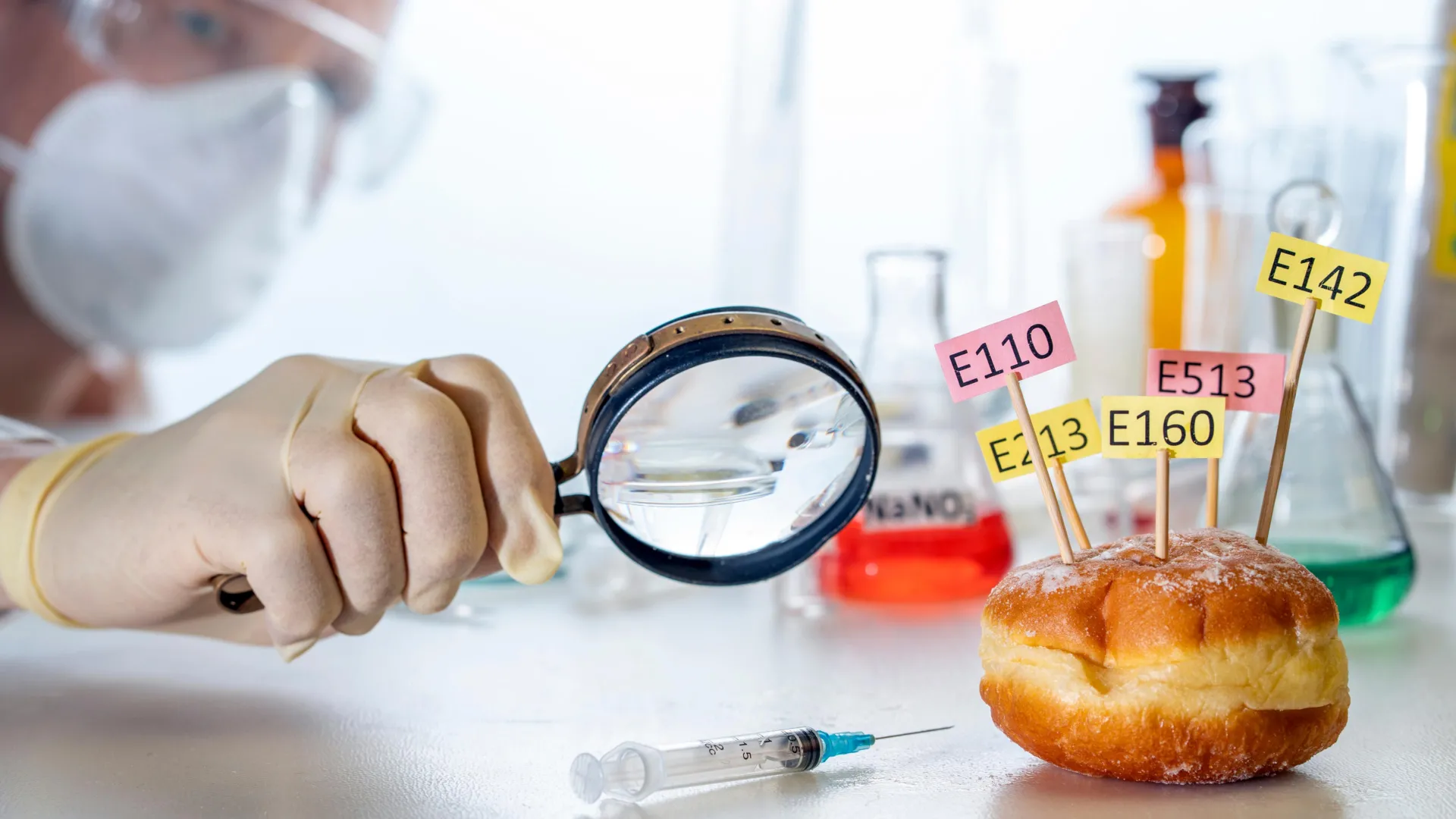
A comprehensive study conducted in France has revealed a potential link between the consumption of certain food preservatives and an increased risk of cancer. This research, published by the BMJ Group on January 27, 2026, tracked over 100,000 individuals over a decade, highlighting specific preservatives found in many processed foods and drinks that may contribute to this health risk.
The study involved 105,260 participants aged 15 and older, with an average age of 42 years, and 79% of the cohort being women. All participants were cancer-free at the study’s onset and provided detailed dietary records for an average of 7.5 years. Cancer diagnoses were monitored through health questionnaires and official medical records up to December 31, 2023.
Findings on Food Preservatives
The research examined 17 different preservatives, including potassium sorbate, sodium nitrite, and potassium nitrate. While the overall analysis did not show a significant link between all preservatives combined and cancer risk, specific additives did raise concerns. Notably, potassium sorbate and sodium nitrite were associated with increased cancer risks, particularly in breast and prostate cancers.
During the follow-up period, 4,226 participants were diagnosed with cancer, including 1,208 cases of breast cancer and 508 cases of prostate cancer. The results indicated that higher intake of potassium sorbate was linked to a 14% increased risk of overall cancer and a 26% higher risk of breast cancer. Similarly, sodium nitrite was associated with a staggering 32% higher risk of prostate cancer.
Implications for Food Safety and Consumer Choices
The researchers emphasized the importance of these findings, suggesting they could prompt a reevaluation of current safety standards for food preservatives. They noted that while preservatives play a vital role in extending shelf life and reducing food waste, there is an urgent need for regulatory scrutiny regarding their long-term health impacts.
The study’s authors concluded, “This study brings new insights for the future re-evaluation of the safety of these food additives by health agencies, considering the balance between benefit and risk for food preservation and cancer.” They advocate for food manufacturers to minimize unnecessary preservatives and encourage consumers to opt for fresh, minimally processed foods when possible.
In an accompanying editorial, researchers from the United States acknowledged the benefits of preservatives, particularly for lower-income populations who rely on affordable food options. However, they stressed the need for a balanced regulatory approach, which may include stricter limits on preservative use, clearer labeling, and enhanced monitoring similar to guidelines established for trans fats and sodium.
As the debate continues, public health guidance already emphasizes reducing the intake of processed meats and alcohol, providing actionable steps for consumers while further research on the carcinogenic effects of preservatives is conducted. This study serves as a crucial step in understanding the implications of food additives on health, urging both policymakers and consumers to reconsider their choices.