The rise in usage of GLP-1 weight loss drugs has significantly influenced restaurant spending, as consumers increasingly seek convenient meal solutions. Eateries are responding by adapting their menus to cater to this new demographic, which prioritizes healthier, low-calorie options. As a result, many restaurants are experiencing an uptick in business as they capitalize on this growing trend.
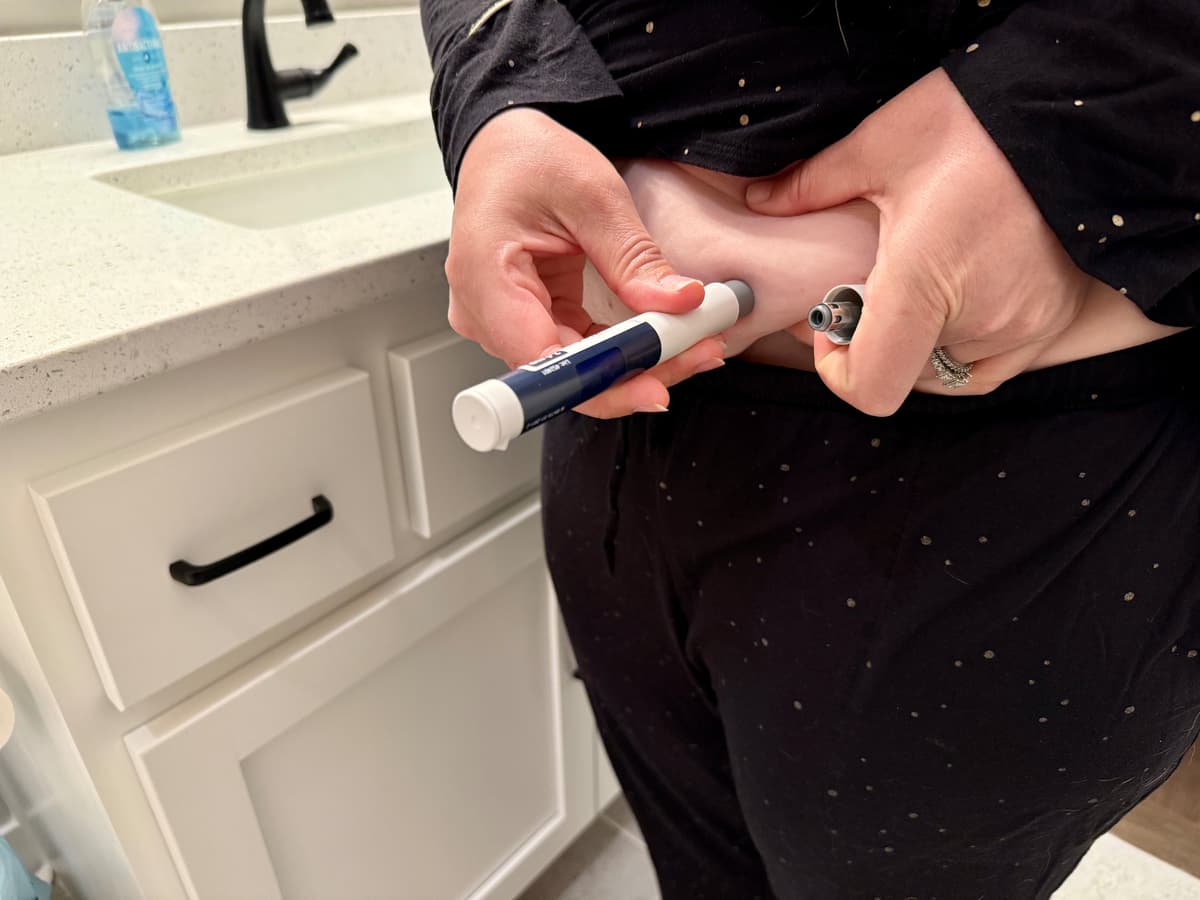
GLP-1 medications, which include drugs like semaglutide and liraglutide, have gained popularity for their effectiveness in promoting weight loss. According to data from the American Medical Association, prescriptions for these drugs have surged, leading to a shift in consumer preferences. As many users find it challenging to prepare their own meals, there is a noticeable increase in dining out and ordering in.
Restaurant owners are recognizing the potential in this market and are adjusting their offerings. Many establishments are introducing new menu items that align with the dietary goals of GLP-1 users. These changes often include meals that are lower in calories and rich in nutrients, addressing the specific needs of customers who are focused on weight management.
Adaptation and Innovation in the Restaurant Sector
The restaurant industry is known for its ability to adapt to changing consumer preferences. In 2023, the impact of GLP-1 drugs on dining habits has prompted a wave of innovation. Chefs and restaurant managers are experimenting with ingredients that support weight-loss goals while still delivering on taste and variety.
For instance, some eateries are incorporating more plant-based dishes and lean proteins into their menus. Others are offering customizable options, allowing diners to choose ingredients that fit their dietary restrictions and preferences. According to a survey conducted by the National Restaurant Association, nearly 60% of respondents indicated that they are more likely to dine out if healthier meal options are available.
As restaurants make these adjustments, they are not only attracting GLP-1 users but also appealing to a broader audience interested in healthier eating habits. This trend has contributed to a significant increase in restaurant sales, with reports indicating a growth of approximately 10% in the food service market over the past year.
Consumers are also driving this change through their purchasing behaviors. The convenience of dining out or ordering food has become more appealing for those using GLP-1 medications, who often experience reduced appetite and may not want to spend time cooking. Restaurants that offer quick, healthy, and satisfying meals are seeing an increase in foot traffic and online orders.
The Broader Implications for Health and Wellness
The implications of this trend extend beyond the restaurant industry. As more individuals turn to GLP-1 drugs for weight loss, there is a growing awareness of the importance of maintaining a balanced diet. Nutritionists emphasize that while these medications can assist in weight management, a healthy lifestyle should also include regular physical activity and mindful eating practices.
Moreover, the increased restaurant spending among GLP-1 users highlights the intersection of health and consumer behavior. As the market continues to evolve, businesses must remain attuned to the needs of their customers. This includes not only offering healthier meal options but also educating diners about nutrition and wellness.
In conclusion, the rise of GLP-1 weight loss drugs is reshaping the restaurant landscape. As eateries adapt their menus and cater to the needs of this growing customer base, they are witnessing a positive impact on their bottom line. This trend underscores the broader movement towards health and wellness in dining, reflecting changing consumer preferences and priorities in a post-pandemic world.