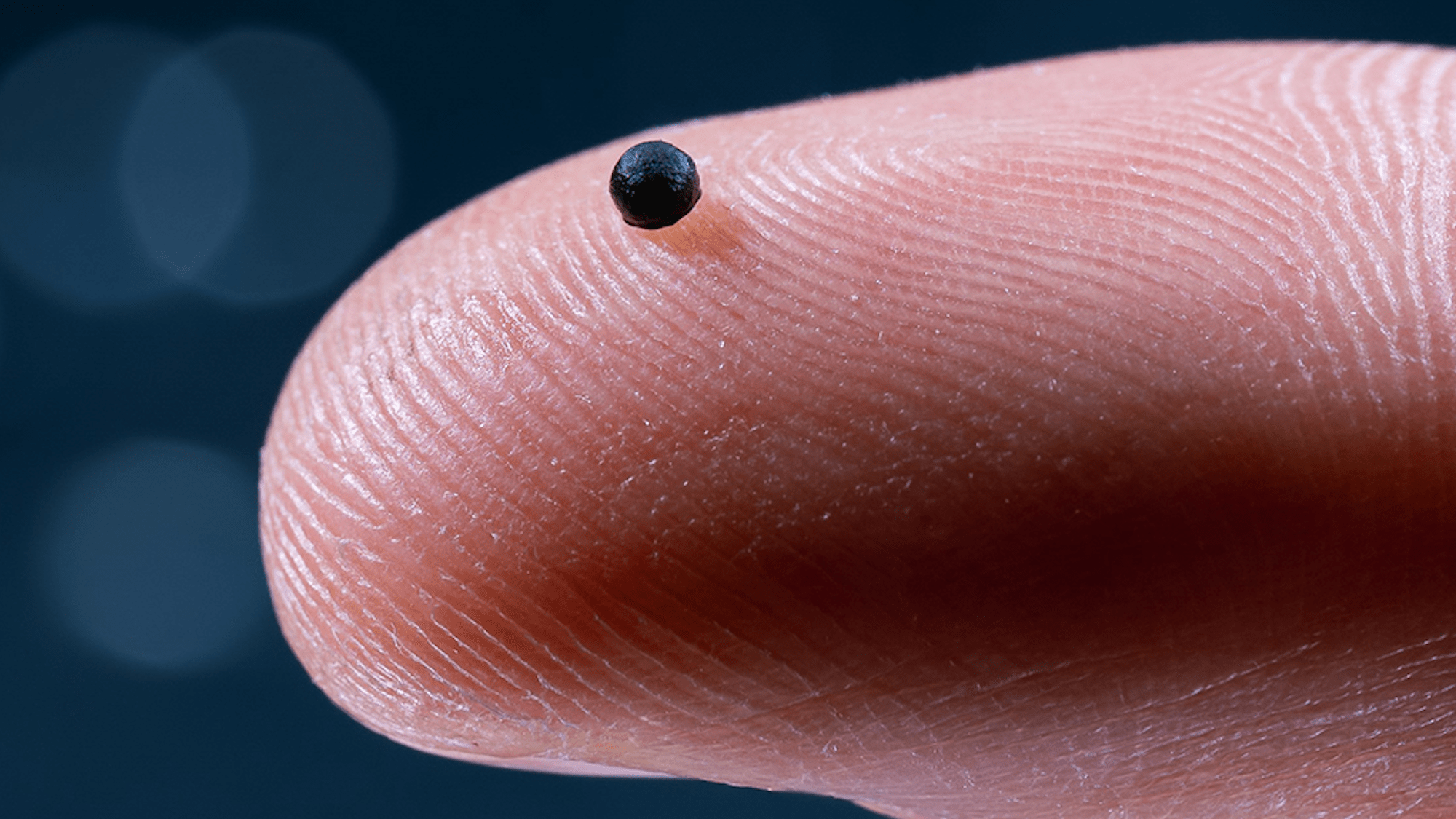
Research teams from Japan and China have developed a groundbreaking vascular stent that deploys at body temperature, eliminating the need for external heating. This innovative approach utilizes a 4D-printed vascular stent constructed from a shape-memory polymer composite, which offers a range of benefits for cardiovascular therapies.
The new stent design aims to enhance the safety and effectiveness of vascular treatments, making them less invasive and more manageable for patients. This advancement comes at a time when the demand for improved medical devices in cardiovascular healthcare is escalating.
Key Features and Benefits
The adaptive stent demonstrates several promising characteristics that could transform clinical applications. It offers mechanical flexibility, allowing it to conform to the natural shape of blood vessels. Additionally, its radial strength ensures that it can withstand the pressures of the vascular environment, while its biomechanical compliance helps it to function harmoniously within the body.
In both in vitro and in vivo experiments, the stent has shown significant potential in terms of cytocompatibility. This means that it is well-tolerated by the body, reducing the risk of adverse reactions when implanted. As a result, the stent could lead to improved patient outcomes and shorter recovery times.
The research highlights a significant advancement in the field of vascular interventions. Traditional stents often require external heating for deployment, which can complicate procedures and increase associated risks. By eliminating this requirement, the new 4D-printed stent could streamline surgical processes and enhance patient safety.
Future Clinical Applications
Looking ahead, the implications of this technology are profound. The versatility of the shape-memory polymer composite used in the stent design allows for further customization, potentially leading to stents tailored to specific patient needs. Such advancements could redefine standards in vascular treatment, paving the way for more effective and patient-friendly solutions.
As the research continues, the collaboration between Japanese and Chinese scientists exemplifies the global effort to innovate in medical technology. The next steps will involve further testing and regulatory approvals before the stent can be made available in clinical settings.
Overall, this novel approach to vascular stenting represents a significant leap forward in minimizing the invasiveness of cardiovascular therapies while enhancing safety and efficacy. With continued research and development, these 4D-printed stents may soon play a crucial role in improving patient care in the field of cardiovascular medicine.