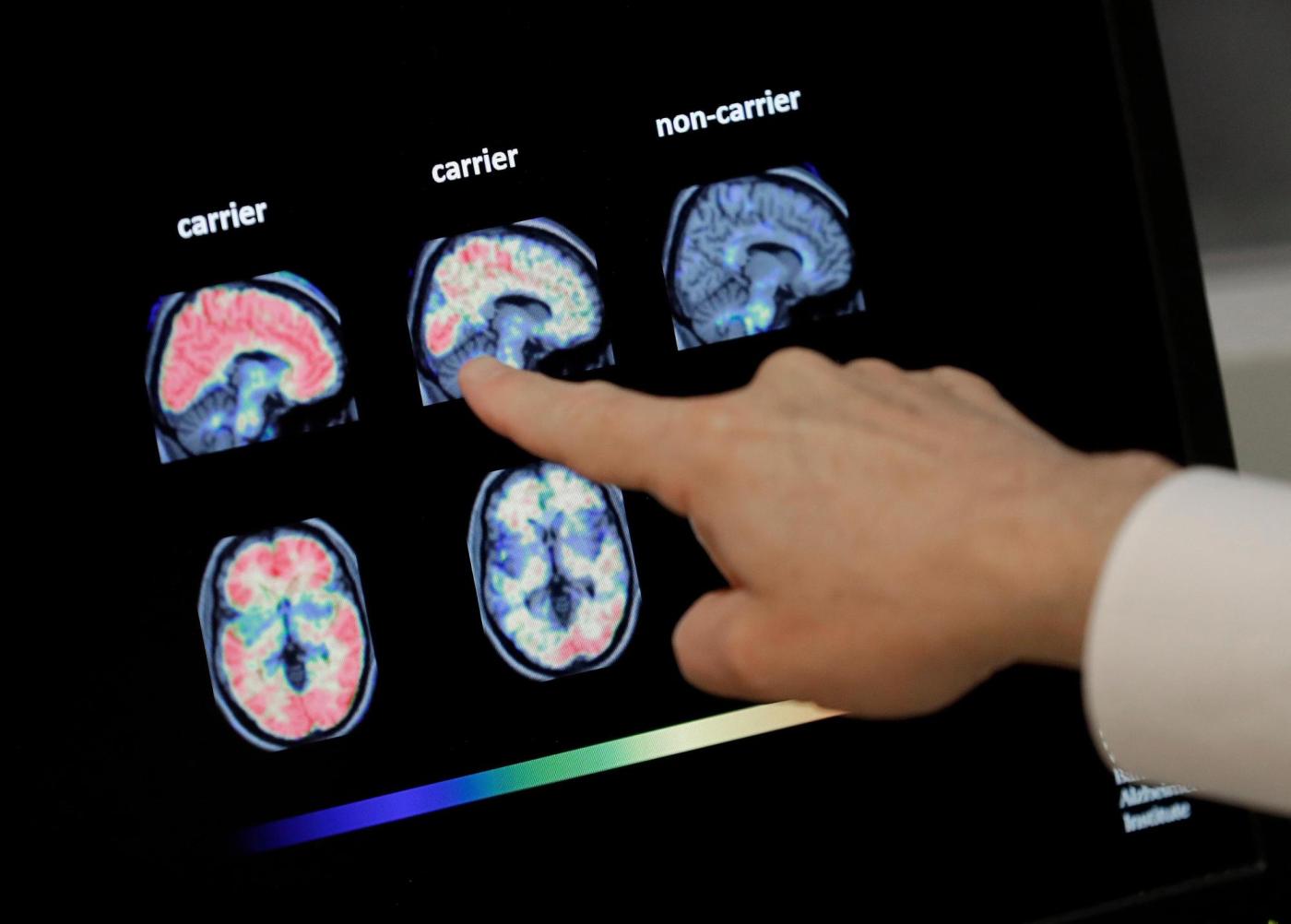
A recent study from the Boston University CTE Center has revealed a significant connection between chronic traumatic encephalopathy (CTE) and dementia. The research indicates that individuals diagnosed with CTE, particularly those who have sustained repetitive head impacts, face a fourfold increase in the likelihood of developing dementia. This groundbreaking finding marks a critical turning point in understanding the long-term effects of head injuries, particularly in sports and military contexts.
The implications of this study are profound, as they not only affect those currently suffering from CTE but also their families and caregivers. The concern about a potential dementia diagnosis adds urgency to the conversation surrounding head injuries and their aftermath. Currently, over 11 million adults in the United States provide unpaid care for someone with a form of dementia, according to the Centers for Disease Control and Prevention (CDC). In just 2023, these caregivers contributed approximately 18.4 billion hours of care.
As the population ages, the National Institutes of Health (NIH) estimates that new cases of dementia could double by 2060. The economic burden of Alzheimer’s disease and related dementias is projected to reach $781 billion this year in the U.S. This staggering figure highlights the urgent need for comprehensive strategies to address both the medical and economic challenges posed by dementia.
Addressing the Growing Crisis
The National Institute on Aging (NIA) has emphasized the increasing need for specialized care facilities, noting that fewer than 5% of nursing home beds currently cater specifically to dementia patients. This shortage presents additional challenges as the demand for caregiving services rises. The combination of more dementia cases and insufficient specialized care could lead to a healthcare crisis if not addressed promptly.
Research breakthroughs in treating dementia, particularly in slowing cognitive decline in early-stage Alzheimer’s, offer some hope. Dr. Alosco, a key researcher in the Boston University study, stated, “Establishing that cognitive symptoms and dementia are outcomes of CTE moves us closer to being able to accurately detect and diagnose CTE during life, which is urgently needed.” This highlights the importance of funding and focus on research related to CTE and dementia.
Urgent Call for Legislative Action
The findings of this study necessitate immediate action from policymakers. Research into the predictors of dementia and effective treatments must become a legislative priority. The approach to addressing CTE should extend beyond treatment; it requires an emphasis on prevention through enhanced protective measures in sports and military practices.
The potential to mitigate the future impact of dementia is significant. With proactive measures similar to those taken during the COVID-19 pandemic, there is an opportunity to invest in research and support for caregivers. This is not merely a political issue; it is a matter of public health that demands collective effort.
As the nation confronts this looming crisis, it is imperative to prioritize solutions over political divisiveness. The future health of millions depends on our commitment to addressing the challenges posed by CTE and dementia collectively. The time for action is now.