In Pennsylvania, an investigation has emerged regarding a significant increase in the number of adolescents receiving puberty blockers, raising questions about potential fraudulent billing practices. Between January 1, 2013, and December 31, 2024, more than 220 claims for puberty blockers were reimbursed for minors aged 10 to 13 under the billing code E30.1, designated for precocious puberty, costing taxpayers over $1.8 million. This spike has drawn scrutiny from the U.S. Department of Justice, which is examining whether the billing code has been misused by medical professionals to secure insurance coverage for gender-affirming treatments.
The data indicates a staggering growth in claims, with the number of reimbursements for the 10-13 age group rising from zero to 47 claims in just a few years. According to Dr. Kurt Miceli, medical director at Do No Harm, this increase is highly atypical and suggests that the diagnosis of precocious puberty may be manipulated for billing purposes. “A spike of this magnitude in the diagnosis of precocious puberty — especially among children past the usual age — raises the very real possibility that the diagnosis has been used as a billing workaround,” Dr. Miceli stated.
Central Precocious Puberty is caused by an overactivity of the pituitary gland, which leads to premature sexual development. Medical professionals generally expect such diagnoses in children aged 8 and younger. Dr. Roy Eappen, an endocrinologist and fellow at Do No Harm, expressed concern over the unusual rise in claims, stating it is more likely to occur in infectious diseases rather than in endocrine disorders.
Dr. Quentin Van Meter, a pediatric endocrinologist and former president of the American College of Pediatricians, noted that diagnosing precocious puberty at age 10 is “very, very rare.” He emphasized that children placed on puberty blockers at age 11 and older are typically not treated for precocious puberty but may be misclassified to obtain treatments for gender dysphoria. “You’re basically trying to block true puberty, which you shouldn’t do,” Dr. Van Meter remarked, indicating that the data could be more informative if it detailed the ages at which children were diagnosed and began treatment.
The Pennsylvania Department of Human Services reported an increase of more than 2,100 percent in reimbursements for puberty blocker claims using the E30.1 code from 2013 to 2017. Claims for minors under 18 rose from $34,906 in 2013 to $786,728 in 2017. Notably, there were no reimbursements for puberty blockers under this code from 2010 to 2012.
An additional dataset revealed that Pennsylvania spent over $76 million on puberty blocker medications for minors aged 18 and under from January 1, 2020, to December 31, 2024, with an average cost per claim exceeding $11,200. The data also indicated more than 1,000 claims for minors aged 14 to 18 and more than 1,900 claims for those aged 10 to 13.
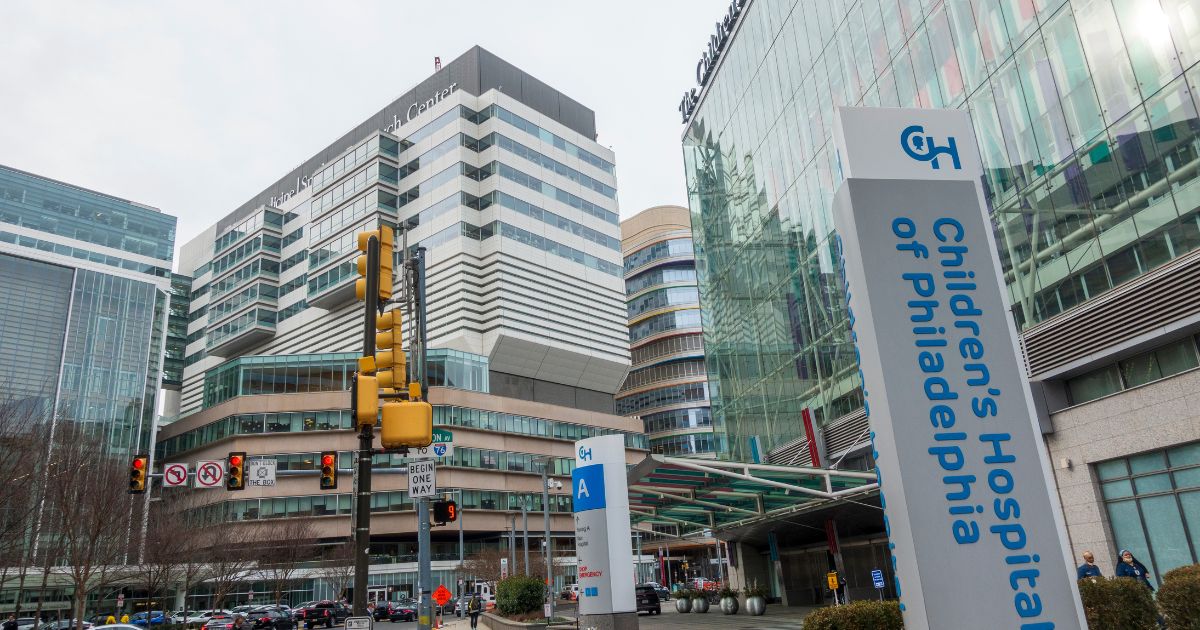
As the investigation continues, the Department of Justice is actively probing potential fraud related to puberty blockers in Pennsylvania and several other states. In an official court filing, the DOJ noted that initiating treatment with puberty blockers at age 10 or older under the diagnosis of precocious puberty raises serious concerns about fraud. In June 2025, more than 20 providers involved in administering gender-affirming procedures were subpoenaed, including the Children’s Hospital of Philadelphia and Boston Children’s Hospital.
The DOJ’s analysis revealed that approximately 250 minors at the Children’s Hospital of Philadelphia were diagnosed with Central Precocious Puberty at age 10 or older from 2017 to 2024. The court filing stated, “There is no clear explanation for why BCH would go from diagnosing almost no 11-year-olds with CPP in the years 2017-19 to diagnosing 50 11-year-old patients with CPP in 2022.”
While puberty blockers are approved by the Food and Drug Administration for treating precocious puberty, they are not authorized for gender dysphoria treatment, which can lead to costs that are prohibitively high for many families. Nadia Dowshen, co-founder and co-medical director of the CHOP Gender Clinic, noted in a 2018 National Institutes of Health conference that without insurance coverage, these treatments are financially inaccessible for most families.
In July 2025, the Children’s Hospital of Philadelphia filed a motion to dismiss a DOJ subpoena, claiming it infringed on patient privacy rights. The DOJ responded by asserting that the requested patient information was essential for determining whether improper billing codes had been used fraudulently. “Linking each patient’s clinical record to corresponding billing and insurance claims can demonstrate whether diagnoses were miscoded, which can prove fraudulent intent,” the DOJ stated.
As the investigation unfolds, it highlights the complexities surrounding healthcare billing practices and the ethical considerations involved in treating minors with potentially life-altering medications. The implications of these findings could have lasting effects on healthcare policies and practices across the United States.