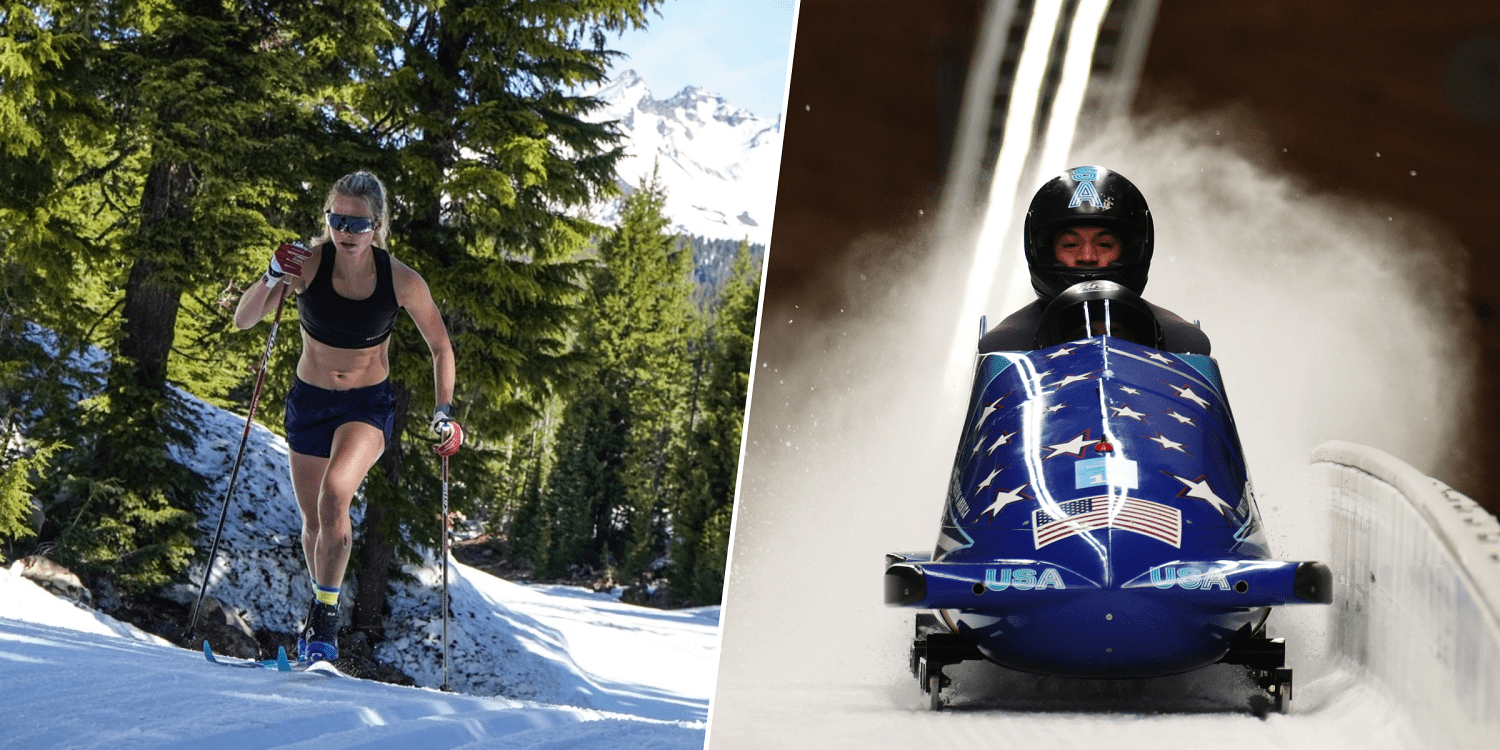
Nutrition plays a critical role in the training regimens of Olympic athletes, as evidenced by the insights shared by Team USA members Jessie Diggins, an Olympic gold medal skier, and Frank Del Duca, a bobsled driver. Both athletes emphasize the importance of a well-structured fueling strategy that extends beyond race day and is pivotal for their daily performance and recovery.
Diggins highlights how her approach to nutrition has evolved throughout her career. “Day-to-day fueling has been really important to my longevity,” she explained. “I don’t focus on fueling my body only on race days. I consciously think about it every day, whether I am training, recovering, or racing.” She incorporates nutrient-dense foods like nuts and seeds into her meals and prepares ingredients in advance for heavy training blocks. This proactive mindset reflects a fundamental shift in her understanding of nutrition, moving from a reactive approach to one that prioritizes consistent fueling.
According to Carrie Aprik, winter sports dietitian for the United States Olympic and Paralympic Committee (USOPC), tailored nutrition plans are essential for athlete performance. “Building relationships with athletes allows us to pull from what we know about individuals, like carbohydrate needs, personal preferences, food allergy restrictions, and the energy demands from each sport to create group fueling stations.” Fellow dietitian Maggie McCrudden adds that athletes who prioritize nutrition daily are more likely to succeed, as the benefits of good nutrition accumulate over time.
Strategies for Consistent Performance
Both Diggins and Del Duca agree that consistency in nutrition is a cornerstone of their athletic success. “Consistent fueling has allowed me to train and compete for years, recover from injuries and come back for intense training day after day,” said Diggins. This approach enables her to endure the rigorous demands of multiple Olympic cycles.
Del Duca also structures his nutrition around training phases. During the off-season, when he focuses on strength training, he adopts a slightly more flexible diet. As he transitions to training season, he emphasizes foods that enhance power and endurance, such as creatine. For him, mental clarity is crucial in bobsledding, where split-second decisions can lead to victory or defeat. “If I’m under-fueled, I can be lethargic and have brain fog,” he noted.
Diggins further stresses the importance of recovery nutrition, particularly during intensive events like the Tour de Ski. “Having a big shake right after I finish the race is key to getting my body all the building blocks I need to start recovery,” she said, underscoring the necessity of having snacks readily available to maintain energy.
Navigating Unique Challenges of Winter Sports
Cold weather presents additional challenges for Olympic athletes, as it can suppress thirst and appetite even while increasing calorie and hydration needs. Aprik emphasizes that hydration is particularly critical during the Winter Games. “A main overlap between cold, altitude, travel, and jet lag is hydration,” she explained. The timing and content of what athletes consume, especially regarding sodium and carbohydrates, significantly influence their performance and recovery.
Diggins has adapted her hydration strategy for colder conditions. “In cold conditions, you can’t rely on thirst the way you might in warmer weather,” she remarked, noting her practice of sipping fluids consistently throughout the day, regardless of thirst. Del Duca recognizes that extreme cold affects his energy expenditure, necessitating additional snacks to maintain body temperature.
Preparing for the 2026 Winter Games poses unique challenges as well. Travel and unfamiliar foods can disrupt appetite and digestion, which is why the USOPC dietitians work to develop effective strategies beforehand. Aprik notes, “Upper respiratory and gastrointestinal illness and stress-induced changes in appetite can be common.” To address this, they provide guidance on appropriate foods and even physically supply meals and snacks when necessary.
The USOPC employs a “pack-out process” to mitigate the risks posed by unfamiliar foods during competition. McCrudden explained, “We pack and ship familiar, tried-and-tested foods and products that athletes already know are safe, effective, and enjoyable for them.” This preparation helps reduce gastrointestinal risks and manage stress levels.
When it comes to on-the-go nutrition, Del Duca finds trail mixes, such as Nuts About Berries, particularly useful. “It’s convenient to have in my bag, and I can snack on it while on the road, in the airport, or at the track,” he said.
As athletes prepare for the Winter Games, maintaining a balance between meticulous planning and flexibility becomes essential. Those who perform optimally are those equipped with strategies in place and the ability to adapt to shifting conditions. For Diggins, Del Duca, and their fellow competitors, consistent and intentional fueling is integral to navigating the demanding landscape of elite winter sports.