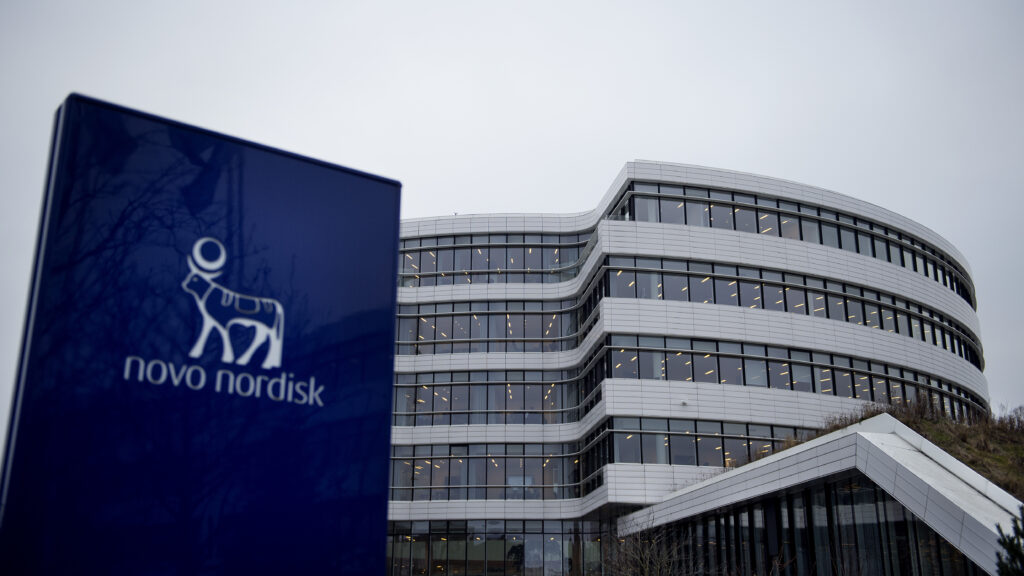
Novo Nordisk is poised to release significant Phase 3 study results that could determine the impact of semaglutide, a leading GLP-1 receptor agonist, on the progression of Alzheimer’s disease. This data is highly anticipated in the medical community, as it may reshape treatment strategies and the future of the company.
Semaglutide, known commercially for its weight-loss medications Ozempic and Wegovy, has shown promise in early studies suggesting potential benefits for cognitive health. The upcoming results are crucial as they could validate the drug’s efficacy beyond its current indications, which primarily focus on metabolic disorders.
Market Reactions and Expectations
While expectations surrounding the study results are tempered, the implications of a positive outcome could significantly alter both Novo Nordisk‘s market trajectory and the broader landscape of Alzheimer’s treatments. If successful, semaglutide could become a pioneering therapy in a field that has struggled to find effective interventions.
Market analysts are observing the situation closely. A successful trial could enhance the drug’s marketability, potentially leading to increased revenues for Novo Nordisk, which has already established a strong position in diabetes and obesity treatment. The company’s current valuation stands at approximately $205 billion, reflecting its strong performance in recent years.
In related news, Alkermes has raised its acquisition offer for Avadel Pharmaceuticals to $22.50 per share, surpassing a competing bid from Lundbeck. Additionally, Agios Pharmaceuticals reported mixed results from a Phase 3 study concerning its treatment for sickle cell disease, which may hinder its chances of securing U.S. approval.
The Broader Context of Alzheimer’s Research
The urgency surrounding Alzheimer’s research cannot be overstated. Current therapies for the disease provide limited benefits, and the need for effective treatments is critical as the global population ages. According to the World Health Organization, the number of people living with dementia is projected to reach 78 million by 2030, highlighting the pressing need for innovative solutions.
As the medical community awaits Novo Nordisk’s findings, there is a palpable sense of hope that semaglutide might contribute to a breakthrough in Alzheimer’s treatment. The results are expected to be released within the next few weeks, and the implications for patients and healthcare providers alike could be profound.
In summary, the upcoming data release on semaglutide’s effects on Alzheimer’s represents a pivotal moment in both the treatment of cognitive decline and the future of Novo Nordisk. The potential for reshaping the therapeutic landscape is significant, making the scientific community and investors alike eager for the forthcoming results.