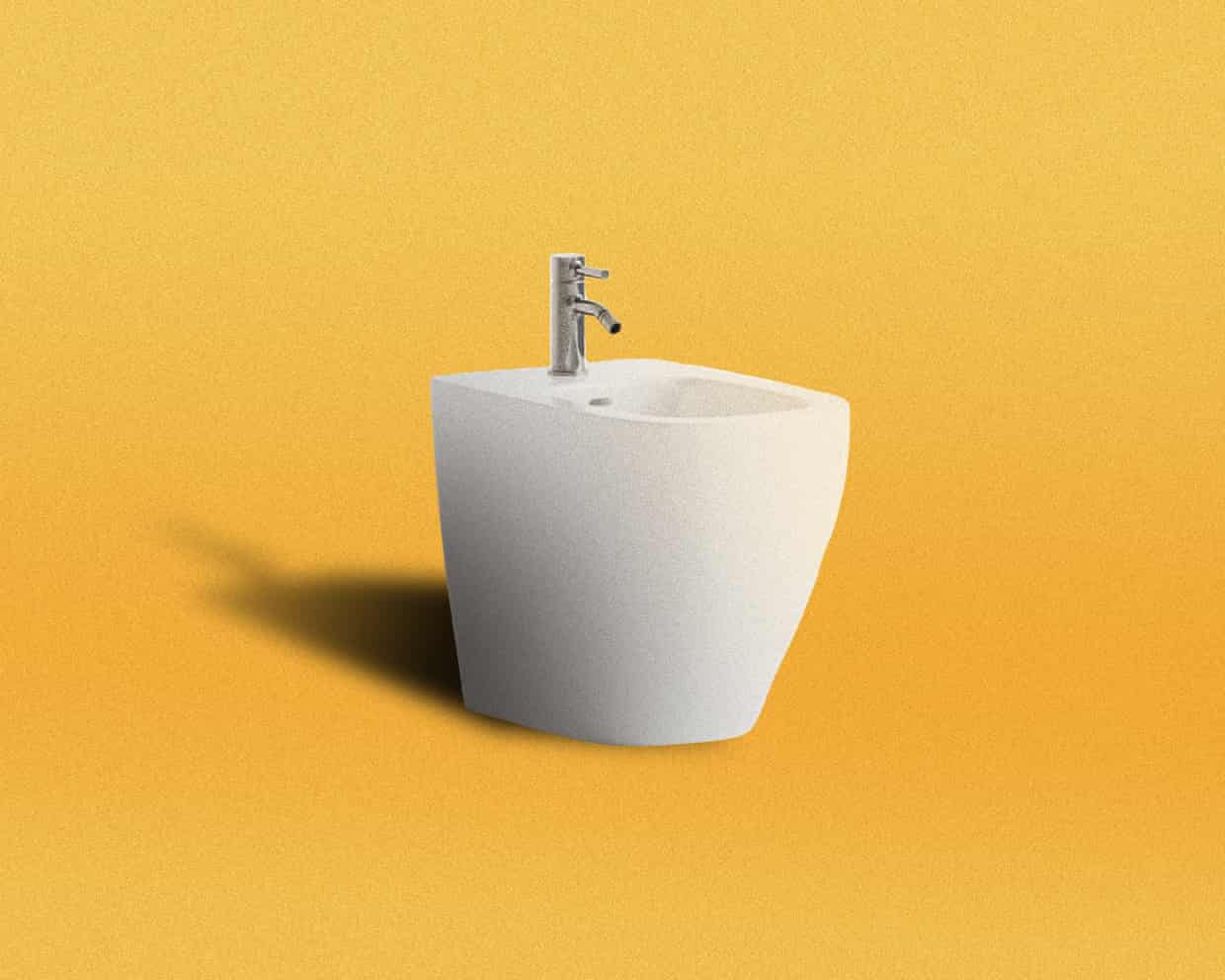
A growing conversation about hygiene in the United States is gaining traction, particularly surrounding the use of bidets. New York City Mayor Zohran Mamdani and his wife, Rama Duwaji, have announced plans to install bidets at their official residence, Gracie Mansion. This initiative has sparked interest in a practice long embraced in many parts of the world.
In various cultures, washing after using the toilet is a common norm. In Egypt, for instance, bathrooms are typically equipped with a bidet or a shattaf, a fixture that allows for direct washing. This practice contrasts sharply with American bathroom habits, where the prevalence of toilet paper remains the standard. Notably, the term “shattaf” derives from the Arabic word meaning “to clean,” while “bidet” comes from a French term for a small horse, reflecting the design of the washing fixture.
The mention of bidets in American culture has gained a foothold through various media, including the off-Broadway play Threesome, written by Yussef El Guindi. The play portrays an Egyptian-American couple humorously confronting a guest about personal hygiene. Such representations highlight the cultural differences in bathroom etiquette and the potential for change.
Mamdani, New York City’s youngest mayor since 1892, has made headlines not only for his political achievements but also for his advocacy of bidets. He is the city’s first Muslim and South Asian mayor, as well as the first born on the African continent. His wife, Duwaji, adds to this narrative as New York City’s youngest first lady and its first Muslim first lady. Their personal choices are closely observed and often discussed in the media, illustrating the intersection of culture and modern life.
While the pandemic led to a surge in bidet sales in the U.S. due to toilet paper shortages, the adoption of these fixtures remains limited. The ongoing dialogue about hygiene, especially as it relates to public health, presents an opportunity to reconsider bathroom norms. As Eltahawy reflects on her experiences moving from Egypt to the UK and then to Saudi Arabia, she underscores the discomfort many feel when unable to wash after using the toilet.
The shift towards making bidets more acceptable in American households is not just a matter of personal hygiene; it is also about challenging cultural taboos. Eltahawy passionately urges readers to embrace this change, stating that installing a bidet or shattaf could enhance daily life.
The discussion surrounding bidets is not merely about plumbing fixtures. It signifies a broader acceptance of diverse practices and the importance of cleanliness. As Mamdani and Duwaji take steps to normalize the conversation around bidets, they contribute to a growing trend that may redefine bathroom habits across the United States.
For those hesitant about the change, Eltahawy provides a compelling argument for the benefits of washing after using the toilet. As the conversation evolves, it remains to be seen whether these fixtures will become a standard part of American bathrooms, but the advocacy from figures like Mamdani certainly paves the way for greater acceptance.