A new blood test developed by Grail, known as the Galleri test, claims to detect over 50 types of cancer through a simple blood draw. While the test shows promise, particularly in identifying advanced cancers, it comes with significant limitations regarding its effectiveness in early-stage detection.
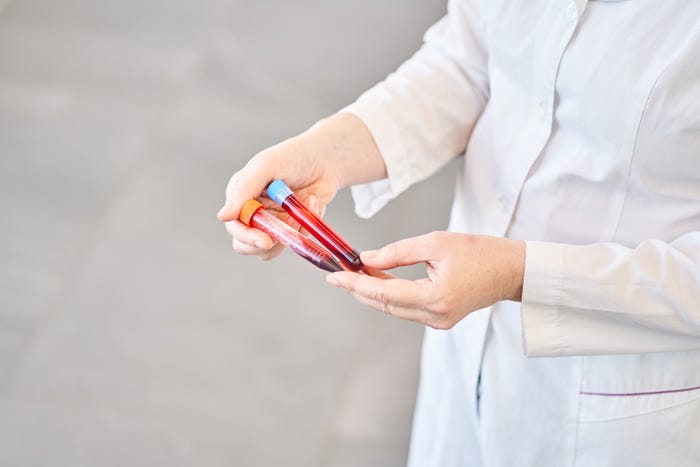
The Galleri test requires two vials of blood to screen for various cancers, including challenging types like pancreatic and ovarian cancer, for which routine screening is not currently available. With over half of cancer cases in the United States diagnosed at advanced stages, the potential for earlier detection through blood analysis represents a significant shift in cancer screening methods.
Telehealth company Hims & Hers is offering the Galleri test at a discounted rate of $700, down from the retail price. However, customers must also pay a $350 annual lab membership fee, which covers tests for cardiometabolic health and hormone levels. Consequently, the total cost can reach approximately $1,050 annually, raising concerns about accessibility for the average consumer.
Grail’s testing method works by identifying cancerous DNA that is released into the bloodstream. This process makes the test particularly adept at recognizing late-stage cancers. According to ongoing studies involving 35,000 participants, the Galleri test boasts over 99% specificity, meaning that a positive result is likely indicative of cancer. Yet, preliminary findings from October 2025 indicate that the test detects about 40% of cancers overall, suggesting that there is a significant chance it may miss early-stage cases.
In a landscape where timely cancer detection is critical, the ability of the Galleri test to improve health outcomes remains in question. The company reported a more than seven-fold increase in detected cases of breast, cervical, colorectal, and lung cancers during trials, potentially identifying cancers not typically found through standard screenings. Yet, the test’s low detection rate for early-stage cancers could lead to a false sense of security among users.
Hims & Hers Chief Medical Officer Patrick Carroll emphasized the importance of clear communication regarding the limitations of the Galleri test. “It’s a screening, not a diagnostic test,” he stated, highlighting the necessity for patients to understand the test’s purpose and limitations.
The University of Oxford’s Professor Anna Schuh, an expert in molecular diagnostics, expressed caution regarding the test’s current applicability for widespread cancer screening. She noted that the combination of the Galleri test’s low early detection rate and its cost renders it unsuitable for population screening at this time.
The former CEO of Grail, Jeff Huber, acknowledged the need for the test to evolve. He combines his Galleri test with traditional cancer screenings, such as colonoscopies, to gain a comprehensive understanding of his health status. Huber envisions a future where the test could be available for as little as $100 and integrated into regular annual check-ups.
As the demand for innovative health solutions grows, competitors are beginning to emerge. Exact Sciences, known for its noninvasive colon cancer screening test Cologuard, recently introduced Cancerguard, which also screens for over 50 cancers at a price point of $689.
While the advertising campaign for the Galleri test taps into the wealth gap in healthcare, highlighting the disparities in access to advanced medical testing, the ongoing conversation remains focused on whether such innovations can genuinely enhance cancer detection rates and ultimately save lives. As healthcare evolves, the need for reliable, accessible testing will be paramount in addressing the challenges posed by cancer diagnosis and treatment.