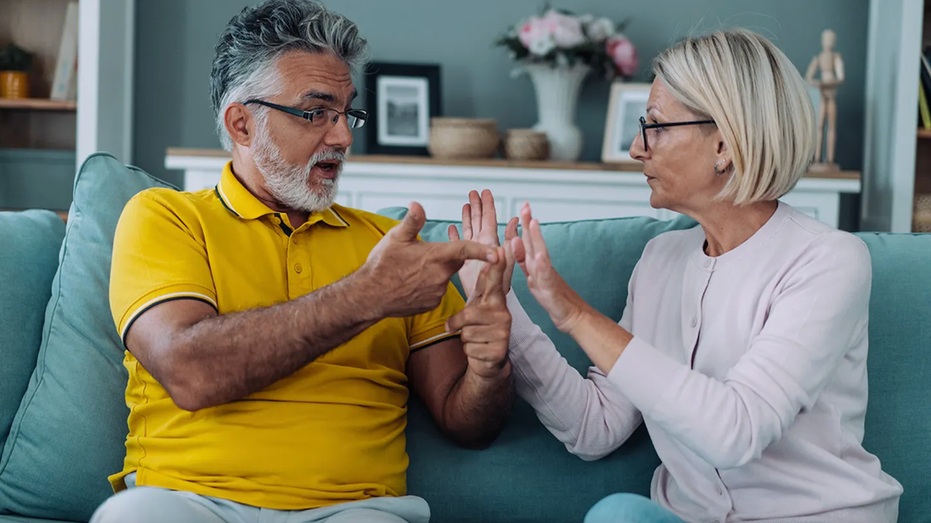
Research indicates that the people we associate with can have a profound impact on our health, particularly in the context of aging. A recent study published in the journal PNAS reveals that negative social ties, often referred to as “hasslers,” may contribute to accelerated biological aging and a shorter lifespan. The investigation, conducted by researchers from several U.S.-based universities, highlights the importance of social interactions in the aging process.
A sample of over 2,000 participants from Indiana, aged 18 and older, formed the basis of this study. Nearly 30% of respondents reported having at least one “hassler” in their social network—individuals known for causing issues or social difficulties. The study suggests that these relationships act as chronic stressors, which can wear down the body over time, leading to adverse health outcomes.
Impact of Hasslers on Biological Aging
Biological aging is defined as the pace of aging at a cellular level, which can differ significantly from chronological age. Utilizing biological clocks that measure age-related changes in DNA, the researchers found a direct correlation between the presence of hasslers and accelerated aging. Specifically, each additional hassler was associated with a 1.5% increase in the pace of aging and approximately a nine-month increase in biological age.
The findings also indicated that individuals who reported having hasslers were more likely to be women, daily smokers, individuals in poorer health, and those with adverse childhood experiences. The study concluded that the presence of these negative relationships could lead to heightened inflammation, increased chronic health conditions, and worsened mental health.
Dr. Daniel Amen, a psychiatrist and owner of Amen Clinics in California, emphasizes the significance of quality sleep for brain function and longevity. He suggests that surrounding oneself with difficult individuals could have serious implications for long-term health.
Understanding the Dynamics of Toxic Relationships
The research underscores that not all hasslers exert the same influence. Both blood relatives and non-blood relatives showed detrimental associations, while relationships with spouses did not demonstrate a significant link to accelerated aging. The study posits that familial hasslers may be harder to avoid, making them stronger chronic stressors.
According to study co-author Byungkyu Lee from NYU’s Department of Sociology, “These findings highlight the critical role of negative social ties in biological aging as chronic stressors.” He noted that reducing exposure to individuals who consistently create stress or conflict may have health benefits, though this can be challenging in practice.
Lee further explained that “many of these relationships involve family members or others who are deeply embedded in daily life, so the challenge is often not simply avoiding them, but finding healthier ways to manage them.”
The researchers suggested that community-based programs, which expand social circles through shared hobbies, volunteering, or mutual aid, could be beneficial. Broadening and diversifying one’s network may help mitigate some of the biological toll associated with chronic relationship stress.
While the study reveals compelling associations, the authors caution that these findings do not establish causation. Other unmeasured traits or environmental factors may also influence health outcomes. Since the data was collected from a single Midwestern sample, it may not be representative of other cultural or socioeconomic groups.
Moreover, the self-reported nature of the “hassler” relationships could introduce bias, as participants’ moods and experiences may affect their perceptions. The researchers note that future studies should explore these relationships further to provide a clearer understanding of their impact on aging.
In summary, this study brings attention to the often-overlooked influence of social relationships on health, particularly regarding aging. By acknowledging and addressing the impact of negative social ties, individuals may be able to foster healthier aging trajectories and improve overall well-being.