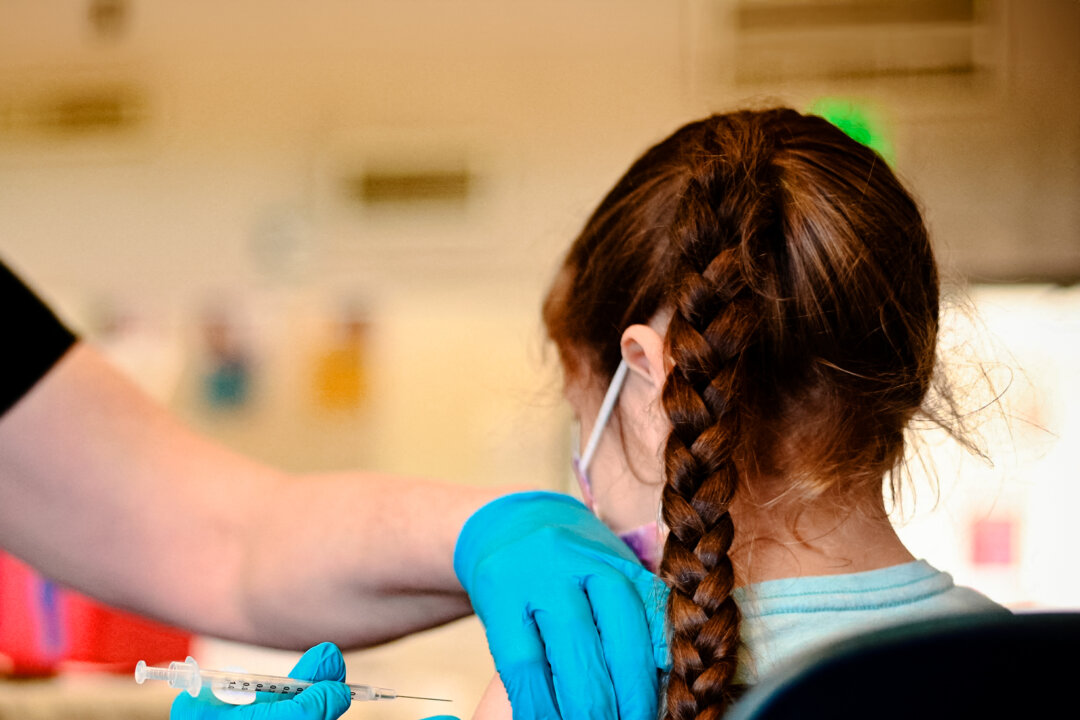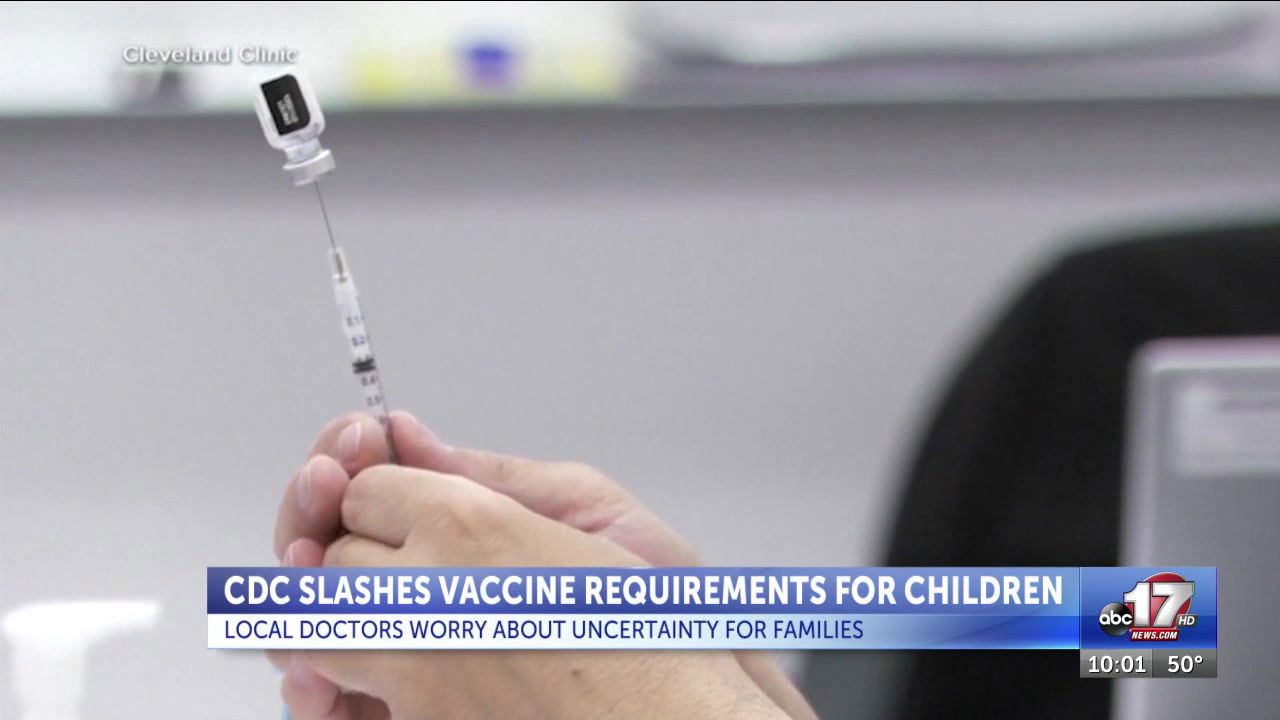
The Centers for Disease Control and Prevention (CDC) has reduced its list of universal vaccine recommendations for children from 17 to 11, raising concerns among healthcare professionals. This change, announced on March 15, 2025, separates vaccinations into three distinct categories: those recommended for all children, those for high-risk groups, and those based on shared decision-making between families and physicians.
The CDC’s decision follows a directive from President Donald Trump, instructing the U.S. Department of Health and Human Services (HHS) to evaluate how other countries formulate their vaccine recommendations. Among the vaccines no longer universally recommended are those for influenza, rotavirus, hepatitis A, hepatitis B, certain forms of meningitis, and COVID-19.
Dr. Thuylinh Pham, vice president of the Missouri Chapter of the American Academy of Pediatrics, expressed concern that this shift may create uncertainty for families. “We already have lots of conversations with families prior to these recommendations on vaccinations and the risks and benefits, but adding this brings another level,” she stated. Parents may question what constitutes “high risk” and whether to proceed with certain vaccinations.
National responses from medical professionals have been largely critical. Many argue that the CDC made this decision without sufficient evidence suggesting that the existing vaccine schedule poses harm to children. Furthermore, critics note that the decision was taken without consulting an advisory committee, raising fears that the reduction could result in the resurgence of preventable diseases.
Vaccination rates in the United States have been declining, contributing to a rise in preventable diseases. In 2025, the country reported over 2,000 cases of measles, a disease previously declared eliminated in the year 2000. Dr. Pham remarked, “We are already having vaccine-preventable illnesses and outbreaks within our community. We’ve seen measles outbreaks across the country, as well as whooping cough and pertussis affecting unvaccinated children more severely.”
The situation is particularly concerning in Missouri, where pockets of unvaccinated children pose a risk to community health. Dr. Pham emphasized that misinformation, access barriers, and insurance issues, exacerbated by the COVID-19 pandemic, have led to declining vaccination rates. She believes the recent changes will further complicate the situation.
Lynelle Phillips, Board President of the Missouri Immunization Coalition, also voiced concerns about the potential impact on children’s safety. “As soon as you have a cohort of children that are not getting vaccinated and we lose that threshold of immunity, then we’re looking at disease transmission among other children that are really vulnerable,” she said.
In response to the CDC’s announcement, Boone Health spokesman Christian Basi indicated that the new guidelines primarily affect their maternity ward, which welcomes around 100-150 babies each month. Basi reassured that physicians will continue to provide recommendations based on scientific evidence and their extensive experience. “Our doctors will still be providing their recommendations based on the latest scientific information,” he noted.
Despite the changes, HHS officials clarified that the availability of vaccines and health insurance coverage for vaccinations will remain unaffected. MU Health Care also reaffirmed that their childhood immunization protocols are grounded in the best medical evidence. Spokesman Eric Maze stated, “We use guidance from multiple sources to create our protocols and always include parents in the decision-making process.”
Ultimately, Dr. Pham urges families to maintain open lines of communication with their healthcare providers. “The science has not changed. The American Academy of Pediatrics has developed a vaccination schedule tailored to our population in the United States,” she concluded.