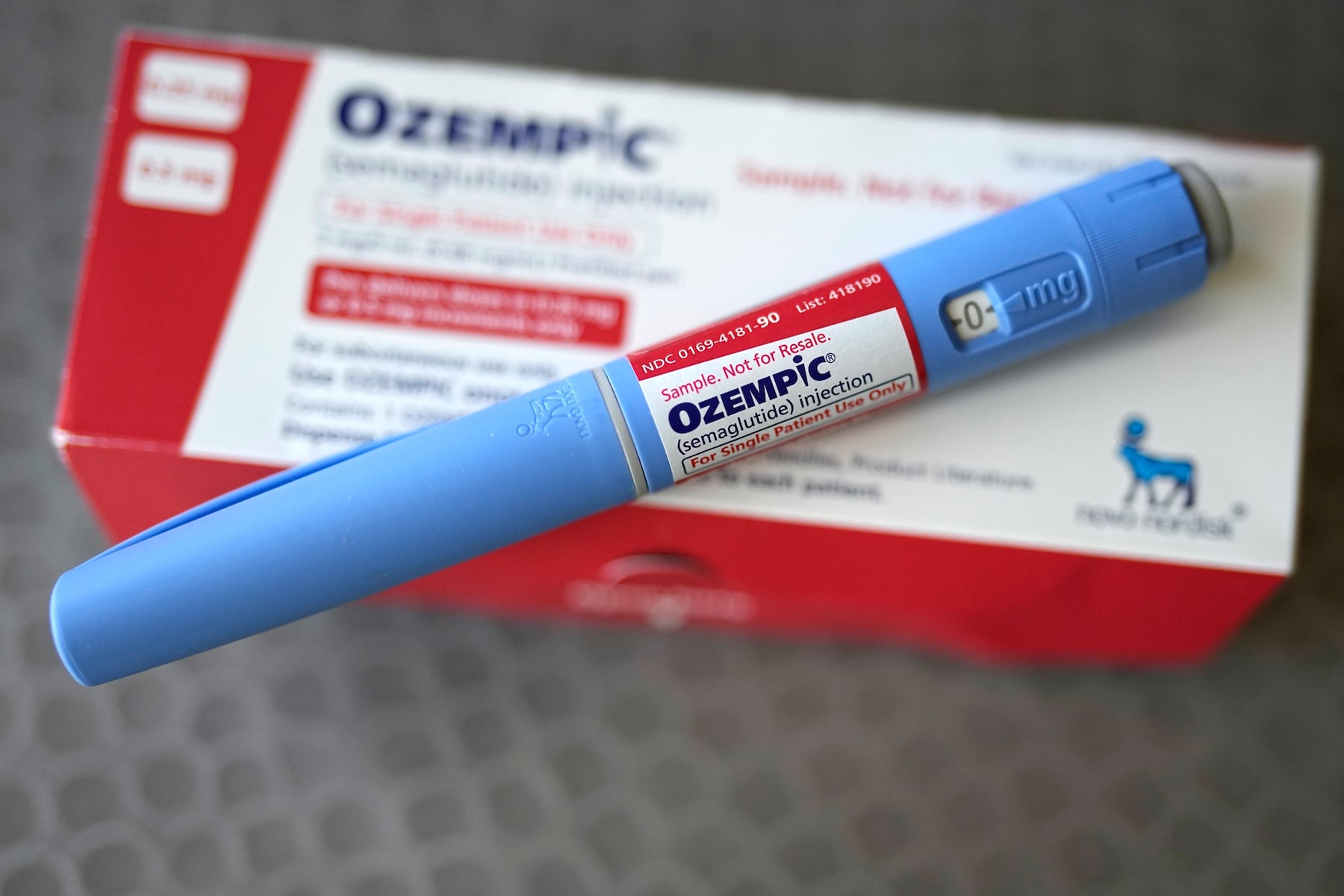
The Trump administration has announced significant reductions in Medicare prices for 15 prescription drugs, including popular treatments such as Ozempic and Wegovy. This decision follows extensive negotiations and is expected to yield billions in savings for both taxpayers and older adults. The newly negotiated prices will take effect in 2027, marking a notable step in the administration’s efforts to make healthcare more affordable.
These price reductions are part of a broader initiative initiated under the Inflation Reduction Act, which enables Medicare to negotiate costs for expensive prescription medications. The announcement brings the total number of negotiated drug prices to 25, enhancing affordability for Medicare recipients. Health Secretary Robert F. Kennedy Jr. emphasized that these negotiations reflect the administration’s commitment to lowering healthcare costs for Americans.
Under the new arrangements, the net prices provided for a 30-day supply of these drugs do not directly represent what Medicare beneficiaries will ultimately pay at the pharmacy. Individual costs will vary based on each person’s specific plan and their annual prescription spending. The administration has indicated that the overall savings for Medicare beneficiaries could reach approximately $685 million.
Key Drugs and Expected Savings
Among the drugs whose prices are set to decrease are several high-cost treatments. This includes the widely used GLP-1 weight-loss medications, alongside other drugs treating conditions such as asthma, psoriatic arthritis, diabetes, and various forms of cancer. The administration projects that if the new pricing had been in place last year, it could have saved the government approximately $8.5 billion, or about 36% of net spending.
Dr. Mehmet Oz, the administrator of the Centers for Medicare and Medicaid Services, highlighted the improved outcomes for taxpayers and seniors compared to prior negotiations. The Biden administration previously estimated that its initial round of negotiations would have resulted in savings of about $6 billion on net drug costs.
Despite the optimistic outlook, concerns remain regarding the accessibility of these medications. Traditionally, Medicare has not covered weight-loss treatments, but a recent pilot program announced alongside the new pricing could expand coverage for high-risk individuals struggling with obesity.
Industry Reactions and Future Negotiations
The pharmaceutical industry has expressed strong opposition to the Medicare drug pricing negotiations. Organizations such as the Pharmaceutical Research and Manufacturers of America (PhRMA) argue that government price-setting undermines future medical innovation and could detrimentally affect the economy. They contend that these policies might siphon off $300 billion from biopharmaceutical research.
Next year, Medicare plans to initiate negotiations for another set of 15 drugs, including those administered by healthcare professionals, marking a significant expansion of the program. As these changes unfold, the implications for both healthcare costs and drug availability will continue to be closely monitored by policymakers and the public alike.
The administration’s overall strategy signals a significant shift in how prescription drug prices are managed in the United States, with potential long-term impacts on the healthcare landscape for millions of Americans.