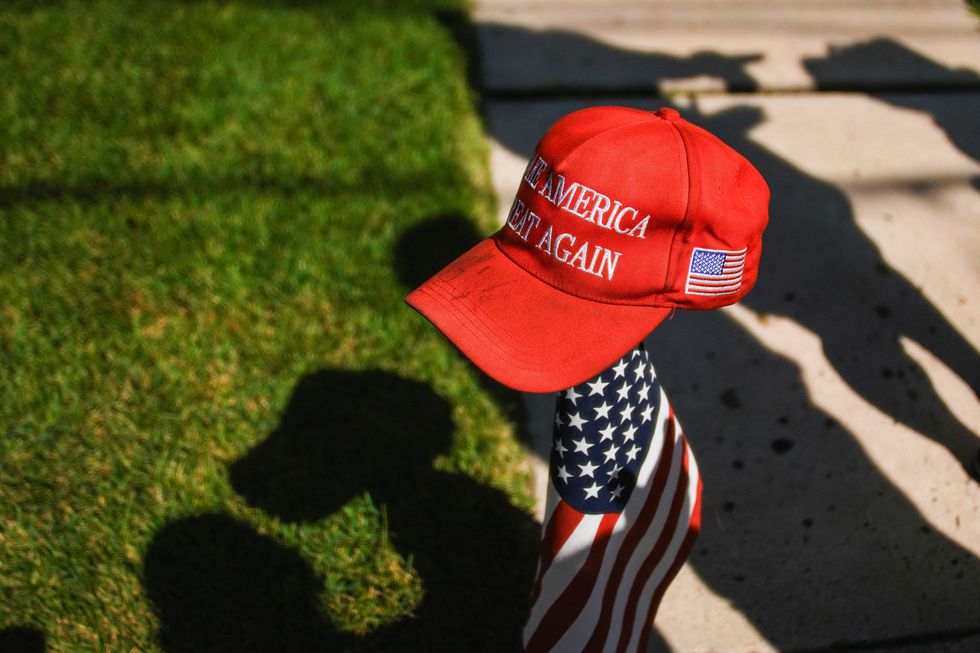
The Make America Great Again (MAGA) movement, once a formidable force in American politics, is now experiencing significant internal turmoil as economic challenges mount. Analysts suggest that MAGA’s foundation, built on a transactional approach rather than enduring principles, is beginning to fracture. Supporters, once unified in their aims, are now increasingly divided, with factions vying for dominance over the movement’s direction and ideology.
As the economy shows signs of weakening, the dynamics within the MAGA base are shifting. Many loyal supporters find themselves at odds, with competing narratives about what it truly means to represent “America First.” This infighting has intensified as economic realities make it more difficult for the coalition to maintain its previous momentum. The absence of a cohesive strategy to address the evolving challenges has left MAGA vulnerable to discontent among its ranks.
Recent observations indicate that the movement’s once-steadfast supporters are grappling with a growing sense of dissatisfaction. While some may view MAGA’s past successes as victories, the lack of an actionable plan for the future is becoming increasingly apparent. The fervor that once characterized the movement is now overshadowed by a palpable anxiety about its sustainability in the face of economic instability.
The connection between Donald Trump and the movement remains strong, yet there are concerns about his leadership as he navigates the complexities of potential legal challenges and economic downturns. Critics have pointed to Trump’s close ties with wealthy individuals and corporations, highlighting a perceived lack of concern for the economic struggles faced by his core supporters. As Trump continues to surround himself with billionaires, questions surrounding his commitment to the working-class base grow louder.
As the economy faces headwinds, the repercussions for the Republican Party could be significant. Historical patterns suggest that economic downturns often lead to disillusionment among the electorate, particularly among blue-collar voters who may feel betrayed by leadership that prioritizes wealth over welfare. Observers note that this could create an opening for alternative political movements to gain traction if MAGA fails to adapt.
The social landscape that MAGA emerged from has also transformed. Younger supporters are increasingly attracted to more extreme factions within the movement, including figures like Nick Fuentes, whose controversial views have raised alarms among moderates. This radicalization poses a challenge to the broader MAGA coalition, as the acceptance of extremist ideologies could alienate more centrist voters.
Amid these shifts, the legacy of former associates, including Jeffrey Epstein, continues to cast a shadow over Trump’s orbit. While some supporters may dismiss concerns related to Epstein, the mounting evidence and public scrutiny could erode trust among constituents who once rallied behind Trump. The ongoing legal battles faced by Trump, including the E. Jean Carroll case, add further complexity to his leadership and the movement’s future.
Looking ahead to the upcoming 2028 Presidential Election, the pressure on Trump to maintain his base will only intensify. As he contemplates his political future, many wonder whether he can effectively address the concerns of his supporters while navigating the challenges posed by a changing economy and legal landscape. The potential for a “lame duck” scenario looms, raising questions about the long-term viability of MAGA.
As the movement grapples with these internal divisions and external pressures, observers emphasize the importance of accountability and engagement from those who oppose its ideology. With the future of MAGA uncertain, efforts to promote constructive dialogue and advocate for policies that benefit the broader populace will be crucial in shaping the political discourse moving forward.
As the sun sets on MAGA, the road ahead remains fraught with challenges. The necessity for clear leadership and a unifying vision is more critical than ever as the movement faces its most significant test yet. For those invested in the outcome, the focus will need to shift toward fostering a healthier political environment that prioritizes inclusive dialogue and equitable solutions.