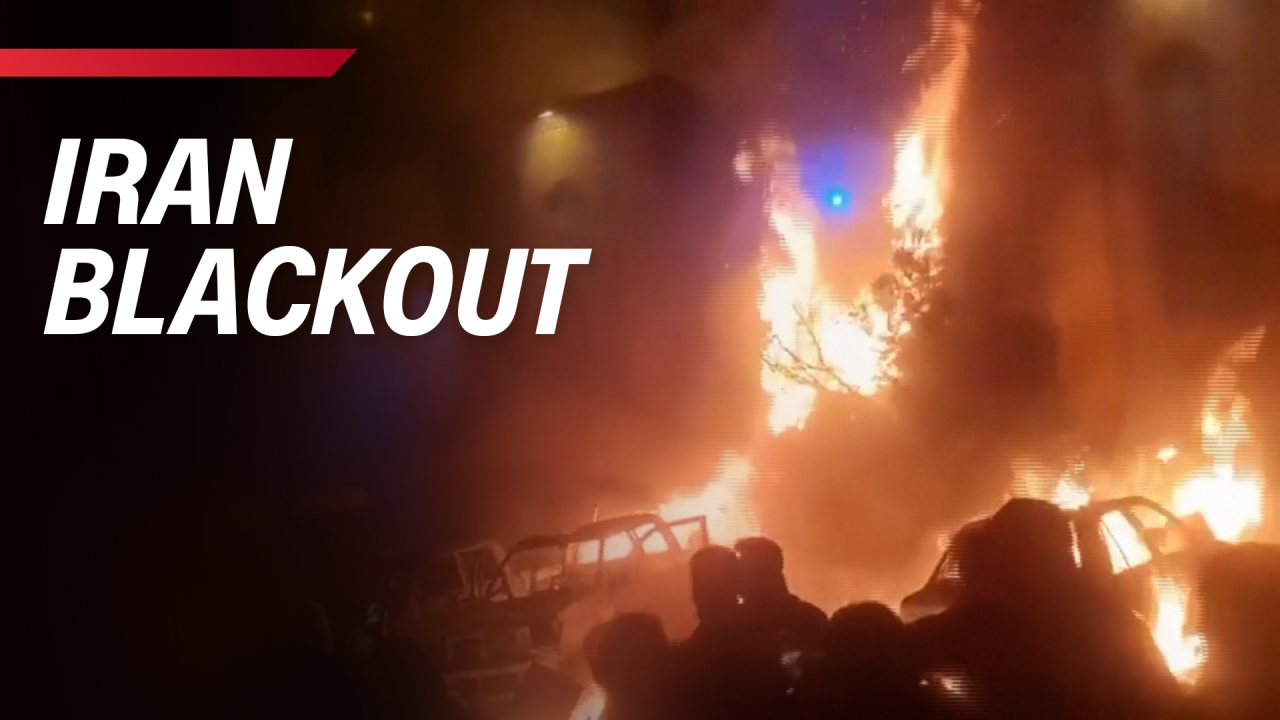
Protests across Iran have entered their second day as authorities impose an internet blackout to curb dissent. The unrest, which began on December 28, has seen widespread demonstrations fueled by rising inflation and public discontent with the government. On Saturday, the situation escalated further when Reza Pahlavi, the son of the last Iranian shah, called for a nationwide strike aimed at key sectors of the economy.
In a video address shared on social media, Pahlavi urged workers and employees in critical industries, including transportation, oil, gas, and energy, to participate in a two-day strike starting Saturday, which marks the beginning of the working week in Iran. He encouraged citizens to take to the streets with flags and national symbols, stating, “The goal is to prepare to seize city centers and hold them.” His remarks come during a turbulent period, as the Iranian government seeks to suppress the ongoing protests.
The protests have experienced significant momentum, with demonstrators expressing their frustrations over government policies and the country’s economic challenges. Pahlavi, who was only 16 when the 1979 Islamic Revolution ended his father’s reign, remains a contentious figure. While he has a following among the Iranian diaspora, it is unclear how much support he garners within Iran itself.
As the protests unfolded, the government imposed an internet blackout that has now lasted more than 36 hours. According to the internet watchdog NetBlocks, authorities cut internet and telephone connections following mass demonstrations in the capital, Tehran. On Saturday morning, NetBlocks reported, “The nationwide internet blackout remains in place, severely limiting Iranians’ ability to check on the safety of friends and loved ones.”
The protests have evolved into a significant challenge for the Iranian government as citizens express their grievances against the ruling authorities. Demonstrations have been marked by calls for greater freedoms and an end to oppressive measures from the security forces.
As the situation develops, it remains to be seen how authorities will respond to both the protests and Pahlavi’s call for action. The potential for further unrest looms, with many citizens demanding accountability and change from their leaders.