The detoxification process for inmates in U.S. jails poses significant health risks, particularly for those with pre-existing medical and mental health conditions. This issue has become increasingly apparent as correctional facilities struggle to manage the influx of individuals facing severe health challenges, including substance use disorders.
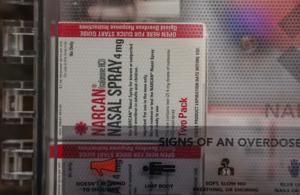
In November 2023, Superintendent Larry Beck of the Sangamon County Jail in Springfield highlighted the difficulties staff face in addressing the needs of inmates arriving with critical health issues. The McLean County Jail employs Narcan kits to reverse opioid overdoses, a reflection of the urgent demand for adequate health services in correctional settings. Meanwhile, the Macon County Jail previously implemented the Restore program aimed at helping inmates transition back into society, but staffing shortages have hampered its continuation in recent years.
The stigma surrounding substance use disorders and mental health issues significantly impacts how these conditions are perceived and treated. Many individuals entering the correctional system experience both conditions simultaneously, complicating their treatment. According to data from the U.S. Centers for Disease Control and Prevention, approximately 6.7% of U.S. adults—around 17 million people—reported having both a substance use disorder and at least one mental illness in 2020.
Understanding the co-occurrence of these disorders is essential. Substance use disorders represent a category of mental health conditions that affect the brain’s ability to regulate substance consumption. Commonly associated substances include alcohol, nicotine, opioids such as heroin and oxycodone, as well as stimulants and tranquilizers. Mental illnesses can disrupt mood and behavior, leading to challenges in daily functioning.
Research indicates that individuals with serious mental illnesses experience higher rates of substance use disorders, with misuse of opioids and tranquilizers significantly more prevalent among this group. This connection highlights the intricate relationship between mental health and substance use, suggesting that addressing one may require a focus on the other.
Genetics, trauma, and environmental factors contribute to the development of both mental health conditions and substance use disorders. Studies show that genetics can account for 40% to 60% of an individual’s susceptibility to substance use disorders, with many gene variants influencing behaviors related to risk and reward. Moreover, traumatic experiences can lead to changes in brain function, particularly in areas responsible for emotion and decision-making.
Environmental stressors can also trigger genetic expressions linked to these disorders, reinforcing the importance of addressing mental health and substance use issues holistically. Self-medication with psychoactive substances often occurs among those dealing with trauma or psychological distress, increasing the likelihood of developing both mental health conditions and substance use disorders.
Integrated treatment approaches, which address both substance use disorders and mental health conditions concurrently, have shown to be the most effective. Despite this, barriers to treatment persist. Stigma surrounding mental health and substance use often discourages individuals from seeking help, with fears about job loss or social ostracism prevalent among those in need of care.
The financial cost of treatment further complicates access, with disparities evident across racial and socioeconomic lines. While 37.6% of white adults with a diagnosis-based need for treatment received care, only 22.4% of Latino adults and 25% of Black Americans did.
As correctional facilities grapple with the complexities of detoxification and mental health treatment, a comprehensive approach that addresses the intertwined nature of substance use disorders and mental illness is critical. Reducing stigma and improving access to care could pave the way for better outcomes for those in need.
This report draws from various sources, including research by Zinnia Health and data from the Substance Abuse and Mental Health Services Administration, released in October 2021. For further inquiries, please contact Analisa Trofimuk at 219-933-3211 or Drew Zimmerman at 309-820-3276. Follow Drew on Twitter: @DZimmermanLee.