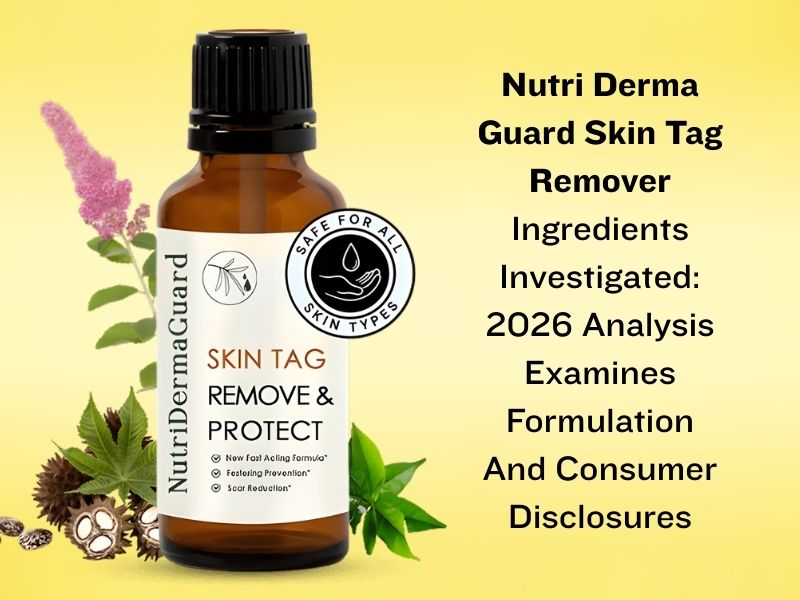
Several topical skincare products are gaining traction in the market, particularly those aimed at removing skin tags. Among these, NutriDerma Guard Skin Tag Remover has attracted consumer interest, leading to a detailed investigation of its ingredients and formulation. This analysis, published on January 10, 2026, does not endorse the product but aims to provide information about its components based on available research and consumer disclosures.
Understanding Skin Tags and Consumer Trends
Skin tags, scientifically referred to as acrochordons, are benign growths commonly found on the skin, especially in areas prone to friction like the neck, underarms, and eyelids. Although generally harmless, these small, flesh-colored growths can lead to cosmetic concerns and physical discomfort. Many individuals express self-consciousness about their appearance, particularly when skin tags are visible on the face or neck.
Consumer interest in at-home skin tag removal options has surged due to several factors, including the rising costs associated with professional removal methods. According to dermatological studies, skin tags tend to multiply with age, particularly after the age of 40, prompting many to seek effective and affordable alternatives. The growing personal care marketplace has responded with a variety of topical solutions, including NutriDerma Guard.
Ingredient Analysis and Formulation Insights
NutriDerma Guard Skin Tag Remover comprises three main ingredients:
– **Alcohol Denat.**
– **Ricinus Communis (Castor) Seed Oil**
– **Melaleuca Alternifolia (Tea Tree) Leaf Oil**
– **Salicylic Acid**
Manufactured in the United States under Good Manufacturing Practice (GMP) standards, the product is marketed as cruelty-free. The formulation combines well-known botanical extracts and a clinically recognized keratolytic agent, namely salicylic acid.
A closer examination of each ingredient offers insights into their roles and potential benefits.
**Castor Oil (Ricinus Communis Seed Oil)** has been used in traditional medicine for centuries. It contains ricinoleic acid, which may help maintain skin moisture. Research published in the *International Journal of Toxicology* highlights its humectant properties, allowing it to penetrate the outer skin layer effectively. While traditional uses suggest benefits for skin growths, these claims lack validation through modern clinical trials.
**Tea Tree Oil (Melaleuca Alternifolia Leaf Oil)** is another significant component, recognized for its antimicrobial properties. Studies published in the *Journal of Antimicrobial Chemotherapy* and the *Clinical Microbiology Reviews* detail its effectiveness against various pathogens. Its astringent and drying properties may theoretically support skin tag treatment, although specific studies validating its effectiveness for this purpose are limited.
**Salicylic Acid**, a beta-hydroxy acid, is the most established ingredient in the formulation. The U.S. Food and Drug Administration recognizes its use for certain over-the-counter applications, such as wart treatment. Its keratolytic action promotes the shedding of abnormal skin tissue, with effectiveness being dose-dependent. While widely used, its specific effectiveness for skin tags has not been conclusively established.
**Alcohol Denat. (Denatured Alcohol)** serves multiple purposes, including acting as a solvent and penetration enhancer. However, individuals with sensitive skin may experience irritation from alcohol-containing products, emphasizing the importance of following the product’s usage guidelines.
Consumer Guidance and Cautions
The labeling for NutriDerma Guard advises users to apply the product only to intact external skin, avoiding contact with sensitive areas such as the eyes and mouth. Additionally, consumers are encouraged to discontinue use if any irritation occurs and to consult a healthcare professional if they have underlying health conditions or are pregnant.
While the analysis of NutriDerma Guard reveals a formulation with ingredients that have documented properties, it is essential to note that the product has not undergone independent clinical trials to assess its overall efficacy as a skin tag remover. The effectiveness of topical solutions can vary widely among individuals based on several factors, including skin type and growth characteristics.
Conclusion and Further Considerations
The growing interest in at-home skincare solutions like NutriDerma Guard reflects broader consumer trends toward non-invasive treatments. While the ingredients in the formulation offer potential benefits based on existing research, users are encouraged to approach these products with realistic expectations. Individual results may vary significantly, and consulting a qualified healthcare professional remains vital for anyone considering topical solutions for skin concerns.
For further information regarding the product, its ingredients, and purchasing options, consumers may visit the official NutriDerma Guard website or contact their customer service directly.