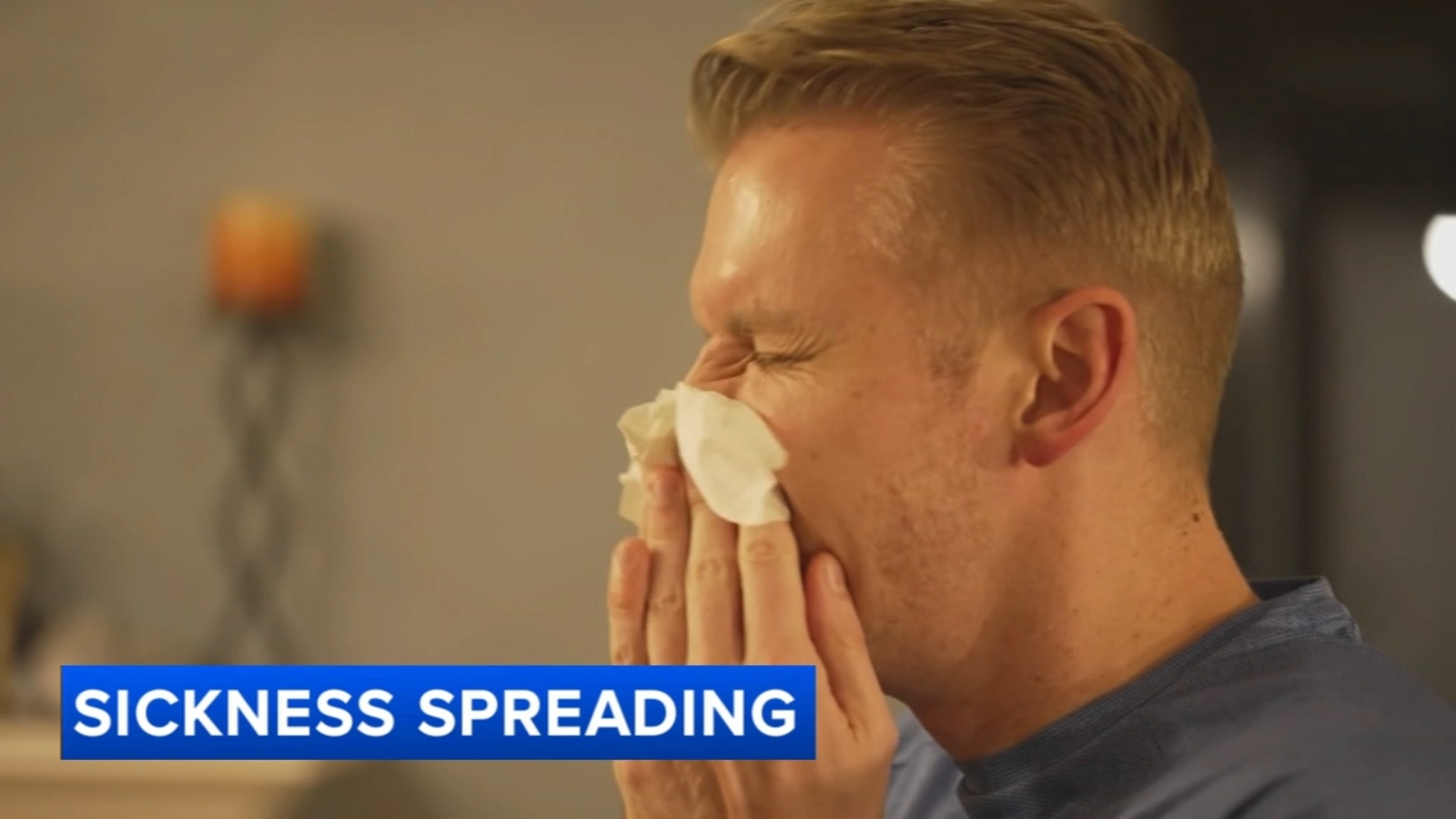
Hospitals in New Jersey are bracing for an increase in flu and respiratory cases as the winter season intensifies. Across South Jersey, healthcare facilities are reporting a steady rise in patients with respiratory illnesses, primarily attributed to influenza A, COVID-19, and RSV. Medical centers such as those operated by Virtua Health are experiencing heightened emergency room visits linked to these infections.
Dr. Martin Topiel, chief of infection prevention at Virtua Health, stated, “We’re seeing many emergency room visits related to respiratory infections of all kinds. Certainly, flu is a major part of that.” This uptick in cases reflects a broader trend seen nationwide, prompting health providers to prepare for increased patient volumes in the coming weeks.
The ramifications of this respiratory surge extend beyond hospital walls. Workers in various sectors report widespread illness within their communities and workplaces. Alex Schmidt, who works in a nursing home in Cherry Hill, New Jersey, noted, “There’s a lot of people who have been sick lately. A lot of flu.” Similarly, Amy Fanrak, employed at an elementary school in Haddonfield, mentioned the challenges posed by seasonal illnesses, particularly with families traveling during the holidays.
As the peak of cold and flu season approaches, many residents are adopting preventive measures to protect themselves and others. Molly Kaminski, accompanied by her infant daughter, shared, “We’ve just been trying to stay away from folks, not in any restaurants or anything like that. We’ve also gotten the flu shot.” Others, like Schmidt, are relying on personal health strategies, stating, “I mask up, take my Vitamin C, try to stay active, because that helps too.”
According to the Centers for Disease Control and Prevention (CDC), New Jersey is classified as having “very high” flu activity. The presence of multiple circulating viruses complicates the process of diagnosing illnesses based solely on symptoms. Many individuals are turning to combination over-the-counter tests that can detect both flu A and flu B, in addition to COVID-19.
Dr. Topiel emphasized the reliability of positive results from these tests but cautioned against assuming a negative result means the absence of illness. “The problem is if the tests are negative, it really doesn’t rule out COVID, it doesn’t rule out influenza,” he explained. “It might mean there’s a low viral level, but it still might cause significant symptoms.”
Health professionals are advising individuals to stay home when exhibiting symptoms commonly associated with respiratory infections. Dr. Topiel highlighted the risk of transmitting illness, particularly when experiencing fever, significant cough, or excessive mucus production. “If you have these symptoms, you’re really risking transmitting to others,” he said.
In cases of severe symptoms, immediate medical attention is crucial. Signs such as wheezing, shortness of breath, or chest pain warrant a visit to the hospital. Additionally, individuals with a history of heart problems are encouraged to consult their healthcare providers for guidance.
As hospitals and communities navigate this challenging season, the focus remains on prevention and early intervention to mitigate the impact of rising respiratory illnesses. With flu activity on the rise, residents are urged to remain vigilant and proactive in protecting their health and the health of those around them.