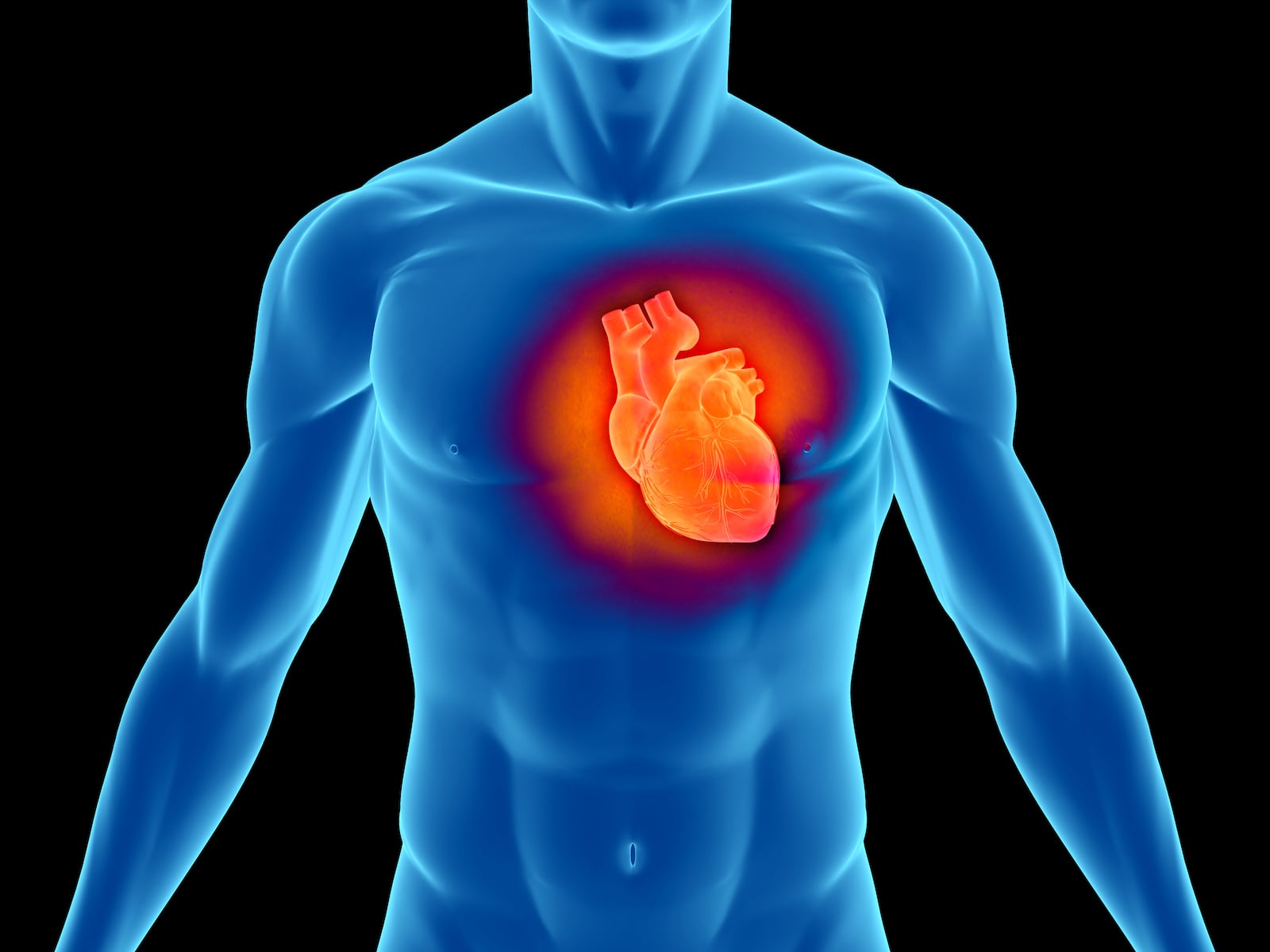
The festive season can bring joy, but for some, it also presents health risks. Atrial fibrillation (AFib), often referred to as “holiday heart syndrome,” can be triggered by binge drinking, stress, and overeating during this time. According to Dr. David Feingold, a cardiologist and chief of cardiology at Hackensack Meridian JFK in Edison, New Jersey, his personal experience with AFib serves as a cautionary tale.
Fifteen years ago, Feingold experienced a chaotic heart rhythm after consuming excessive amounts of energy drinks while suffering from a cold. He identified the onset of AFib, which occurs when the heart’s upper chambers beat irregularly, leading to poor blood flow. The American Heart Association emphasizes that this condition can have serious consequences, including an increased risk of stroke and heart failure.
While New Jersey does not track AFib-specific data, national statistics reveal that approximately 10.5 million Americans are affected by the condition, contributing to more than 232,000 deaths annually, as reported by the Centers for Disease Control and Prevention. Notably, while individuals from Black and brown communities have a lower incidence of AFib compared to white individuals, they face worse health outcomes, including nearly double the risk of stroke and heart failure. These disparities may stem from differences in healthcare access and socioeconomic status, according to the National Institutes of Health.
Understanding “Holiday Heart Syndrome”
Dr. Feingold describes “holiday heart” as a colloquial term that underscores the serious nature of AFib episodes triggered by indulgent behaviors typical of the season. Many individuals who do not regularly consume alcohol may find themselves drinking heavily during celebrations, leading to increased heart risks.
“When there’s a clot, it can travel to the brain,” Feingold warns. To mitigate this risk, doctors often initiate blood thinner treatments immediately after diagnosing AFib. Beyond alcohol, he notes that heavy, salty holiday foods can also exacerbate symptoms by pulling excess fluid into the heart.
As the holiday season approaches, Feingold urges individuals to practice moderation. He often encounters patients who insist they cannot control their eating during this time. “They say, ‘Doc, the holidays are coming,’” he recalls. “I remind them that Thanksgiving, Christmas Eve, Christmas, and New Year’s are just a few days. That’s no excuse.”
He emphasizes the importance of small portions, making lighter food swaps, alternating alcoholic beverages with water, and consuming food before drinking to slow alcohol absorption. For those with a sweet tooth, he suggests having just a few bites of dessert instead of overindulging.
Modern Approaches to Heart Health
Dr. Feingold highlights the significant advancements in cardiac care since he began practicing 43 years ago. Treatment options have vastly improved, transitioning from limited interventions to a wide array of modern technologies. “In the past, if a patient had a heart attack, we could only offer morphine and nitroglycerin while waiting to see the outcome,” he explains. Today, medical professionals can provide immediate care that can prevent further complications.
New technologies, such as smartwatches, allow patients to monitor their heart rhythms at home. Devices like Kardia can assist, but Feingold cautions that the urgency of evaluation depends on individual health factors. “An older patient with hypertension or diabetes needs immediate attention, unlike a healthy 20-year-old,” he notes.
Dr. Feingold also cautions against the long-term effects of heavy drinking. While “holiday heart” episodes may be temporary, chronic alcohol consumption can lead to cardiomyopathy, a condition that deteriorates the heart muscle and is not reversible.
His straightforward advice for the holiday season centers on self-awareness: listen to your body, enjoy festivities responsibly, and recognize the limits of what the heart can endure.