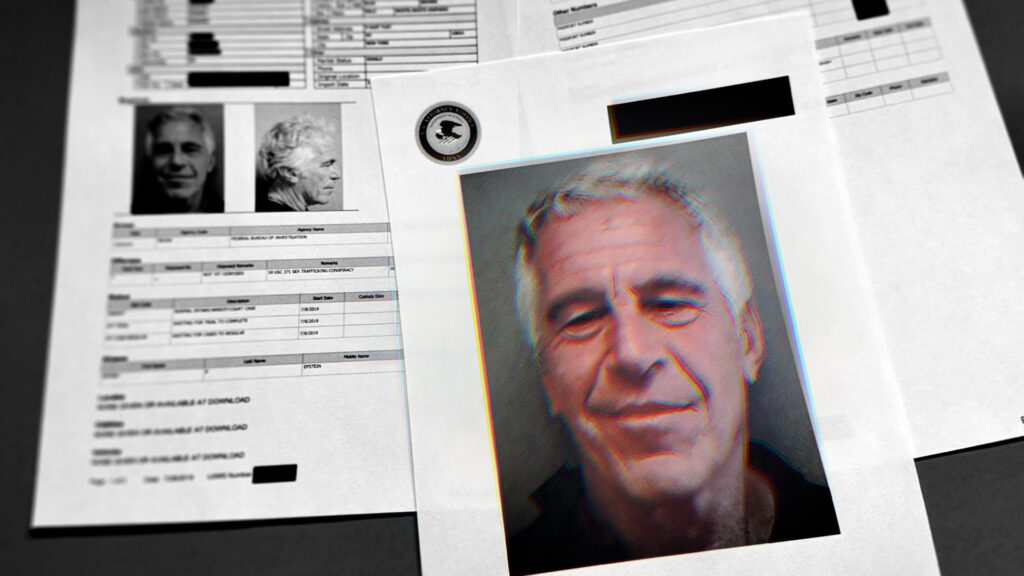
A significant internal crisis erupted at the Harvard Medical School lab of renowned geneticist George Church in the summer of 2013 when a decision to prioritize the sequencing of a tissue sample from Jeffrey Epstein raised ethical concerns among staff. Epstein, a registered sex offender accused by dozens of girls of sexual assault, had his blood sample stored alongside other genetic material from participants in the Personal Genome Project (PGP). The incident highlighted the intersection of scientific research and ethical dilemmas surrounding donor backgrounds.
In the lab, samples typically remain stored for years until funding allows for sequencing. Mad Ball, the project’s director of research at the time, discovered that Epstein’s sample had been in the refrigerator for only a few weeks before a team member advocated for its immediate sequencing. Alarmed by the request, Ball investigated the sample’s ID number, leading to a shocking realization about Epstein’s history. The news of his allegations, along with the controversial legal decisions surrounding his case, prompted Ball to leave the lab in haste, triggering an urgent dialogue among Church’s team regarding the implications of using Epstein’s sample.
“It was such a shock to me, I didn’t even have words,” Ball recounted. “It looked like a quid pro quo sort of thing, which would have been upsetting but not super upsetting if it wasn’t a bad person but just a rich person. But this was a rich, bad person, and it looked awful.”
The connections between Church and Epstein date back over two decades, with some aspects of this relationship being publicly known. However, the internal backlash from the PGP staff regarding Epstein’s involvement had not been fully reported until now. Emails and interviews with lab members indicate that the pushback against the special treatment of Epstein’s sample ultimately succeeded, preventing any immediate sequencing of the tissue.
New revelations surrounding Epstein’s funding relationships have further complicated the narrative. Recently released documents from the Department of Justice indicate that Church received financial support from Epstein or his associates shortly after the 2013 incident. This information raises questions about how much Church was aware of Epstein’s activities and the ethical considerations that should accompany research involving controversial figures.
The events surrounding Epstein’s sample in the Harvard lab serve as a striking example of the ethical challenges faced by scientific researchers when dealing with donors who have complex and contentious backgrounds. As the field of genetics continues to evolve, the implications of this incident underscore the importance of transparency and ethical decision-making in research practices.
As institutions like Harvard navigate these moral complexities, they must also consider the impacts on their reputations and the trust placed in them by the public. The fallout from the Epstein case may serve as a pivotal moment for genetic research and its associated ethical frameworks, shaping how future studies approach donor consent and the evaluation of potential conflicts of interest.