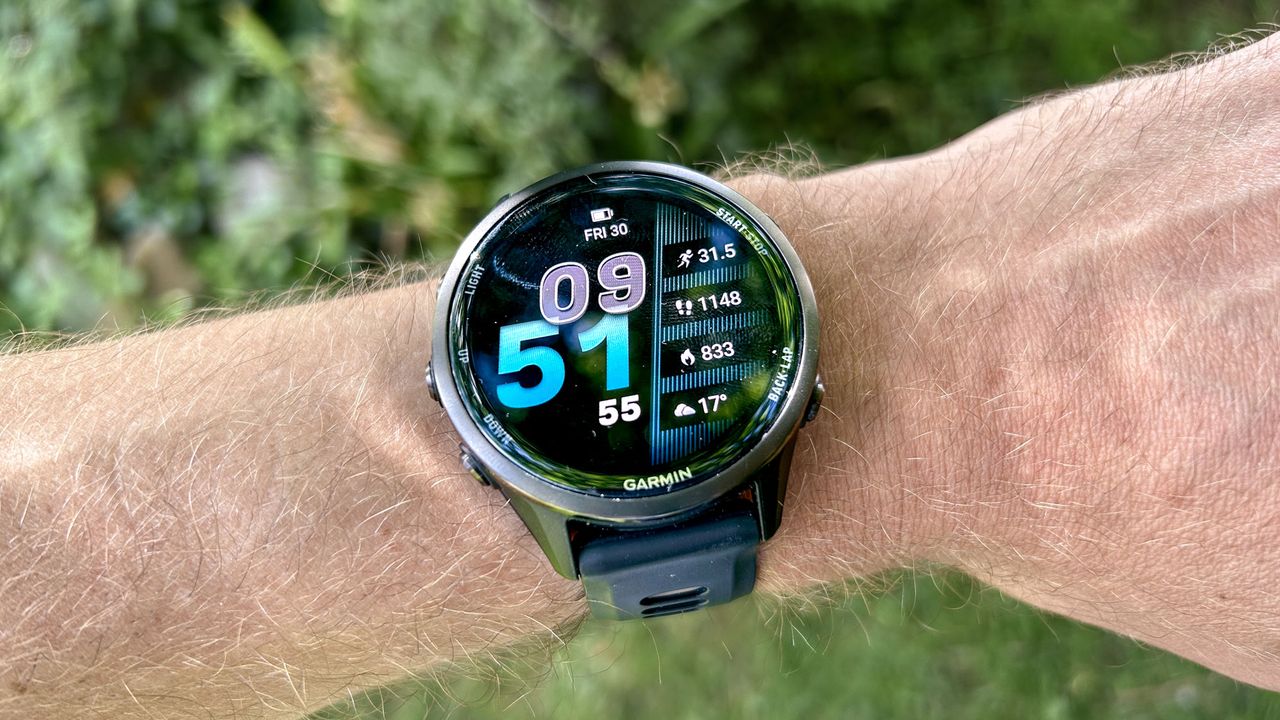
Using a Garmin watch for marathon training provides runners with a wealth of data, but not all statistics are equally beneficial. After over a decade of experience and completing 15 marathons, I am currently training for the London Marathon with the Garmin Forerunner 970. This device offers various metrics that can enhance training effectiveness and reduce injury risk, yet some data can be disregarded.
Key Metrics to Monitor
In order to maximize the utility of a Garmin watch, accurate data input is essential. For my training, an external heart rate monitor, such as a chest strap, is a critical tool. Although the Forerunner 970 has reliable optical sensors, I prefer the precision of a chest strap for monitoring heart rate, particularly when using the watch’s data for training decisions.
The five key statistics that I regularly track during my marathon regimen include:
1. Training Load
Training load is pivotal in understanding how much running is appropriate for improving fitness without risking injury. It evaluates the acute training load, or the amount of running performed in the past week, against the chronic training load, which encompasses a longer timeframe. My current training load ratio stands at 1.1, indicating that my recent training is slightly more intense than my historical load, suggesting a sustainable approach to building fitness.
2. Running Tolerance
This statistic, available on higher-end models like the Forerunner 970, provides insights into the distance run over the past week while factoring in intensity. For instance, I logged 74.8 miles recently, but Garmin estimates that this equates to 91.8 miles when considering the intensity of my runs. My running tolerance is currently rated at 103 miles weekly, which helps gauge the risk of injury.
3. Heart Rate Variability (HRV)
Monitoring heart rate variability each morning allows me to assess recovery. A significant deviation from my normal HRV could indicate potential issues, such as inadequate recovery or signs of illness. Regularly checking HRV during marathon training can offer early warnings, prompting adjustments to my training routine.
4. VO2 Max
The VO2 max metric is a reliable indicator of cardiovascular fitness. While I do not check it daily, I monitor it biweekly to ensure my training is effective. A consistent rise in VO2 max is a positive sign that my marathon training is yielding results.
5. Active Calories
During intensive training, tracking active calories burned helps ensure I am consuming sufficient nutrition. I focus particularly on active calories during long runs and hard workout days, as inadequate fueling can hinder performance and recovery.
Statistics to Disregard
While many statistics can be useful, some are not worth the attention they receive:
1. Predicted Race Times
Garmin watches provide estimated race times for various distances, but I find these predictions unreliable. Currently, the watch suggests a marathon time of 2:34:37, which is approximately nine minutes slower than my personal record. Given my history of surpassing these predictions, I choose to disregard them.
2. Running Economy
This stat, available with specific heart rate monitors, offers insights into running efficiency. However, it does not significantly contribute to my training. Improving running economy is a nuanced process often requiring coaching, and I believe focusing on overall fitness is more beneficial.
3. Sleep Score
While sleep is crucial for recovery, I do not trust the sleep score provided by my Garmin. Over time, I have observed that the watch often overestimates my sleep duration. I rely on my own assessment of rest quality rather than potentially misleading data from my device.
For runners using smartwatches, the choice of which metrics to prioritize can significantly affect training outcomes. What statistics do you find most valuable in your training? Your insights could help fellow runners refine their approach.