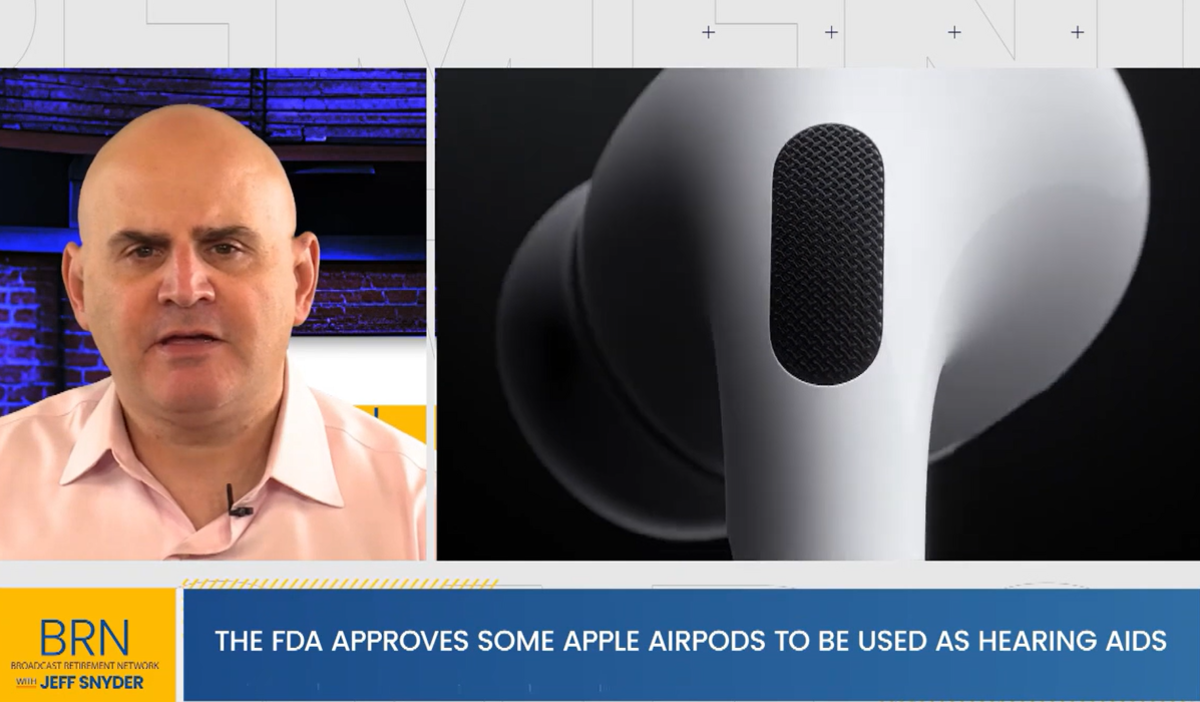
The Food and Drug Administration (FDA) has granted approval for certain models of Apple AirPods to be used as hearing aids, marking a significant shift in how individuals with hearing impairments access audio technology. This decision aims to enhance accessibility and affordability, addressing the fact that only 1 in 6 Americans with hearing loss currently use traditional hearing aids, primarily due to their high costs and associated stigma.
The announcement comes alongside Apple’s plans to update the AirPods’ software, allowing these popular devices to function similarly to hearing aids. During a discussion on the Broadcast Retirement Network, audiologist Julie Norin from Towson University expressed her enthusiasm about the potential for increased awareness surrounding hearing loss and treatment options.
Transforming Access to Hearing Solutions
Norin highlighted the importance of the software enhancement rather than a new hardware release, clarifying that existing AirPods will not be replaced but rather updated. This adjustment aims to facilitate conversations about hearing loss and the need for effective treatment. “I think anything that can generate a deeper conversation about hearing loss and about the need for treatment through technology is great,” Norin stated.
Despite the enthusiasm, experts caution that these AirPods should not be seen as a substitute for traditional prescription hearing aids. Norin noted that over-the-counter devices, including the AirPods, differ significantly from prescription options, which provide comprehensive evaluations and professional support.
Research from institutions like Johns Hopkins University indicates that untreated hearing loss can lead to further health issues, including depression and cognitive decline. “There are a lot of negative things that can come with having a hearing loss that goes untreated,” Norin explained, emphasizing the broader implications of hearing health.
Understanding the Differences in Hearing Devices
The FDA’s approval of AirPods as hearing aids aligns with a growing trend toward making hearing solutions more accessible. Norin categorized these devices as part of the over-the-counter (OTC) range, which allows users to self-manage their hearing needs without professional guidance. However, she pointed out that while OTC devices can provide a cost-effective solution, they often lack the comprehensive support that comes with prescription devices, which can cost around $3,000 per pair.
Norin stressed the importance of consulting a hearing professional before opting for OTC devices. “If hearing loss can be solved with just a device, we wouldn’t be here,” she noted. Comprehensive evaluations by trained audiologists are crucial in identifying the root causes of hearing loss, ensuring that individuals receive appropriate treatment.
The market for hearing devices is evolving rapidly, and while the FDA’s ruling allows for greater flexibility, the long-term effects of this shift remain to be seen. As Norin pointed out, there is currently no regulatory body to monitor the success of OTC hearing aids, making ongoing research essential to understanding their efficacy compared to traditional options.
As Apple prepares to roll out the software update for AirPods in October 2023, the conversation around hearing health continues to grow, potentially leading to greater acceptance and utilization of hearing solutions. The implications of this development could pave the way for a future where hearing aids are no longer stigmatized, encouraging those with hearing impairments to seek the help they need.