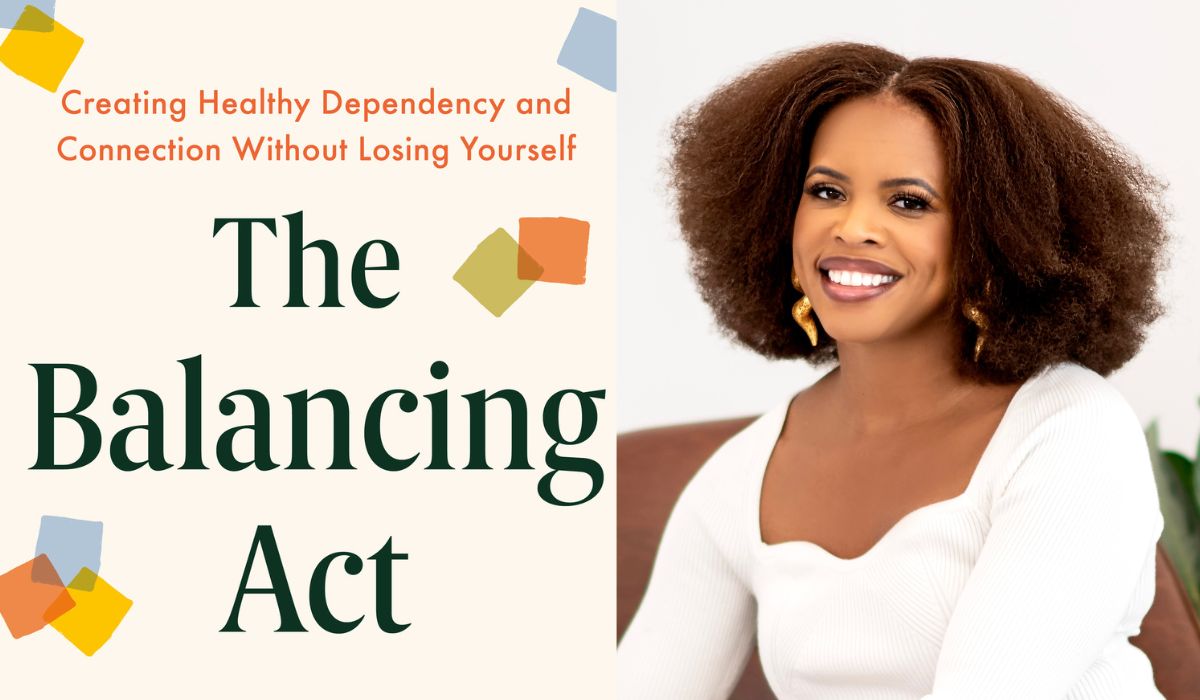
Nedra Glover Tawwab, a noted therapist and social media influencer, has launched her latest book, The Balancing Act: Creating Healthy Dependency and Connection Without Losing Yourself, which explores the intricate dynamics of interdependence in relationships. Scheduled for release on February 10, 2026, this work serves as a follow-up to her bestselling titles, Set Boundaries, Find Peace and Drama Free.
In Set Boundaries, Find Peace, published in 2021, Tawwab helped readers identify their limits and empowered them to assertively say “No.” Two years later, Drama Free shifted her focus to unhealthy family dynamics, further solidifying her role as a prominent voice in mental health advocacy. Now, with The Balancing Act, she aims to guide readers toward understanding the importance of healthy dependencies while maintaining personal autonomy.
Tawwab’s new book addresses common misconceptions about independence, illustrating how excessive self-reliance can lead to unnecessary hardships. Through a blend of compassionate insights and personal narratives, she encourages readers to embrace vulnerability and recognize the value of leaning on others. This approach is particularly significant for those who have recently begun to establish boundaries, as it prompts them to reassess their perspectives on seeking support.
The concept of “healthy dependency” may initially raise concerns among readers accustomed to the idea of complete independence. Tawwab reassures her audience that relying on others is not a weakness but rather an essential aspect of human connection. She poses critical questions that readers must consider: Is the person you are reaching out to genuinely available? How will you manage if they cannot assist you? Will they value the opportunity to support you during a challenging time?
The Balancing Act delves into prevalent themes in contemporary therapy, including attachment theory and codependency. Tawwab presents these topics in a relatable manner, ensuring that even those familiar with concepts like enmeshment—relationships characterized by excessive emotional connection—can find fresh perspectives in her writing. She shares relatable stories that depict these patterns and offers practical solutions for addressing them.
One particularly impactful chapter, “The Hyper-Independent Person and Relationships,” invites readers to confront their discomfort with accepting help. Tawwab reflects on her own journey of learning to say no, illustrating that the path towards self-acceptance is often intertwined with the willingness to rely on others. She emphasizes that self-love does not shield individuals from relational challenges, but rather, it fosters mutual support and compromise.
In her concluding thoughts, Tawwab provides readers with actionable advice on how to effectively ask for help. She stresses the importance of clear communication when making requests and encourages individuals to consider the suitability of their chosen support person based on their skills and willingness to assist.
As Tawwab prepares to embark on the next chapter of her career, she continues to make significant contributions to the discourse on mental health. For those navigating the complexities of their relationships, The Balancing Act offers valuable insights into fostering connections without sacrificing one’s sense of self. Through her compassionate and straightforward approach, Tawwab reminds us of the power of community and the strength found in healthy interdependence.
Readers can look forward to a transformative exploration of these themes when The Balancing Act hits the shelves this February.