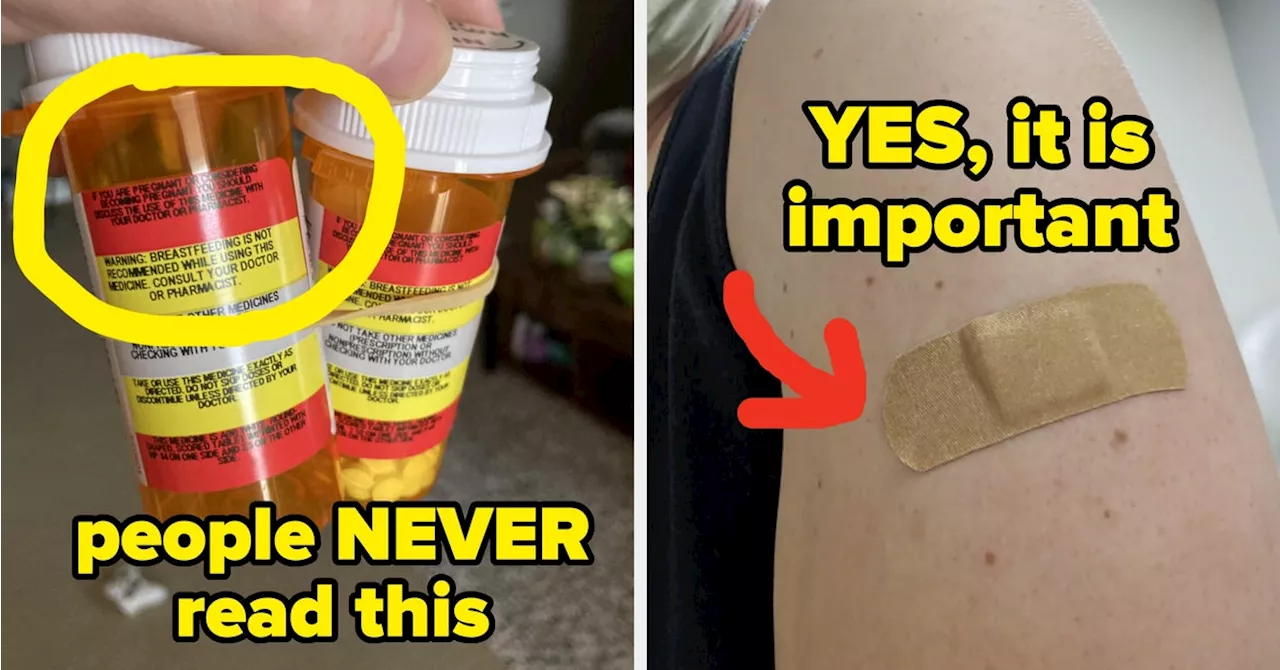
Health professionals are increasingly vocal about everyday habits that could seriously jeopardize well-being. In a recent discussion, 17 medical professionals, including doctors and nurses, shared their insights on common behaviors that are detrimental to health. Their recommendations urge individuals to modify their routines to avoid long-term consequences.
One of the most critical pieces of advice centers around the use of antibiotics. Medical experts stress the importance of following prescribed instructions carefully. For instance, individuals should not stockpile antibiotics for later use. Doing so can contribute to antibiotic resistance, making infections harder to treat in the future.
Equally pressing is the need for timely medical intervention. A surgical physician associate highlighted the dangers of delaying medical attention for abdominal pain. Conditions like gallbladder infections can escalate quickly, making treatment significantly more complicated and increasing the risk of complications during surgery. “Don’t let your abdominal pain go on for a week before you seek medical attention,” they emphasized, noting that early intervention can lead to much simpler procedures.
Health professionals also pointed out the perils of neglecting joint care during exercise. Many individuals push through discomfort, ignoring the signals their bodies send. “Pushing through pain is not okay,” warned one expert, stressing the necessity of proper form and the importance of warm-up and cool-down exercises. These practices are essential to prevent injuries and ensure long-term joint health.
Processed foods emerged as another major concern. Medical practitioners warned that these foods often contain hidden sugars and unhealthy ingredients, bypassing the body’s natural digestive processes. This can lead to various health issues over time, including obesity and chronic diseases.
Preventive care was a recurring theme in the discussion. An internal medicine physician assistant remarked on the negligence of not undertaking age-appropriate cancer screenings. Regular screenings such as pap smears, mammograms, and colonoscopies can detect cancers early, significantly increasing the chances of successful treatment. “Early discovery can save your life,” they noted.
Oral hygiene was also highlighted as a significant health factor. Merely brushing teeth does not suffice; flossing is equally crucial to remove food particles trapped between teeth that can lead to decay if left unchecked. The importance of follow-up appointments was echoed by an emergency room physician, who stated that many patients fail to return for necessary consultations, leading to the deterioration of their health conditions.
Hand hygiene was another critical area of focus. Medical professionals urged the public to wash their hands regularly, especially after activities such as handling food, using the restroom, or caring for pets. “There is a reason why certain diseases are extinguished,” one healthcare worker explained, emphasizing that proper hygiene practices contribute to improved community health outcomes.
The dangers of smoking were underscored, particularly regarding its direct link to lung cancer. One first responder urged smokers to consider the potential consequences seriously, as the risk of developing severe health issues from smoking is well-documented.
In high-risk activities, safety gear is paramount. A first responder shared a poignant reminder of the importance of wearing helmets while riding motorcycles. They recounted harrowing incidents where helmets saved lives, urging individuals to prioritize safety. “You only get one skull, one brain, and one life,” they stressed.
For individuals diagnosed with chronic conditions such as diabetes or heart failure, following medical advice is crucial. Health professionals emphasized the importance of adhering to treatment plans and understanding one’s health conditions. “If you don’t understand, please let us know so we can continue working with you,” a healthcare provider urged, highlighting the collaborative nature of effective healthcare.
In conclusion, health professionals are advocating for a proactive approach to personal health. Simple changes, informed decisions, and adherence to medical advice can lead to improved health outcomes. Individuals are encouraged to educate themselves about their health conditions and make well-informed choices.
By paying attention to these recommendations, individuals can take significant steps toward safeguarding their health and well-being.